
Health
Canadian Woman Pushes for Right to Assisted Death Amid Mental Health Struggles

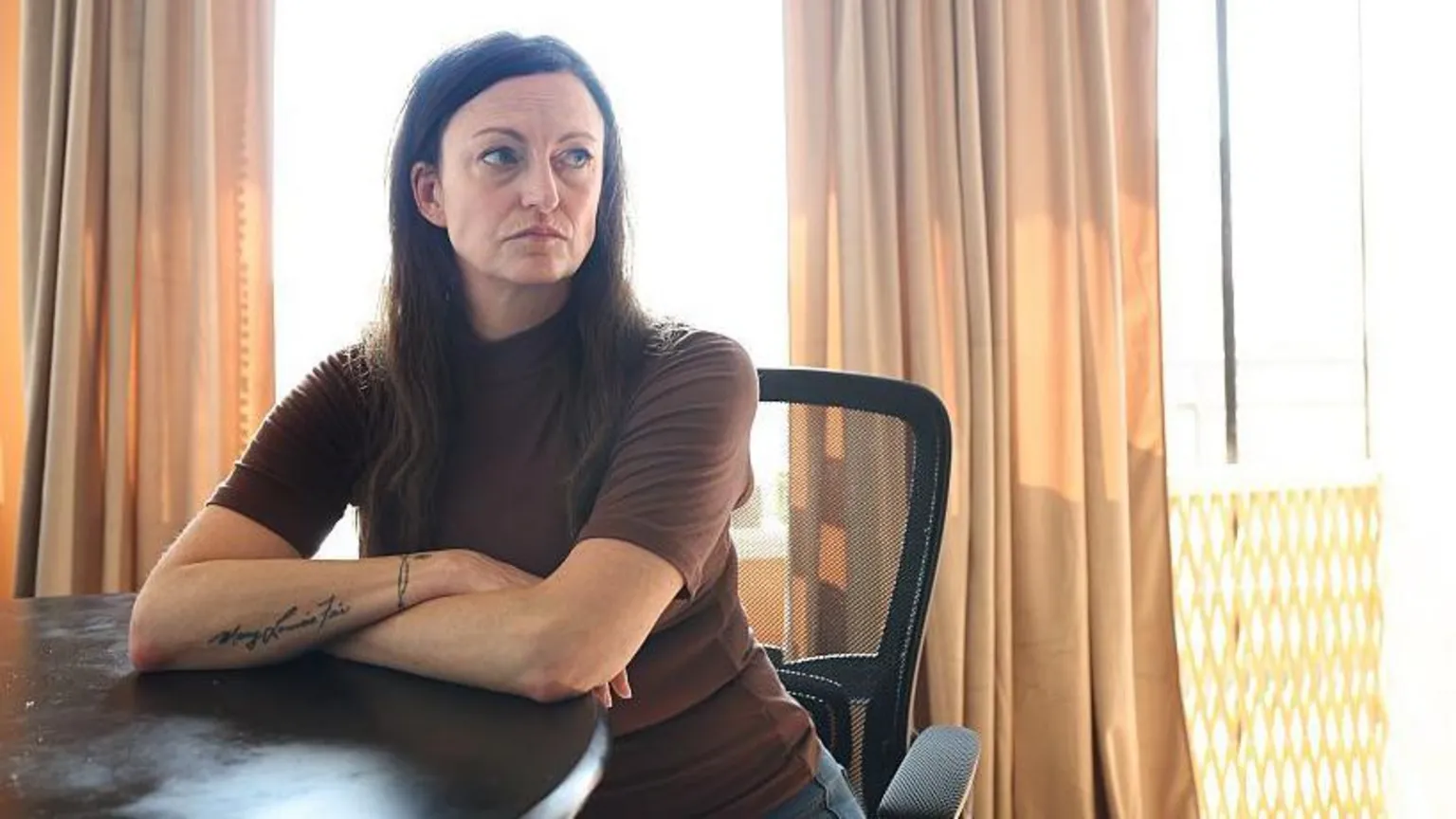
A Canadian woman suffering from severe mental illness has launched a legal challenge seeking access to medically assisted dying, reigniting a nationwide debate over ethics, mental health, and end-of-life rights in Canada.
Claire Brosseau, who has reportedly battled treatment-resistant mental illness for years, says she wants what she describes as a “safe death” through Canada’s Medical Assistance in Dying (MAID) system. Her case comes as Canada continues to delay the expansion of assisted dying eligibility for people whose sole underlying condition is mental illness.
Canada is among a small number of countries where assisted dying is legal. Under current law, MAID is available to eligible adults suffering from grievous and irremediable medical conditions, but access for individuals whose only condition is mental illness has been postponed until March 2027 following political and medical concerns.
Brosseau argues that the exclusion discriminates against people with psychiatric illnesses and prolongs unbearable suffering. According to advocacy group Dying With Dignity Canada, she has already reportedly met several eligibility requirements and is now asking the courts for an exemption to access MAID earlier than the planned 2027 expansion.
Supporters of expanding MAID laws say mentally competent adults experiencing severe and untreatable psychological suffering should have the same rights as patients with physical illnesses. They argue that denying access unfairly stigmatizes mental illness and violates equality protections under Canada’s Charter of Rights and Freedoms.
However, critics, including some psychiatrists, disability advocates, and religious groups, warn that allowing assisted dying for mental illness raises difficult ethical questions. Opponents fear vulnerable individuals could choose death during periods of despair when additional treatment or social support might still help improve their condition.
The Canadian government has twice delayed the implementation of MAID for mental illness, citing concerns from medical professionals and provinces about whether the healthcare system is fully prepared with proper safeguards. Federal authorities say more work is needed to ensure assessments are safe, consistent, and capable of distinguishing between suicidal crisis and enduring, irremediable suffering.
The case is expected to intensify public discussion in Canada over the future of assisted dying laws, mental healthcare access, and how governments balance personal autonomy with protecting vulnerable citizens.