
Health
Australia Moves to Become First Country to Eliminate Cervical

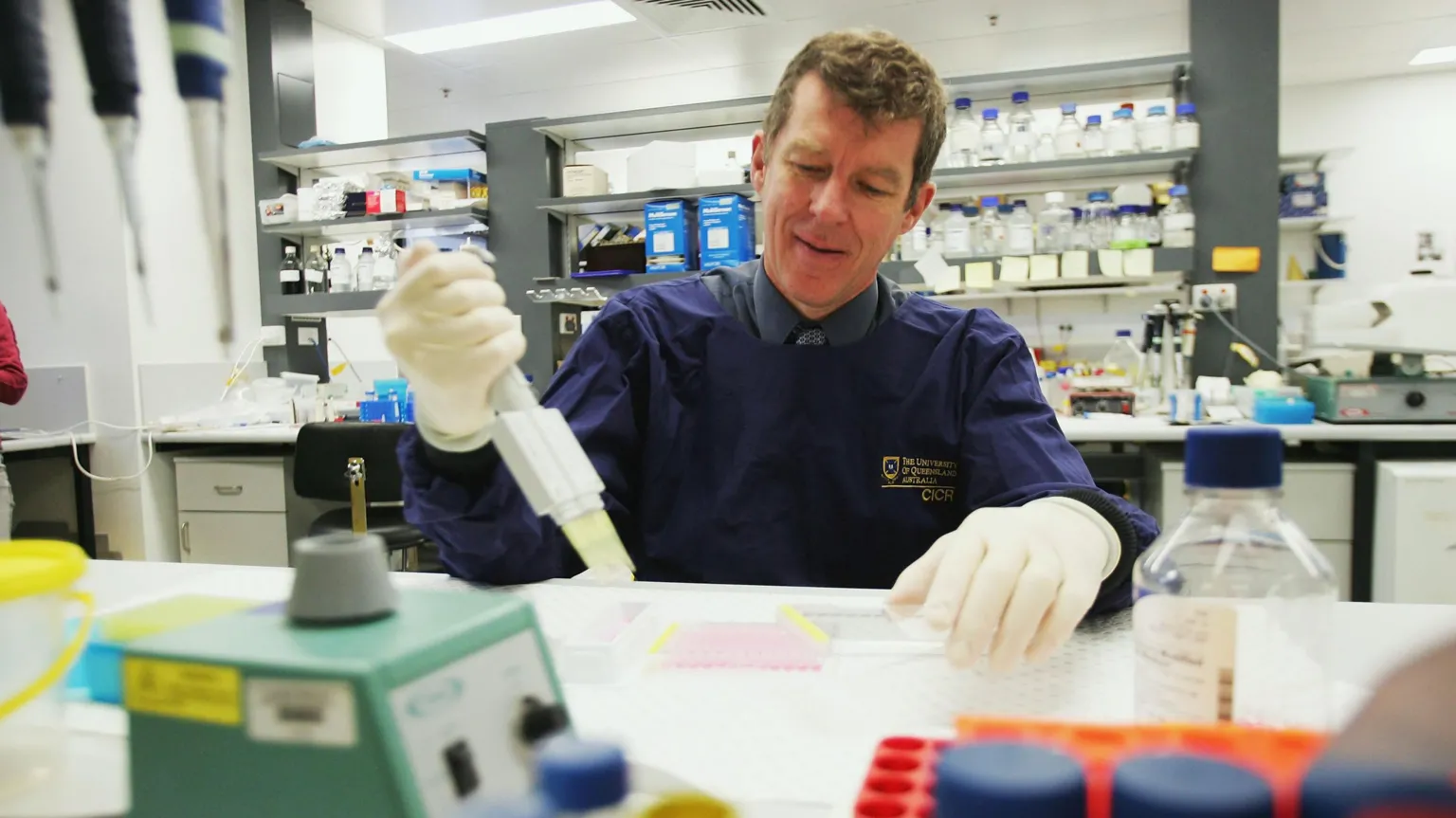
Australia is on track to become the first country in the world to eliminate a form of cancer; cervical cancer, thanks to decades of aggressive vaccination, screening, and early treatment programs.
Health experts say the country could achieve this milestone by 2035, a target backed by government strategy and global health bodies.

Cervical cancer is largely caused by the human papillomavirus (HPV), a common infection that can now be prevented through vaccination. Australia was among the first nations to introduce a nationwide HPV vaccination programme in 2007, later expanding it to include both girls and boys.
In addition to vaccination, the country has transitioned to advanced HPV-based screening, allowing earlier detection and treatment of pre-cancerous conditions. These combined efforts have already led to a dramatic decline in infection rates and cervical cancer cases.

Under global standards set by the World Health Organization (WHO), elimination does not mean zero cases, but reducing incidence to fewer than 4 cases per 100,000 women. Experts say Australia is on track to reach, and possibly surpass this benchmark within the next decade.
However, challenges remain. Health authorities warn that declining vaccination and screening rates in some communities could slow progress. There are also disparities in access, particularly among Indigenous populations and underserved groups, which could delay nationwide elimination if not addressed.
Researchers emphasize that sustained public health efforts; especially improving access to screening and boosting vaccine uptake will be critical to ensuring that elimination is both achieved and equitable.
If successful, Australia’s model could serve as a blueprint for other countries seeking to eliminate cervical cancer as a public health threat.