
International
Palestinian Authority Promises Reforms as Public Confidence Declines

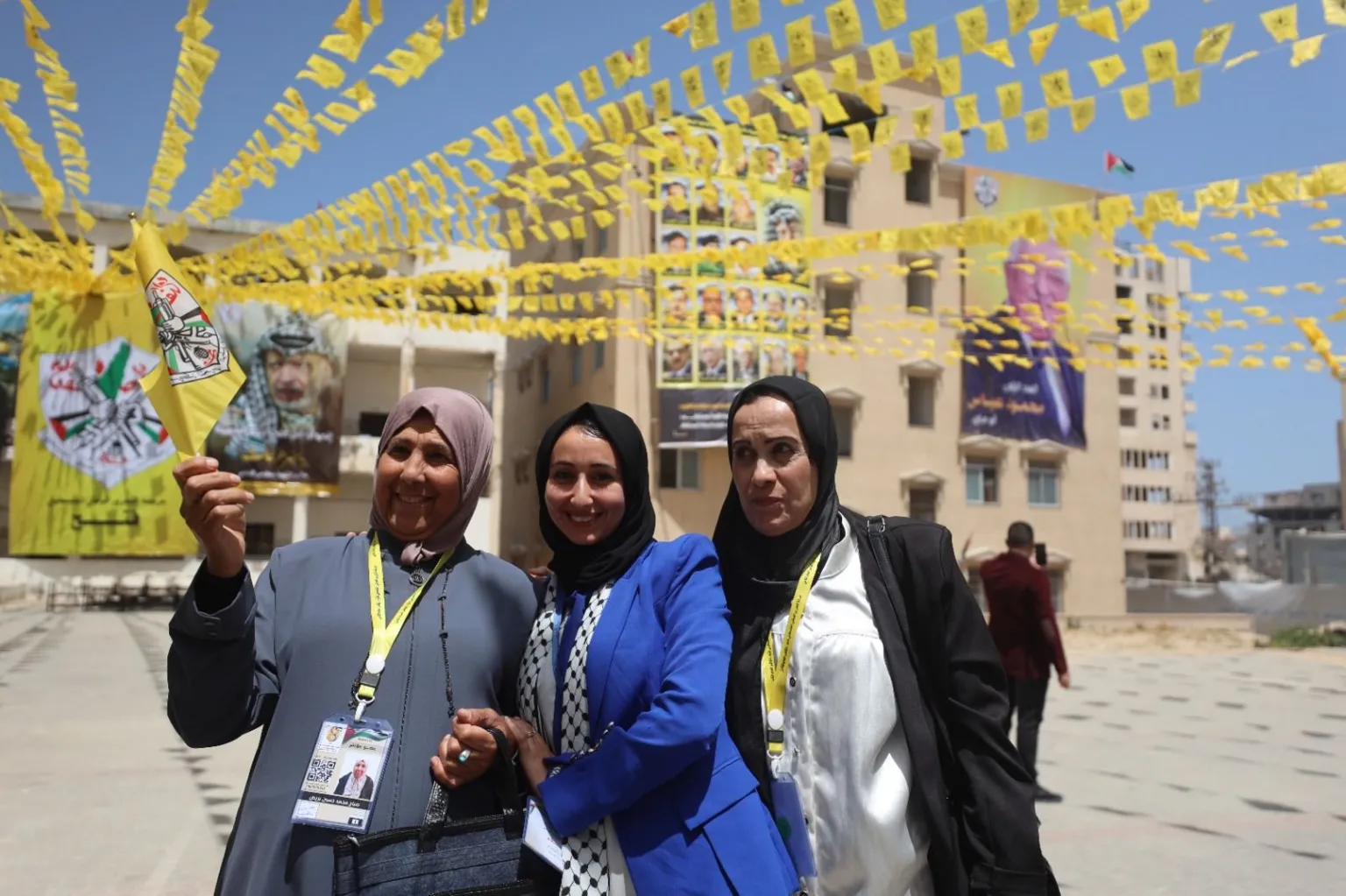
Palestinian leaders gathered in the occupied West Bank this week for a rare high-level conference of the Fatah movement, as growing public frustration and political uncertainty continue to challenge the Palestinian leadership. The meeting, the first of its kind in nearly a decade, comes amid mounting criticism of the Palestinian Authority and widespread dissatisfaction over governance, corruption allegations, and the prolonged delay of elections.
The three-day Fatah conference, held in Ramallah, brought together more than 2,500 party members to elect a new central committee and revolutionary council. The gathering is viewed as one of the most significant political meetings for the Palestinian faction in years, especially as questions grow over succession and the future leadership of the Palestinian national movement.
Palestinian President Mahmoud Abbas, 90, was unanimously re-elected as leader of Fatah during the conference. In his address, Abbas pledged reforms within the Palestinian Authority and renewed promises to hold long-delayed presidential and parliamentary elections, though he did not provide a timeline.
The Fatah movement has faced increasing pressure from Palestinians, regional powers, and Western governments to modernize its leadership and restore democratic processes. Critics argue that the Palestinian Authority has become disconnected from ordinary citizens, especially younger Palestinians frustrated by economic hardship, stalled peace efforts, and the ongoing humanitarian crisis linked to the war in Gaza.
Political analysts say the conference is also crucial because it may shape the post-Abbas era within Palestinian politics. Several senior Fatah figures, including Jibril Rajoub and Hussein al-Sheikh, are seen as potential successors in a leadership transition that many observers believe is inevitable.
Fatah officials described the meeting as essential for preserving Palestinian unity and strengthening the Palestine Liberation Organization (PLO) during what they called one of the most difficult periods in the Palestinian struggle. However, many Palestinians remain skeptical that the conference will bring meaningful political change or improve daily life.