
International
Alleged Murder of Aboriginal Girl Exposes Deepening Inequality in Australia

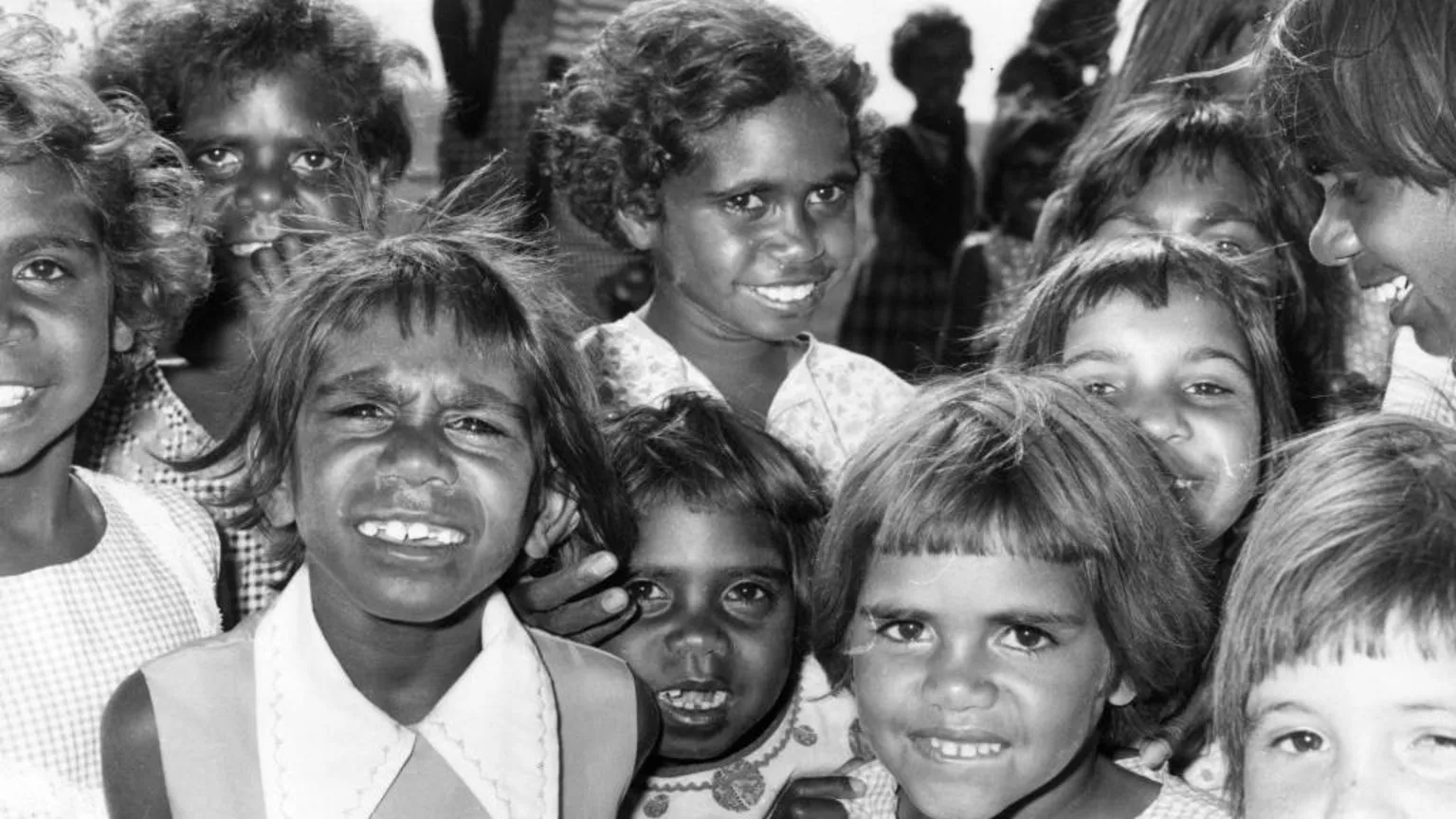
The alleged killing of a five-year-old Aboriginal girl in Australia’s Northern Territory has triggered national mourning, renewed protests, and intensified debate over long-standing inequalities affecting Indigenous communities.
Police identified the victim as Kumanjayi Little Baby, a Warlpiri child whose disappearance ended in tragedy after a multi-day search in Alice Springs. Authorities later charged a 47-year-old man, Jefferson Lewis, with murder and related offences.
The case has drawn widespread public attention, not only for its brutality but for what many Indigenous leaders describe as a deeper, systemic failure to protect Aboriginal children.
Community advocates and experts say the incident highlights persistent gaps in Australia’s child protection system, especially in remote and Indigenous communities where poverty, overcrowded housing, and limited access to services remain widespread.
Following the child’s death, Indigenous affairs leaders and legal experts have renewed criticism of what they describe as “bureaucratic neglect” and under-resourcing in frontline child welfare systems. Some argue that political debates often focus on cultural frameworks rather than addressing structural failures such as inadequate staffing, weak intervention systems, and lack of early support services.
The tragedy has also revived broader national discussions about the “Closing the Gap” targets, a long-running policy effort aimed at reducing inequalities between Indigenous and non-Indigenous Australians, particularly in health, education, and child welfare.
In response to the public outcry, the Australian government has announced a new funding package aimed at addressing domestic and family violence in Indigenous communities, including support for Aboriginal-controlled organisations delivering culturally sensitive services.
However, critics argue that while funding initiatives are welcome, they often fail to address deeper structural issues such as intergenerational trauma, systemic racism, and the shortage of sustained, community-led interventions.
The victim’s family has also urged politicians not to politicise the tragedy, calling for privacy and respect as they mourn their loss.
The case has become part of a broader conversation about violence against Indigenous women and children in Australia, where Aboriginal people are disproportionately affected by poverty, incarceration, and preventable deaths.
Advocates say these disparities are not isolated incidents but reflect historical and ongoing inequality rooted in colonisation, exclusion from services, and unequal access to justice.