
International
Swiss Intelligence to Release Long-Sealed Files on Nazi ‘Angel of Death’

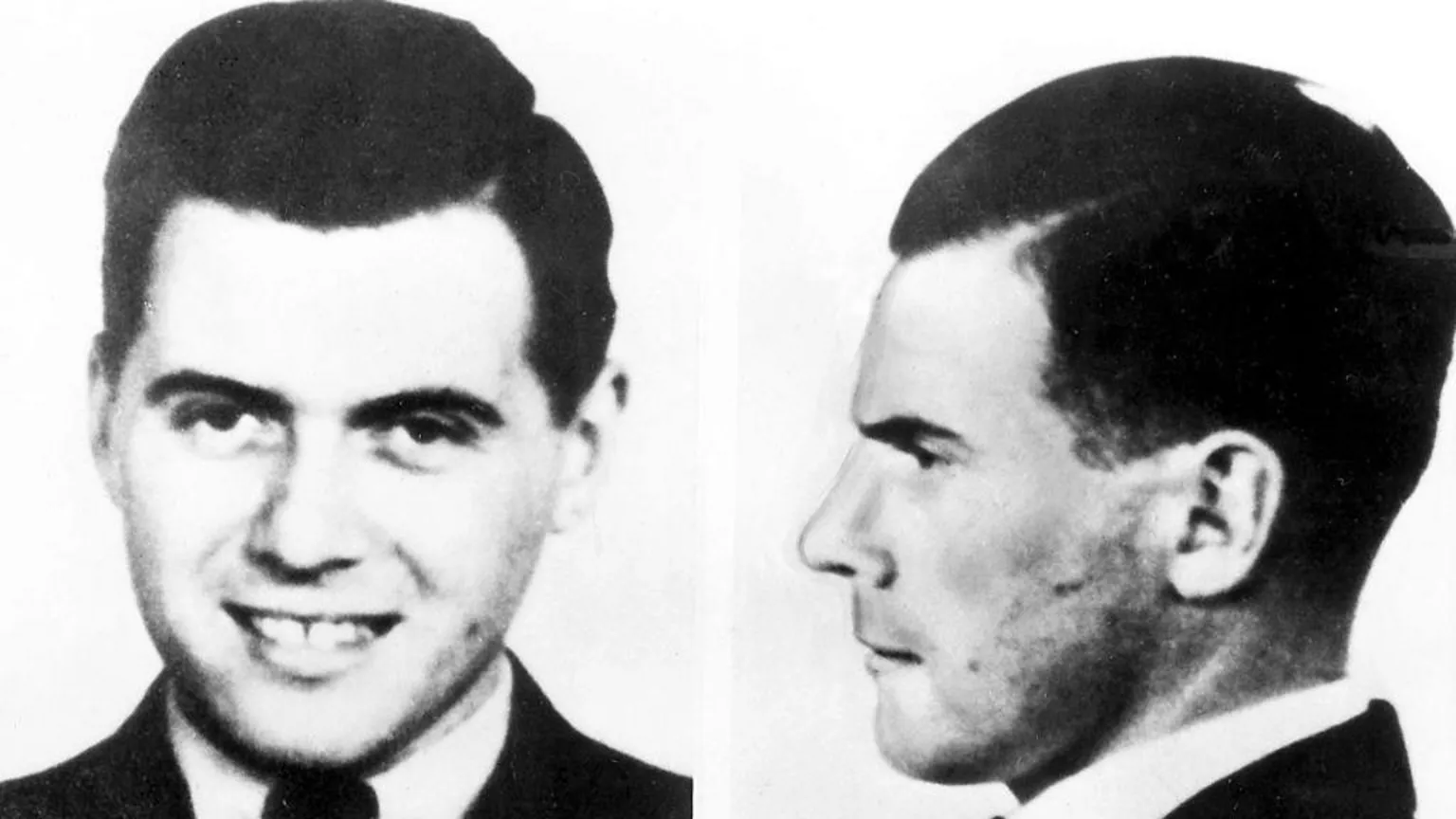
Swiss authorities have agreed to open long-sealed intelligence files connected to Nazi war criminal Josef Mengele, the Auschwitz doctor infamously known as the “Angel of Death,” in a move historians say could reveal new details about his movements after World War II.
Switzerland’s Federal Intelligence Service (FIS) announced it would allow access to the classified documents after years of rejecting requests from researchers and historians. The decision reportedly followed legal pressure and appeals challenging the decades-long secrecy surrounding the files.
Mengele, a senior SS physician at the Nazi concentration camp Auschwitz-Birkenau in occupied Poland, became notorious for selecting prisoners for execution in gas chambers and carrying out brutal medical experiments, particularly on children and twins. Historians estimate that hundreds of thousands of victims passed through selections overseen by him during the Holocaust.
After the collapse of Nazi Germany, Mengele escaped Europe using false identity papers reportedly obtained through Red Cross channels in Italy before fleeing to South America, where he lived for decades under assumed identities. He died in Brazil in 1979 without ever standing trial for war crimes.
Researchers have long suspected that Mengele may have secretly returned to Switzerland even after international arrest warrants were issued against him in 1959. Historical evidence cited by investigators suggests his wife rented an apartment in Zurich around that period, while Austrian intelligence reportedly warned Swiss authorities that he could be traveling under a false name.
Swiss historian Gérard Wettstein, who campaigned for the files to be opened, argued that keeping the documents sealed until 2071 only fueled speculation and conspiracy theories. He has expressed concern, however, that portions of the records could still be heavily redacted when finally released.
The Swiss Federal Intelligence Service has not yet provided an exact date for when public access will begin, stating that conditions for viewing the files are still being finalized.
The decision is expected to renew scrutiny over Switzerland’s historical role during and after World War II, particularly regarding how Nazi fugitives may have used the country or its institutions while evading capture.