
General News
Gowon Reveals Northern Officers Suspected Ojukwu Over 1966 Coup in New Memoir

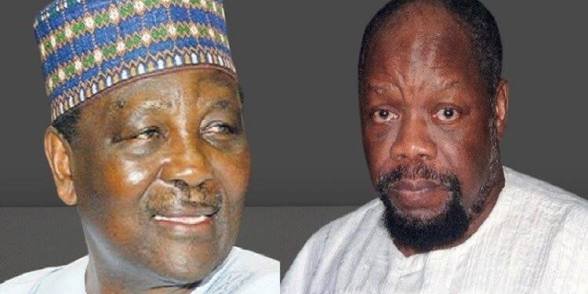
Former Nigerian Head of State, Yakubu Gowon, has revealed that northern military officers believed late Biafran leader, Chukwuemeka Odumegwu Ojukwu, had prior knowledge of the January 1966 military coup that plunged Nigeria into political turmoil.
Gowon made the revelation in his newly released memoir titled My Life of Duty and Allegiance, which is scheduled for public presentation in Abuja.
According to the former military ruler, many northern officers wanted to move against Ojukwu following the coup, during which several prominent northern political and military leaders were assassinated.
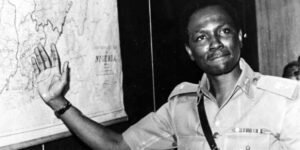
Among those killed in the January 1966 coup were Nigeria’s then Prime Minister, Abubakar Tafawa Balewa, Northern Premier Ahmadu Bello, Western Region Premier Samuel Ladoke Akintola, and Finance Minister Festus Okotie-Eboh.
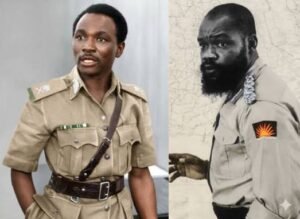
Senior northern military officers, including Brigadier Zakariya Maimalari, were also killed during the failed coup led mainly by young officers of Igbo origin.
The coup eventually led to the emergence of Johnson Aguiyi-Ironsi as Head of State before he was overthrown and killed during the July 1966 counter-coup.
Gowon, who emerged as Head of State after the counter-coup, said Ojukwu rejected his leadership because he believed military seniority should have determined Ironsi’s successor.
“Ojukwu refused my offer of friendship. By extension, he wilfully refused to recognise my leadership,” Gowon wrote in the memoir.
He stated that many northern officers suspected Ojukwu of being complicit in the January 1966 coup and were prepared to take action against him, but he intervened to prevent any retaliation.
“He failed to appreciate that he had been under serious threat because the young Northern officers believed he was complicit in the January 15, 1966 coup. I pre-empted any attempt to move against him,” Gowon stated.
Despite the tension, Gowon said he retained Ojukwu as Military Governor of the Eastern Region because he believed they could work together to stabilise the country and rebuild the Nigerian Army.
However, relations between both leaders later deteriorated, culminating in Ojukwu’s declaration of the secession of Biafra in May 1967, which triggered the Nigerian Civil War that lasted for 30 months.