General News
Nigeria’s Jimoh Ibrahim Elected Chair of Key UN Budget Committee Amid $1.8bn Funding Crisis

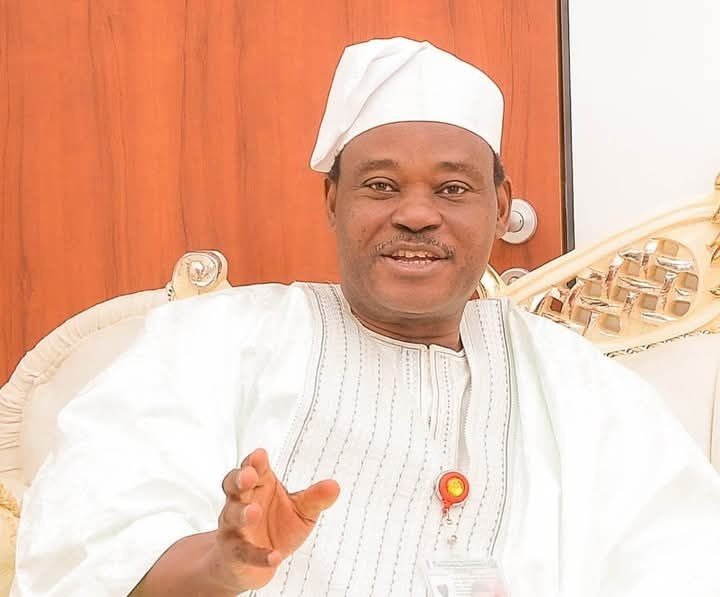
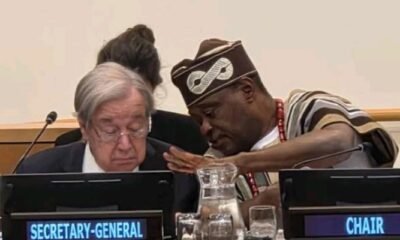
Nigeria has secured a significant leadership position at the United Nations following the election of Ambassador as Chairman of the Budget and Administration Committee of the United Nations General Assembly (UNGA) Fifth Committee.
Ibrahim’s election comes at a critical period for the United Nations as the global body grapples with a budget shortfall estimated at more than $1.8 billion, largely attributed to reductions in foreign aid contributions and increasing financial pressures facing member states.
The Fifth Committee is one of the most influential committees of the UN General Assembly, responsible for overseeing administrative and budgetary matters, including the allocation of resources and management of the organisation’s finances.
Speaking after his election on Tuesday, Ibrahim acknowledged the challenges confronting the United Nations and called for innovative strategies to address the institution’s financial constraints.
“This period requires the United Nations to manage deficit financing arising from converging complexities that place significant burdens on revenue,” he said in his acceptance speech.
According to the Nigerian diplomat, growing geopolitical tensions and global economic uncertainties require urgent and creative approaches to ensure the sustainability of the organisation’s operations.
“Given heightened tensions, a prompt, critical and innovative strategy is required to create opportunities within this intricate environment,” he added.
Ibrahim said he would leverage his experience as a former member of Nigeria’s Senate Committee on Budget and Appropriation, as well as his role in inter-parliamentary relations, to build consensus among member states and strengthen the committee’s effectiveness.
The diplomat also referenced the economic reform agenda of President , suggesting that lessons from Nigeria’s ongoing fiscal and economic restructuring could provide useful perspectives in addressing some of the United Nations’ administrative and budgetary challenges.
“Mr President, as your student in the reforms class, be assured that those teaching slides will reflect in the budget, appropriations and human resources of the United Nations,” Ibrahim stated.
He expressed appreciation to member states for the confidence reposed in him and pledged to promote accountability, transparency and sound corporate governance in the management of the organisation’s resources.
The appointment is being viewed as another diplomatic milestone for Nigeria at the United Nations, strengthening the country’s voice in global governance and positioning it at the centre of discussions on the future financing and administration of the world’s largest multilateral institution.
Observers note that Ibrahim’s tenure will be closely watched as the United Nations seeks to navigate mounting financial pressures while responding to complex global challenges ranging from humanitarian crises to peacekeeping operations and sustainable development goals.