
War
US and Iran Exchange New Strikes as Both Sides Accuse Each Other of Violating Ceasefire

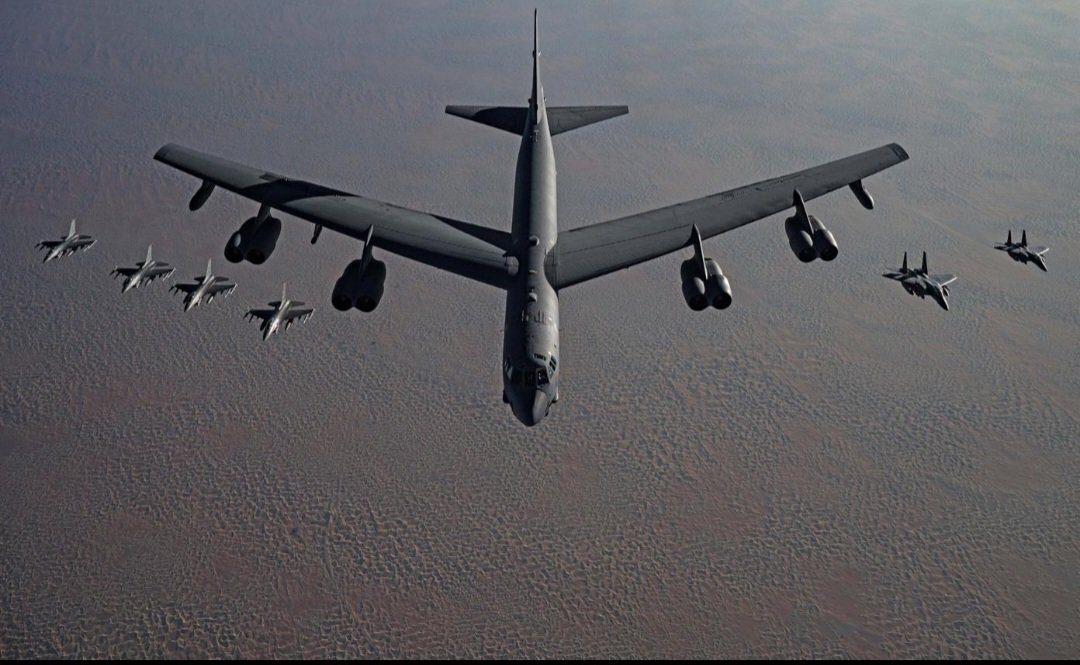
A fragile ceasefire between the United States and Iran is under severe strain after both countries launched fresh military strikes and accused one another of violating a recently negotiated agreement aimed at ending months of hostilities. The renewed violence has raised fears that diplomatic efforts could collapse entirely, potentially plunging the region back into a broader conflict.
The latest escalation began after the United States accused Iran of attacking commercial shipping in the strategically important Strait of Hormuz. According to U.S. Central Command (CENTCOM), Iranian forces were responsible for drone attacks against commercial vessels operating in the waterway, actions Washington described as a clear violation of the ceasefire agreement. In response, American forces launched airstrikes against Iranian military infrastructure, including missile and drone storage facilities, surveillance systems, radar installations, communications networks, and air-defense positions.
Iran rejected the allegations and condemned the American strikes as unlawful aggression. Iranian officials argued that the U.S. attacks themselves constituted a violation of the ceasefire and accused Washington of undermining ongoing diplomatic efforts. Tehran maintained that it was acting in self-defense and warned that any further attacks would be met with stronger retaliation.
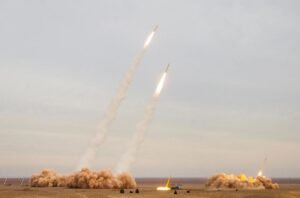
Shortly after the U.S. strikes, Iran’s Islamic Revolutionary Guard Corps (IRGC) launched missiles and drones toward targets linked to American forces in the Gulf region. Authorities in Bahrain and Kuwait reported intercepting incoming projectiles, while both governments condemned the attacks as violations of their sovereignty and threats to regional security. Bahrain, which hosts the U.S. Navy’s Fifth Fleet, described the strikes as a dangerous escalation.
The exchange of attacks threatens a ceasefire brokered less than two weeks ago that was intended to halt fighting, restore commercial shipping through the Strait of Hormuz, and create a pathway for broader negotiations on regional security and Iran’s nuclear program. While preliminary talks had begun, recent military actions have cast serious doubt on the future of the agreement.
President Donald Trump warned that continued Iranian aggression could trigger a much larger American military response. U.S. officials insist their actions are defensive and necessary to protect international shipping and regional allies. Iran, however, argues that Washington has repeatedly violated the spirit and terms of the ceasefire, making further negotiations increasingly difficult.

The confrontation has also reignited concerns about the security of the Strait of Hormuz, one of the world’s most important energy corridors. A significant portion of global oil exports passes through the narrow waterway, and any disruption could have major consequences for international energy markets and global trade.
Regional governments and international mediators are now urging restraint. Diplomats fear that continued retaliation could destroy the remaining foundations of the peace process and draw additional countries into the conflict. Analysts warn that while neither Washington nor Tehran appears eager for full-scale war, the cycle of attack and retaliation is making the situation increasingly difficult to control.
As tensions rise, the future of the ceasefire remains uncertain. With both sides firmly blaming the other for the latest violence, hopes for a lasting diplomatic breakthrough are fading, while concerns grow that the Middle East could once again face a prolonged period of instability and confrontation.