
War
Russian Strike on Ukraine’s Odesa Kills Three as Moscow and Kyiv Intensify Black Sea Battle


At least three people were killed and three others injured after a Russian missile strike hit the southern Ukrainian port city of Odesa on Wednesday, as fighting between Moscow and Kyiv intensified across the Black Sea region. The latest attack came amid an escalating campaign targeting critical shipping routes, port infrastructure and maritime trade that are central to Ukraine’s wartime economy.


According to Ukrainian authorities, the missile struck a seven-storey residential building, causing extensive structural damage and sparking a fire. Emergency responders rescued several residents, including two children, while firefighters extinguished blazes that also spread to a nearby non-residential building and a damaged gas pipeline. Regional Governor Oleh Kiper described the assault as part of a “massive” wave of Russian drone and missile attacks that has continued for five consecutive days.
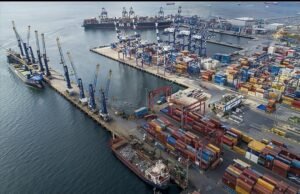
The latest strike is part of Russia’s intensified campaign against Ukraine’s Greater Odesa port complex, which handles much of the country’s grain exports and commercial cargo. In recent days, Russian attacks have damaged port infrastructure, a vegetable oil terminal and a civilian vessel sailing under the Marshall Islands flag, disrupting one of Ukraine’s most important economic lifelines.

At the same time, Ukraine has expanded its own operations in the Black Sea, launching large-scale drone attacks against Russian maritime assets. Ukrainian military officials say dozens of Russian vessels have been targeted in recent days, including oil tankers and other ships operating in the Sea of Azov and the Black Sea. Kyiv says the campaign is aimed at disrupting Russia’s logistics and limiting its ability to export grain and other goods through occupied ports.
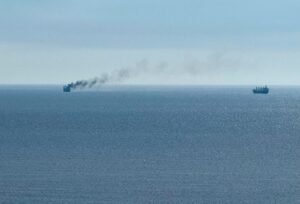
Russia, meanwhile, maintains that its strikes are directed at facilities supporting Ukraine’s military logistics rather than civilians. Moscow has accused Kyiv of carrying out what it calls “terrorist attacks” on commercial shipping and Russian port infrastructure, while acknowledging that the escalating conflict is affecting grain exports and forcing shipping operators to consider alternative routes.
The renewed fighting is taking a growing toll on Ukraine’s economy. According to the Ukrainian Agrarian Council, repeated Russian missile and drone attacks have reduced the country’s Black Sea grain export capacity by roughly one-third, from about 6 million metric tonnes per month to around 4 million tonnes. The disruption has forced major exporters, including Kernel Holding, to suspend operations at some terminals, while traders report rising freight costs and increasing difficulties in securing shipping contracts.

Ukrainian officials have vowed to keep ports operating despite the attacks, stressing that agricultural exports remain the country’s largest source of foreign currency and a vital contributor to global food security. Deputy Economy Minister Taras Vysotskiy said the government is working with industry partners to protect maritime infrastructure and maintain export volumes for the 2026–27 season.

The latest violence underscores how the Black Sea has become one of the war’s most strategically important fronts. Beyond the humanitarian toll, continued attacks on ports, shipping lanes and export infrastructure risk disrupting global grain supplies, increasing transportation costs and placing additional pressure on international food markets. With neither side showing signs of backing down, analysts warn that the maritime conflict is likely to remain a key feature of the war in the months ahead.