
War
Kyiv Hit by One of War’s Deadliest Attacks as Ukraine Intensifies Oil Infrastructure Strikes

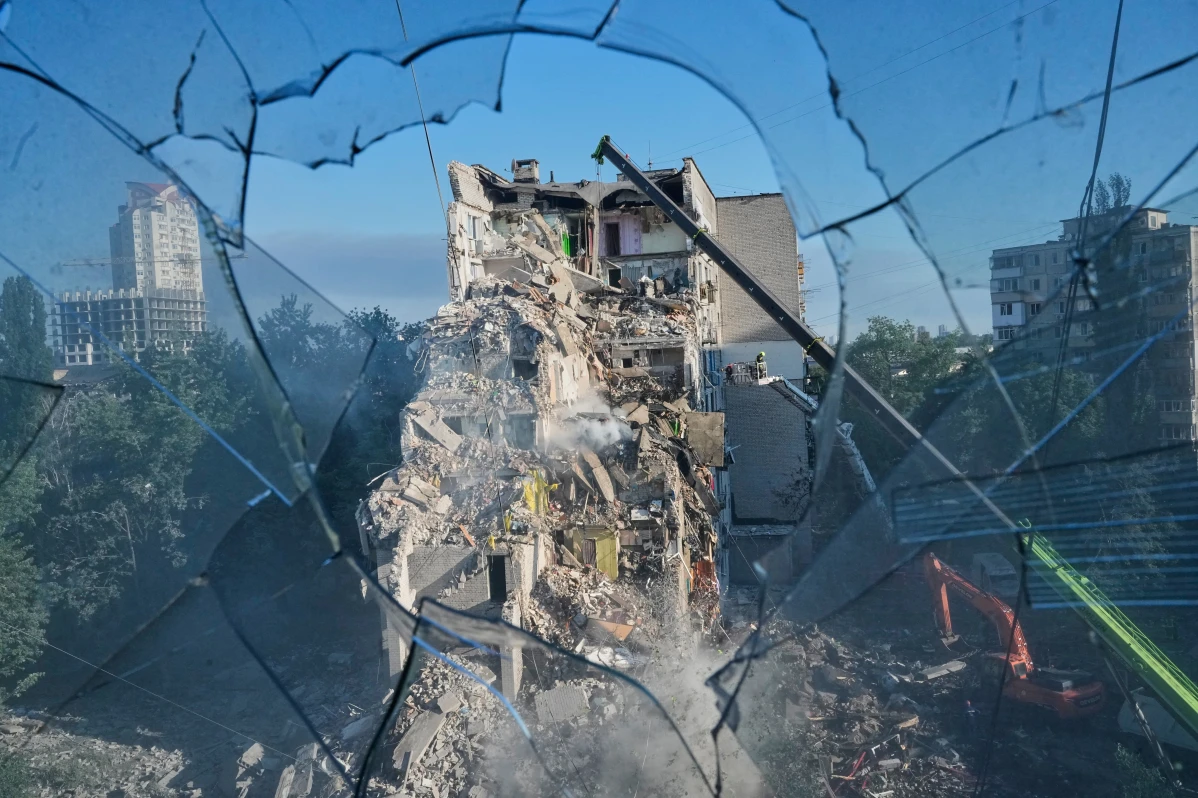
Russia launched one of its largest aerial assaults of the war overnight, killing at least 21 people in Kyiv and injuring dozens more as waves of missiles and drones struck residential neighborhoods across the Ukrainian capital. The attack came as Ukraine intensified long-range drone strikes against Russia’s oil infrastructure, further disrupting Moscow’s fuel supplies and escalating the conflict on both sides.
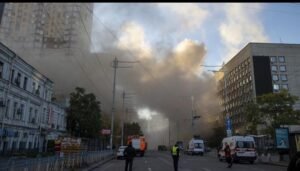
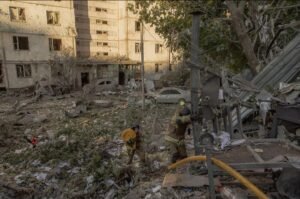
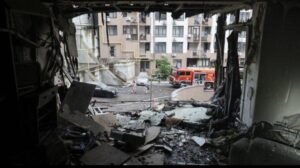
According to Ukrainian officials, Russia fired 74 missiles, including ballistic missiles, and nearly 500 drones in the massive overnight barrage. Air defense systems intercepted many of the incoming weapons, but several missiles penetrated Kyiv’s defenses, striking apartment buildings, hotels, commercial facilities and critical infrastructure. Emergency crews spent hours searching through collapsed buildings and extinguishing fires that broke out across multiple districts of the capital.
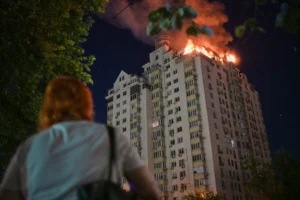
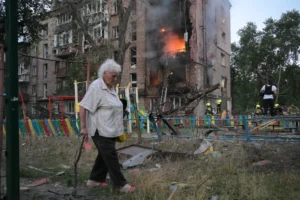
Ukrainian authorities said the assault caused widespread destruction, damaging more than 100 buildings, including numerous residential complexes. Rescue workers used heavy machinery and trained dogs to search for survivors trapped beneath rubble, while hospitals treated scores of wounded civilians. City officials declared a day of mourning as families gathered at damaged neighborhoods awaiting news of missing relatives.
President Volodymyr Zelenskyy condemned the attack, describing it as one of the most destructive strikes on Kyiv this year. He renewed appeals for Western allies to accelerate deliveries of advanced air defense systems, particularly Patriot missile batteries, arguing that additional defensive capabilities could save civilian lives. Ukrainian officials stressed that ballistic missiles remain especially difficult to intercept despite improvements in the country’s air defenses.
Russia’s Ministry of Defence acknowledged carrying out the strikes, saying they targeted military facilities, drone production plants, airfields and energy infrastructure. The Kremlin described the operation as retaliation for recent Ukrainian attacks on Russian territory and insisted that only military-related targets were intended. Ukrainian officials rejected that claim, pointing to the heavy civilian casualties and extensive damage to homes and public buildings.
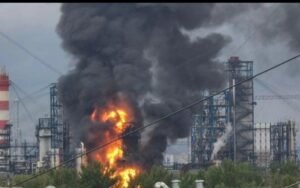
At the same time, Ukraine continued its campaign against Russia’s energy sector. Ukrainian drones reportedly struck additional oil facilities and transport infrastructure inside Russia, adding to a growing fuel shortage that has affected several Russian regions. Long queues have formed at filling stations, fuel prices have risen sharply, and authorities have introduced emergency measures to stabilize supplies. Analysts say Ukraine’s strategy aims to weaken Russia’s military logistics by targeting refineries, fuel depots and transportation networks.
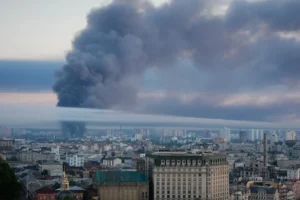
The intensifying exchange of long-range attacks reflects a new phase of the war, with both sides increasingly striking targets far from the front lines. While Russia continues large-scale missile and drone attacks against Ukrainian cities, Ukraine has expanded its use of domestically produced drones capable of reaching deep inside Russian territory and hitting strategic economic assets.
The latest escalation has prompted renewed international concern. Several neighboring NATO countries monitored the attacks closely, with Poland placing aircraft on alert during the overnight bombardment. European leaders also renewed calls for stronger sanctions on Russia and increased military assistance to Ukraine, warning that continued attacks on civilians threaten regional security.
Despite ongoing diplomatic efforts, prospects for a negotiated settlement remain remote. Both Kyiv and Moscow have hardened their positions as the conflict enters its fifth year, with each side intensifying military operations while accusing the other of undermining peace initiatives. The deadly assault on Kyiv and Ukraine’s continued strikes against Russia’s oil sector underscore the escalating nature of a war that continues to exact a heavy human and economic toll.