
International
Trump Administration Pushes Rapid Wildfire Suppression Strategy, Reviving Debate Over Forest Management

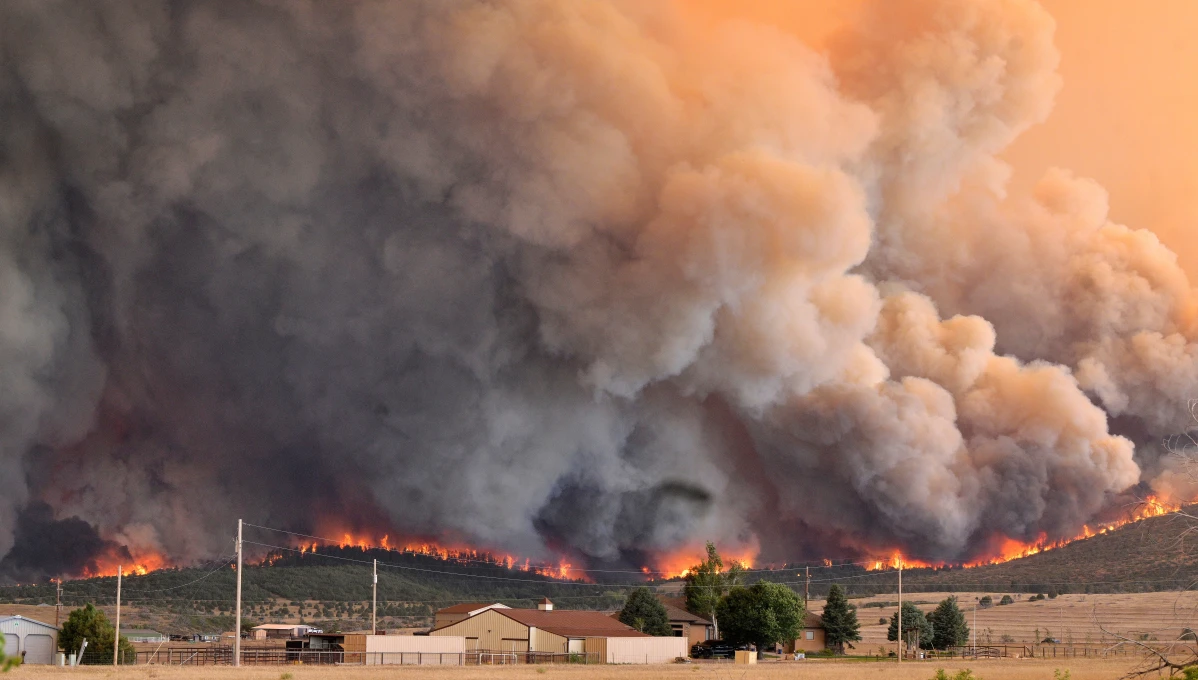
The Trump administration is facing criticism from wildfire experts and environmental scientists after moving to revive an aggressive fire-suppression strategy that aims to extinguish nearly all wildfires as quickly as possible, a policy many researchers say contributed to the worsening wildfire crises seen across the western United States over the past century.
The administration has directed federal land management agencies to prioritize rapid containment and extinguishment of wildfires on public lands, arguing that swift action is necessary to protect communities, infrastructure, and natural resources from increasingly destructive fire seasons. Administration officials say the policy is intended to reduce economic losses and improve public safety as wildfires continue to threaten millions of Americans each year.
Supporters of the strategy point to recent years of devastating fires that have destroyed thousands of homes, displaced communities, and caused billions of dollars in damages. They argue that allowing fires to burn under any circumstances poses unnecessary risks, especially as hotter temperatures, prolonged droughts, and expanding development in fire-prone areas increase the potential for catastrophe.
However, many fire ecologists and forestry experts contend that the approach ignores decades of scientific research showing that some naturally occurring fires play a crucial role in maintaining healthy forest ecosystems. According to researchers, low-intensity fires historically cleared dead vegetation, reduced fuel loads, recycled nutrients, and helped prevent the buildup of dense undergrowth that can later fuel massive, uncontrollable blazes.
Critics argue that the United States spent much of the 20th century pursuing a similar policy of extinguishing every wildfire as quickly as possible. While initially successful at reducing visible fires, that approach allowed combustible vegetation to accumulate across millions of acres of forests and grasslands. Many scientists now believe this fuel buildup has contributed significantly to the larger and more destructive wildfires experienced in recent decades.
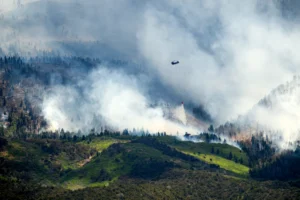
Fire management specialists also warn that aggressive suppression can undermine the use of prescribed burns, carefully controlled fires intentionally set by land managers to reduce fuel loads and restore ecological balance. Such controlled burns have become a central component of modern wildfire management strategies adopted by many state and federal agencies.

Several former federal wildfire officials have expressed concern that the new policy could discourage land managers from using fire as a tool and may lead to even greater wildfire risks in the future. They argue that not all fires pose the same threat and that some naturally ignited fires can be monitored and managed safely under favorable weather conditions.
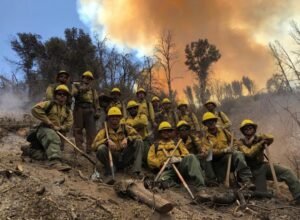
The debate comes as western states continue to prepare for another potentially severe wildfire season. Recent years have seen record-breaking fires across states including California, Oregon, Washington, Arizona, and New Mexico, with climate change, prolonged drought, and forest conditions frequently cited as contributing factors.
Administration officials reject claims that the policy ignores science, insisting that protecting lives and property remains the government’s highest priority. They argue that communities situated near forests and wildlands cannot afford a less aggressive response to emerging fires, particularly during periods of extreme heat and high winds.

Environmental groups, meanwhile, are urging policymakers to balance immediate firefighting efforts with long-term forest management strategies. Many experts say a combination of rapid response to dangerous fires, prescribed burning, forest thinning, and ecological restoration offers the most effective path toward reducing wildfire risks while maintaining healthy ecosystems.
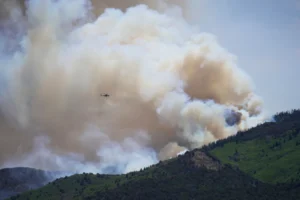
As wildfire season intensifies across parts of the United States, the renewed debate highlights a fundamental question confronting policymakers: whether every fire should be extinguished immediately or whether some fires should be allowed to play their natural role in maintaining the landscape.