
International
Indonesia Tightens Export Oversight as Prabowo Expands State Monitoring of Commodities

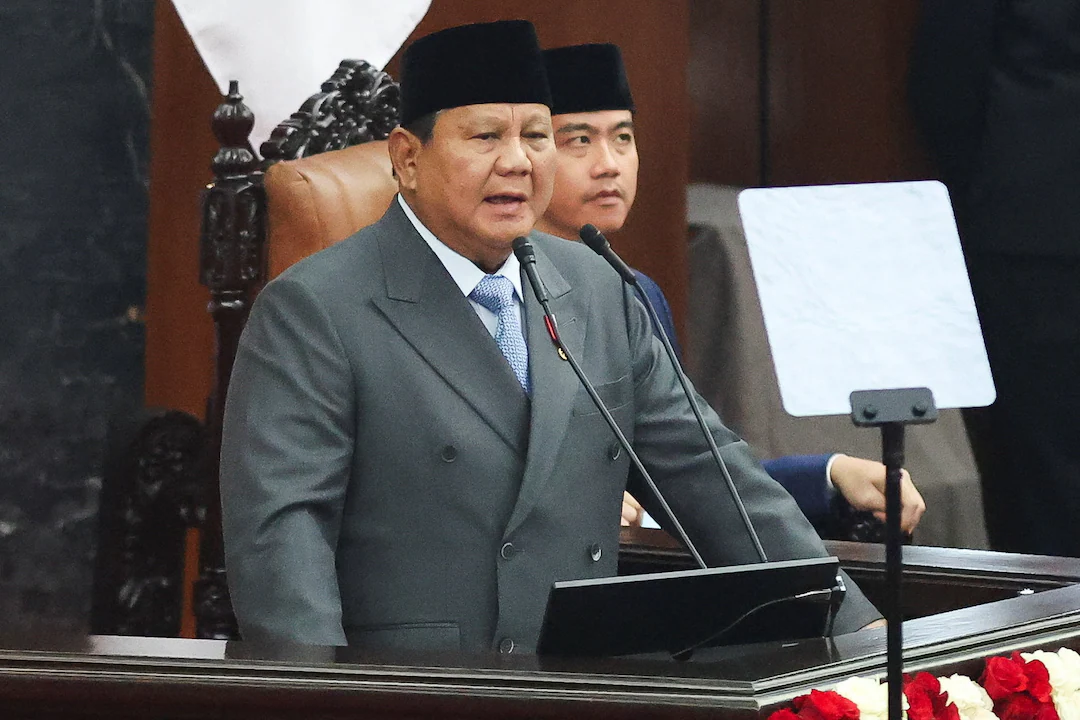
Indonesian President Prabowo Subianto has said a newly established state export company will play a broader role in monitoring the country’s strategic commodity shipments, as his administration seeks to prevent revenue losses and tighten oversight of natural-resource exports.
Speaking in his Independence Day address on Friday, Prabowo said Danantara Sumberdaya Indonesia (DSI) would monitor exports of commodities including palm oil, coal and ferroalloys, while stressing that the company would not take direct control of exporters.
The clarification comes after Prabowo announced in May that Indonesia planned to centralise the export of key natural resources through a state-linked entity. The policy initially raised concerns among traders and businesses over how much control the government intended to exercise over commodity sales.
Prabowo said the monitoring system is designed partly to identify under-invoicing, in which exporters declare lower values for shipments than the actual value of the commodities sold overseas.
According to the president, DSI had already monitored more than 6,500 transactions worth about $14 billion over a two-month period. The company is expected to expand its monitoring network to about 50 ports and eventually cover additional strategic commodities.
Prabowo has previously argued that Indonesia could be losing billions of dollars in potential revenue because of inaccurate reporting and other weaknesses in the commodity-export system.
Reuters reported that the president cited a potential $5 billion in unreported export revenue linked to under-invoicing.
The creation of DSI is part of Prabowo’s broader economic strategy of increasing state oversight of Indonesia’s vast natural resources.
The initial commodities targeted by the policy include crude palm oil, coal and ferroalloys, major contributors to Indonesia’s export earnings. The government has said the new arrangement is intended to improve transparency, strengthen revenue collection and ensure that more of the country’s natural-resource wealth benefits the state.
The government had previously indicated that the centralised export system would be rolled out from September 2026, although implementation has been subject to debate over the precise role of the state entity and how the system will operate alongside private exporters.
The policy has attracted considerable attention from commodity producers, traders and investors because Indonesia is a major global supplier of palm oil and coal and an important producer of other minerals and industrial commodities.
Businesses have sought greater clarity on whether DSI will simply monitor transactions or eventually become more directly involved in marketing and trading commodities.
Prabowo’s latest remarks appear intended to clarify that the immediate role is oversight rather than taking over export operations.
The development comes as investors are also watching Prabowo’s wider economic policies, including his plans to boost economic growth to 6%, strengthen government revenue and manage concerns over the country’s currency and fiscal position.
For Indonesia, the challenge will be ensuring that tighter state oversight actually translates into higher public revenue without creating unnecessary disruption for exporters and international commodity markets.