
International
Niger Tightens Cash Movement Rules To Curb Terrorism Financing, Money Laundering

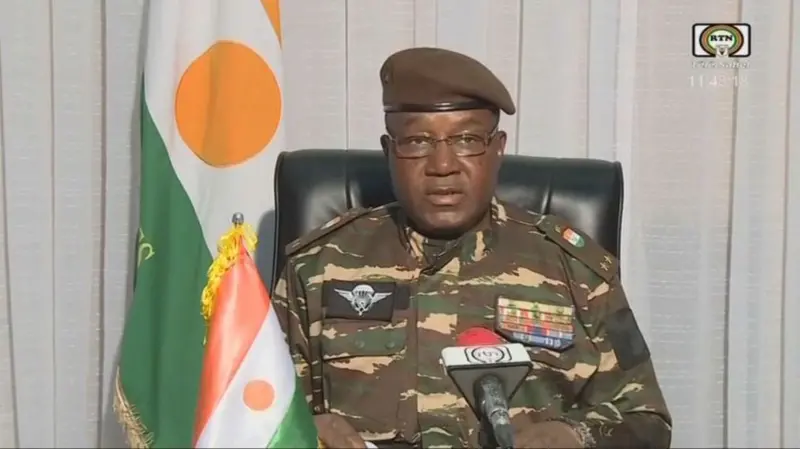
The military government in Niger has introduced new measures to regulate the movement of large amounts of cash across the country as part of efforts to combat money laundering and the financing of terrorism.
The new policy requires anyone carrying cash above limits prescribed by banking regulations to declare the funds to the relevant authorities in advance.
The government said the measure was intended to strengthen existing security checks on large cash movements while ensuring that legitimate transactions are not unnecessarily disrupted.
According to Niger’s state news agency, the announcement was made on Tuesday, although authorities did not disclose the specific cash limits covered by the new regulations.
Under the new arrangement, travellers whose financial documents correspond with the amount of money in their possession would be allowed to continue their journeys without delay.
However, authorities may conduct further investigations where cash has not been declared, supporting documents contain inconsistencies or there are serious indications of financial offences.
The government said existing laws would be applied in such cases, stressing that the measures were designed to make it more difficult for criminal and militant groups to move funds through illicit financial networks.
It also announced plans to return funds previously seized or withheld by authorities, provided their origin, ownership and intended use are established and there are no legal obstacles.
The government said the return of such funds would be carried out once the necessary documentation and verification had been completed.
The new measures come as Niger continues to confront jihadist insurgencies and other security threats in parts of the country and the wider Sahel region.
The military government, led by General Abdourahamane Tiani, has made security a central focus since taking power in the July 2023 coup that removed President Mohamed Bazoum.
Despite the junta’s efforts to strengthen security, armed attacks have continued in parts of Niger and across the Sahel.
The authorities have also taken recent steps to tighten military control following a failed mutiny. On September 11, 2026, the junta announced the appointment of Brigadier General Mamane Sani Kiaou as the new Chief of Staff of the Armed Forces, replacing Major General Moussa Salaou Barmou.
The government said the latest financial measures were part of its broader effort to disrupt the funding channels used by terrorist and criminal organisations while improving oversight of large cash transactions within Niger.