
International
Russia Wraps Up First Wartime Parliamentary Election as Kremlin Expected to Retain Dominance

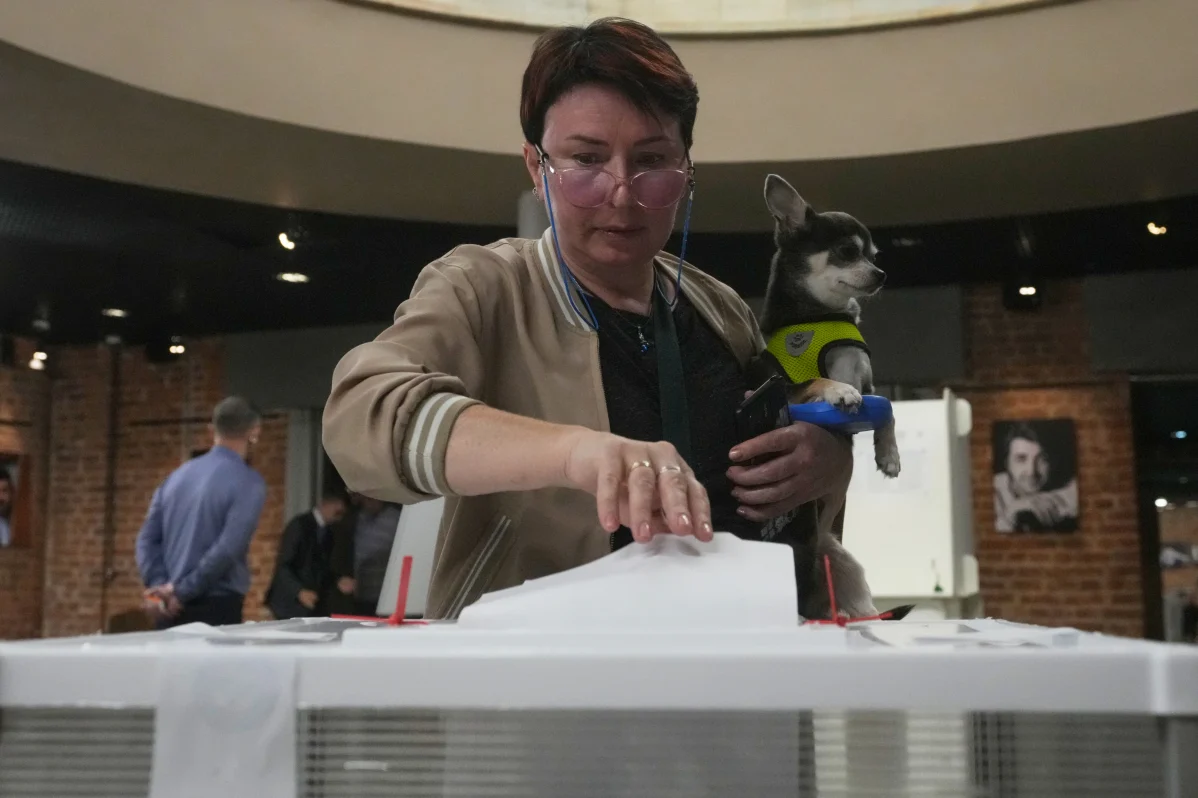
Russia on Sunday concluded its first parliamentary election since the country launched its full-scale invasion of Ukraine in 2022, with the ruling United Russia party widely expected to maintain its dominance in the State Duma.
The three-day election, which began on Friday, September 18, was held amid the continuing war in Ukraine and growing security concerns inside Russia. About 111 million voters were eligible to participate, with authorities also making electronic voting available.
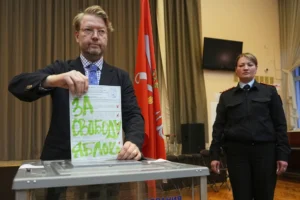
The election covers all 450 seats in Russia’s lower house. Half of the seats are allocated through party lists, while the remaining 225 are contested in single-member constituencies. Russians also voted in a number of regional and local elections.
United Russia, the party that backs President Vladimir Putin, has won every Russian parliamentary election since 2003 and secured more than two-thirds of the State Duma in 2021. It was widely expected to retain control of the chamber in the latest vote.
The election has been closely watched because it is the first parliamentary contest since Russia’s full-scale invasion of Ukraine. Putin had presented participation in the vote as an expression of national unity and support for the country’s soldiers and war effort.
The campaign took place under tight political restrictions. Russia’s Supreme Court removed the liberal Yabloko party from the nationwide party-list ballot in August, although some of its candidates continued to contest individual constituencies. Other anti-war politicians have been imprisoned, barred from running or left the country.
Several parties that remained on the ballot, including the Communist Party and other parliamentary groups, support key aspects of the government’s position on the Ukraine war. This left limited space for organised electoral opposition to Putin’s policies.
Election observers and opposition groups also reported alleged violations during the voting period, including restrictions on observers and concerns about ballot procedures. Russian authorities have rejected allegations of widespread electoral manipulation.
As of Sunday evening, Russia’s Central Election Commission data cited by RBC put turnout at 55.08% at 6:20 p.m. Moscow time, although the final figure could change as counting and reporting continued.
The final day of voting coincided with a major Ukrainian drone attack on Russia. Russian authorities said more than 1,000 drones were launched overnight, including hundreds targeting the Moscow region. Moscow Mayor Sergei Sobyanin described the assault as the largest drone attack on the capital, while Russian officials said voting continued despite the attacks.
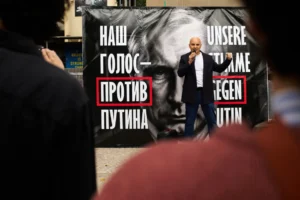
The election also included voting in Crimea and in four Ukrainian regions that Russia claims to have annexed since the war began. Ukraine condemned the voting in those territories as illegal, while the European Union described the organisation of elections there as a violation of international law.
Preliminary results were expected after polling stations closed across Russia, with the final distribution of seats to determine the composition of the ninth State Duma.