
International
Bulgaria Elects Iliana Iotova as First Female President

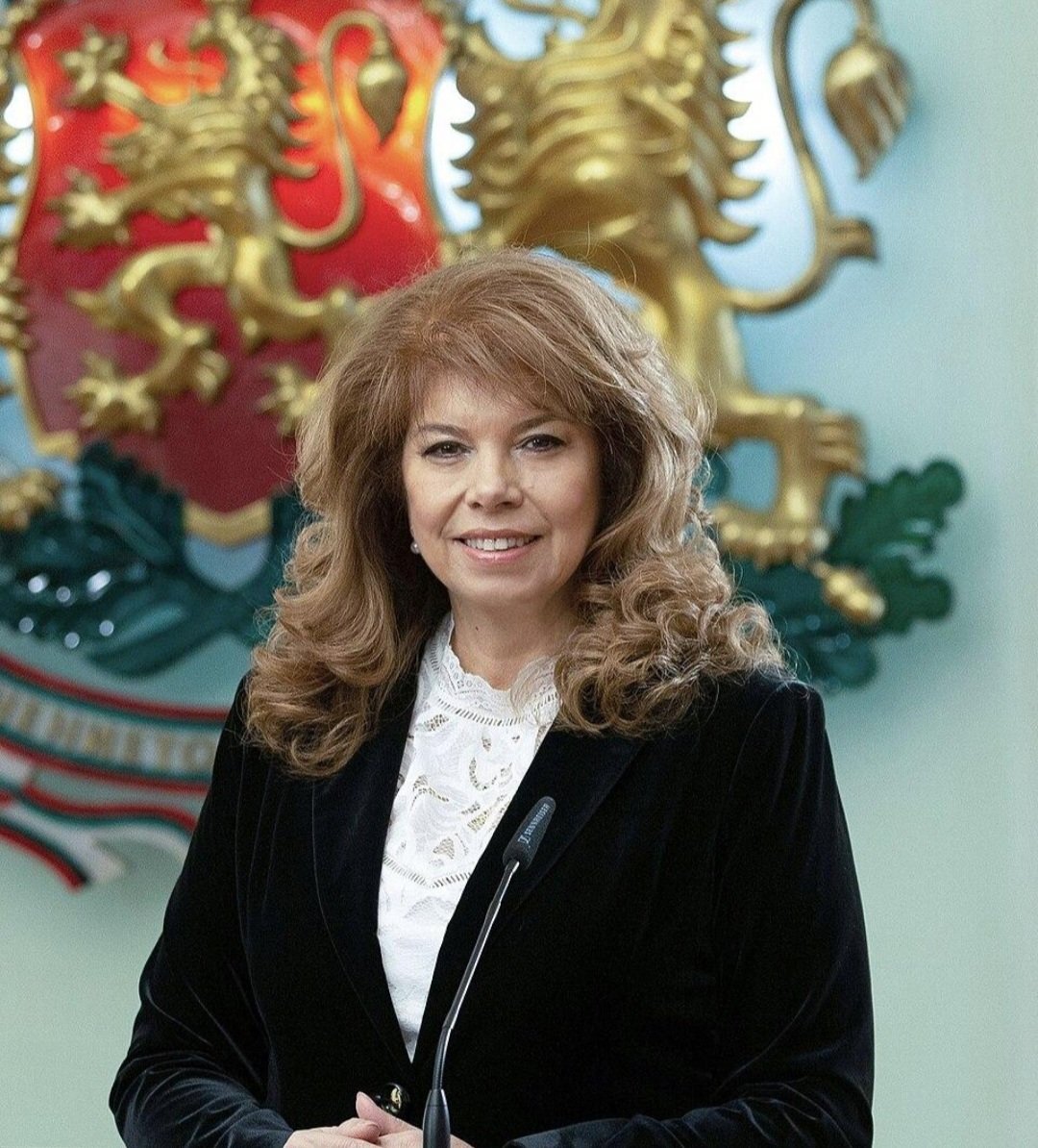
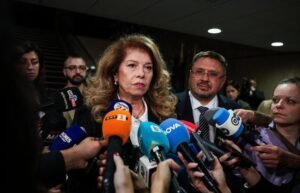
Bulgaria has elected Iliana Iotova as its first female president, following her victory in Sunday’s presidential runoff, a result that also strengthens the political position of Prime Minister Rumen Radev, whose party backed her candidacy.
Official results announced on Monday showed that Iotova secured 57.6 per cent of the vote, defeating her main challenger, former caretaker prime minister Andrey Gyurov, who received 39.5 per cent.
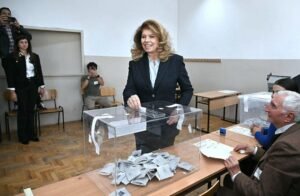
The election was held on November 1 after neither candidate secured the required majority in the first round on October 25. Iotova had led the initial contest with approximately 34.6 per cent, narrowly ahead of Gyurov, who polled about 32 per cent.
Gyurov conceded defeat following the announcement of the results, saying the outcome reflected the choice of Bulgarian voters and should be accepted. Iotova, in her victory remarks, pledged to pursue national consensus through dialogue, strengthen public institutions and promote a strong Bulgaria within a strong Europe.
The 61-year-old politician had served as vice-president under Radev before taking over as acting president in January, when he resigned to enter parliamentary politics. Her election makes her the first woman to be elected to Bulgaria’s presidency, although she had already been serving as the country’s acting head of state.
Her victory represents an important political success for Radev’s Progressive Bulgaria party, which endorsed her candidacy. The party won an outright majority in parliament in April, securing 131 of the 240 seats. With an ally now elected president, the governing bloc is positioned to exercise considerable influence across Bulgaria’s political institutions.
However, the result has also raised questions about the balance of power and institutional checks and balances. Although Bulgaria’s president has largely ceremonial responsibilities and parliament holds most executive and legislative authority, the head of state can veto legislation, lead the armed forces, sign international treaties and appoint ambassadors.
Iotova’s foreign policy positions were central to the campaign, particularly her approach to Russia’s war in Ukraine. She has advocated negotiations with Moscow as a route to ending the conflict and opposed further Bulgarian military assistance to Kyiv, arguing that the war has no military solution.
Her rival, Gyurov, was backed by pro-Western reformist parties and expressed stronger support for Ukraine. During his time as caretaker prime minister, he signed a security cooperation agreement with Kyiv, highlighting the contrast between the candidates on Bulgaria’s approach to the conflict.
The election also took place amid heightened security concerns following drone attacks on merchant ships in the Black Sea near Bulgaria’s coast. The incidents have raised fears about the conflict in Ukraine spreading further into the region. Both candidates condemned the attacks, while Radev said their outcome benefited Russia.
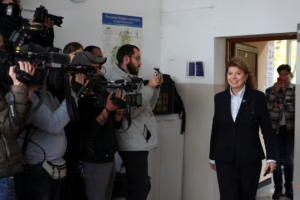
Despite her position on Ukraine, Iotova has supported Bulgaria’s continued membership of the European Union and NATO. She has also said she wants the country to remain sovereign in its decisions while maintaining its place in a strong Europe.
European Commission President Ursula von der Leyen congratulated Iotova, expressing her readiness to continue cooperation with Bulgaria on security, defence, competitiveness and energy independence.
Voter turnout in the runoff was estimated at about 27 per cent, reflecting continued political disengagement in a country that has experienced years of political instability and repeated elections. Iotova is expected to be inaugurated on January 22 for a five-year term, alongside vice-president-elect Kiril Valchev.