
International
Conservative Activists O’Keefe, Higby Charged Over Minnesota Voting Stunt

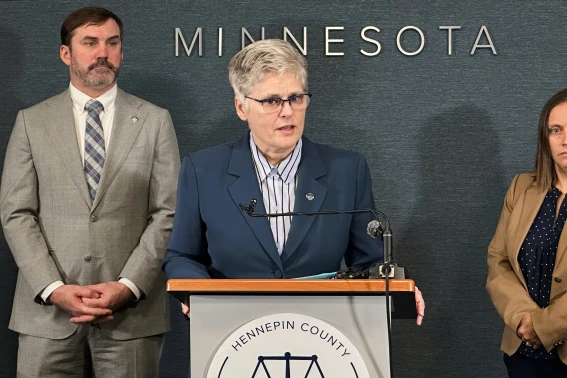
Two conservative activists, James O’Keefe and Cam Higby, have been charged with felony unlawful voting and identity theft in Minnesota after prosecutors accused them of using the names of registered voters while testing election procedures during the state’s August primary.
The charges were announced on Wednesday, October 28, by Hennepin County Attorney Mary Moriarty, who said the men misrepresented their identities to election workers at polling locations in Minneapolis while recording undercover videos intended to expose alleged weaknesses in the state’s voter-registration system.
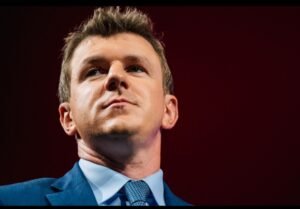
O’Keefe, 42, founder of O’Keefe Media Group and the former leader of conservative activist organisation Project Veritas, and Higby, 26, a political commentator, allegedly used the identities of registered voters without their knowledge or permission during the August 11 primary.
According to prosecutors, the pair visited multiple polling locations wearing disguises and using hidden cameras as they questioned election workers about Minnesota’s voter-vouching procedure. The process allows a registered voter in a precinct to confirm another person’s residence so the individual can register and vote on the same day.
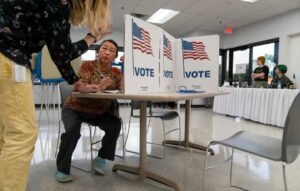
Authorities said the men used names belonging to registered voters while attempting to initiate the process of applying for ballots. Some of the names reportedly belonged to deceased residents, while others belonged to living voters.
However, prosecutors have not alleged that either man actually cast a ballot. The two reportedly stopped before signing the required oath or receiving ballots.
Moriarty maintained that the absence of a completed vote did not eliminate the alleged offences, arguing that deliberately misrepresenting one’s identity while applying for a ballot could violate Minnesota law.
The men each face one count of unlawful voting and one count of identity theft. Each count carries a potential maximum penalty of five years in prison and a $10,000 fine, although any eventual sentence would depend on the legal proceedings and applicable law.
The videos, which circulated online in August, showed members of the group wearing clothing they described as Muslim attire and using altered accents while questioning election workers about voter identification and registration requirements.
O’Keefe’s organisation said the operation was designed to test how election officials applied the vouching rules and to identify potential weaknesses in the system. The group maintained that the activists did not cast ballots.
Higby also rejected the allegations, saying he had not voted, signed an affidavit or broken the law. He described the charges as an attempt to punish him for exposing what he considers vulnerabilities in Minnesota’s election procedures.
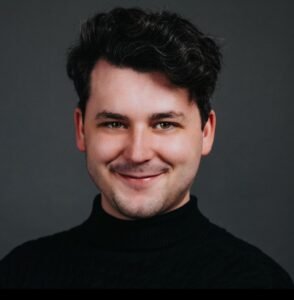
O’Keefe had not publicly responded to requests for comment immediately after the charges were announced.
Minnesota election officials have defended the state’s procedures, explaining that the vouching system is intended to help eligible voters who cannot provide conventional proof of their current residence. A registered voter may vouch for up to eight people in the same precinct, but the process requires sworn declarations and additional identifying information.
According to the Minnesota Secretary of State’s office, fewer than 0.6 per cent of votes cast in the 2024 general election involved the vouching procedure.
Secretary of State Steve Simon criticised attempts to mislead or disrupt election workers, saying polling places should remain safe and orderly. Prosecutors also said election workers noticed suspicious behaviour during the August visits and alerted authorities, prompting an investigation.
The case has drawn attention amid wider disputes in the United States over election security, voter identification requirements and allegations of electoral fraud. Supporters of stricter identification rules have questioned whether existing procedures provide sufficient safeguards, while election officials and voting-rights advocates say Minnesota’s system includes measures designed to protect the integrity of the vote.
The charges will now be tested in court, where prosecutors must establish the allegations against the defendants. Neither man has been convicted in the case, and both retain the right to defend themselves against the charges.
Their initial court appearance was scheduled for November 16, according to Minnesota Public Radio and court records cited by news organisations.