
International
Cornell Faculty Proceed With No-Confidence Vote Over Sexual Assault Response

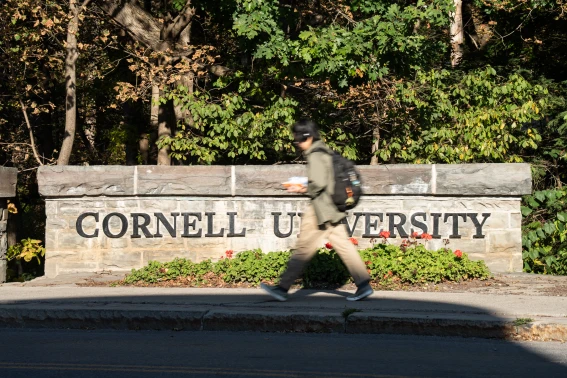
Faculty members at Cornell University in the United States are moving ahead with a no-confidence vote against the university’s administration over its handling of sexual assault allegations, deepening pressure on its leadership amid calls for accountability and institutional reform.
The university’s Faculty Senate voted on Wednesday, October 28, to reject a proposal to delay the vote until an independent investigation into the university’s handling of the allegations is completed. Electronic voting is scheduled to run through November 6.

The proposed resolution expresses no confidence in the central administration’s ability to effectively address what faculty members describe as an ongoing crisis of sexual assault on campus. Although the vote is not legally binding, its outcome could increase pressure on university trustees, who have the authority to determine the institution’s leadership.
The dispute follows a civil lawsuit filed in September by a former Cornell student identified in court documents as Jane Doe. She alleges that seven members of the Chi Phi fraternity sexually assaulted or exploited her at a fraternity house in October 2024 and that the university mishandled her complaints.

The seven men have denied the allegations. Criminal charges were not pursued following an investigation by Cornell police and a decision by the local district attorney. However, the case has since attracted renewed scrutiny, with further investigations examining the allegations and the university’s response.
During a tense Faculty Senate meeting earlier this month, university President Michael Kotlikoff faced questions from professors over the administration’s handling of the case. He acknowledged missteps but defended the university’s procedures and asked for more time to implement reforms.

Faculty members remain divided over whether the no-confidence vote should proceed before the independent review is completed. Supporters argue that the university has had sufficient time to address longstanding concerns about sexual violence, while opponents say a judgment on the administration should be based on a fuller account of the facts.
Paul Ortiz, a professor of labour history and lead sponsor of the resolution, has argued that the vote offers faculty an opportunity to demand meaningful change. Other professors have questioned whether the resolution is sufficiently specific to serve as an effective assessment of the administration’s conduct.
The controversy has also prompted calls for Kotlikoff to resign. On Tuesday, 20 female faculty members from science and engineering departments reportedly wrote to the university’s trustees, describing a lack of clear leadership in the institution’s response to the crisis.
Their appeal is separate from the Faculty Senate resolution, which does not explicitly demand the president’s resignation.
The university has announced several measures in response to the controversy, including suspending fraternity and sorority parties and related social events for the remainder of the academic year, expanding support for people reporting sexual misconduct and permitting state police to investigate campus sexual assault allegations.
An independent review led by former US Deputy Attorney General Sally Yates is also examining Cornell’s handling of the case. New York authorities are pursuing a separate criminal investigation.
The dispute has generated wider concern among students, alumni and faculty members about campus safety, the treatment of sexual assault complainants and the accountability of university officials. Some faculty members have also described fears of professional retaliation when speaking publicly about harassment and institutional failures.
The no-confidence vote is expected to conclude on November 6. While it cannot directly remove university leaders, a strong vote against the administration could intensify demands for changes to leadership, reporting procedures and the university’s approach to preventing sexual violence.
The outcome will test whether Cornell’s leadership can regain the confidence of its academic community as investigations continue and pressure for institutional reform grows.