
International
In First Budget, UK’s Healey Tries to Shelter Households From Economic Storms

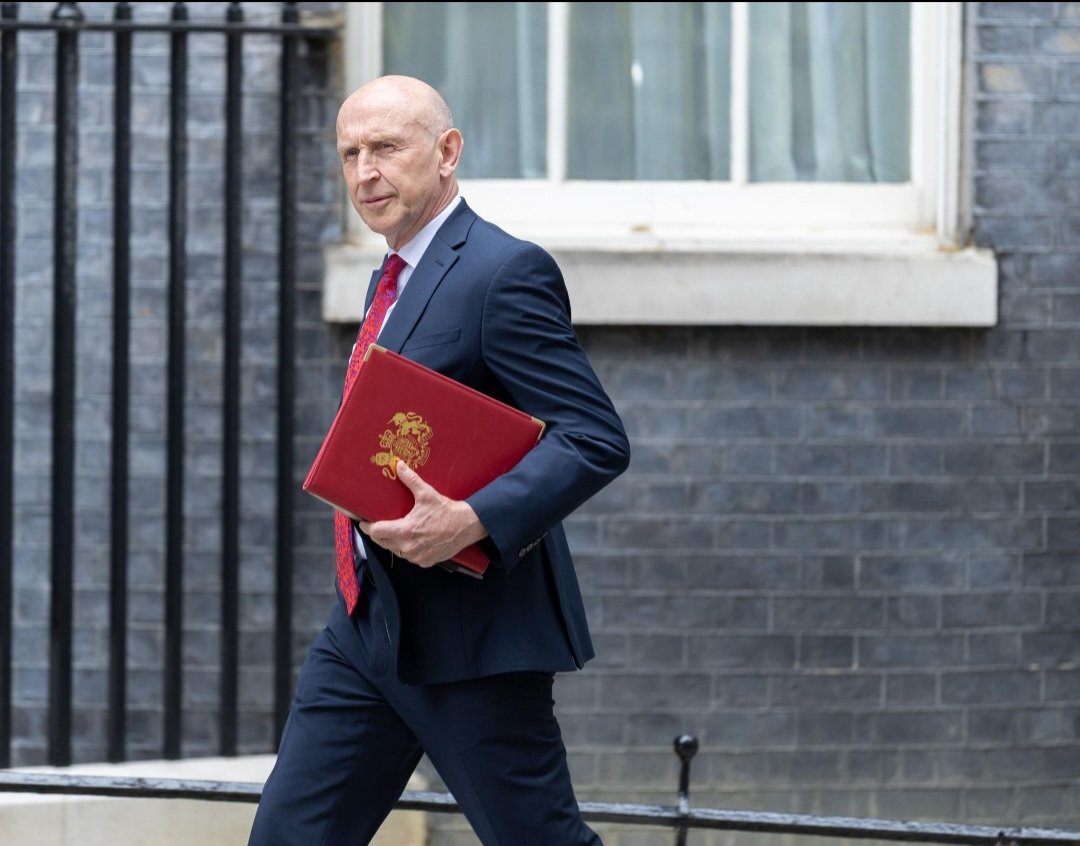
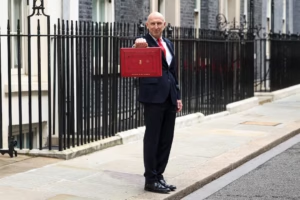
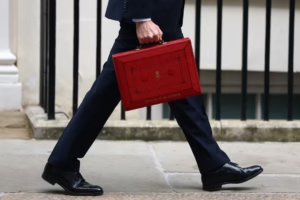
Britain’s Chancellor of the Exchequer, John Healey, has unveiled a package of measures aimed at easing pressure on households and businesses facing rising energy bills, fuel costs and inflation, as he delivered his first budget under Prime Minister Andy Burnham’s government.
Presenting the budget to Parliament on Wednesday, October 28, 2026, Healey promised to provide families with immediate financial relief while maintaining control over government borrowing amid mounting global economic uncertainty.
The package includes a £100 energy payment for about 20 million households in England living in council tax bands A to D, with funding for similar support in other parts of the United Kingdom. The government estimates that the payment will cost £2.6 billion.
Healey also announced an extension of the temporary reduction in value-added tax on electricity bills until July 1, 2027. The measure is expected to reduce the annual energy price cap by about £50 from April next year.
In addition, the government plans to abolish standing charges on domestic gas bills, potentially from next year, in a move expected to benefit around 60 per cent of households. The charges currently add approximately £108 annually to bills, although the effects of the change will vary among consumers.
Motorists will also receive relief, with the government extending the freeze on fuel duty rates until at least July 2027. The measure is intended to prevent an increase in the tax on petrol and diesel from adding further pressure to household transport costs.
Healey said the measures were necessary as international developments continued to affect the British economy. He pointed to the conflict in the Middle East, disruptions to energy supplies through the Strait of Hormuz, trade tensions and Russia’s war against Ukraine as factors contributing to higher prices and economic uncertainty.
“Analysts like to speak of economic headwinds. But what we face today are global economic storms,” Healey told Parliament, arguing that the government needed to provide immediate assistance while laying the foundations for longer-term economic stability.
The budget also includes a 3.9 per cent increase in the national minimum wage and national living wage rates, affecting about 2.3 million workers. The government said the changes would help lower-paid employees cope with the rising cost of living.
To finance the relief package, Healey announced higher taxes on banks, gambling companies, savers and landlords, alongside tighter value-added tax rules for online marketplaces. The additional revenue is intended to support households while limiting the need for further government borrowing.
The surcharge on banks’ profits will rise from three per cent to six per cent for 15 months from January. Online marketplaces, including Amazon and eBay, will also face tighter obligations to collect value-added tax on behalf of retailers selling through their platforms from October 2027.
However, the budget comes against a difficult economic backdrop. The Office for Budget Responsibility has forecast that inflation could peak at 3.8 per cent in early 2027, while economic growth is expected to slow to one per cent next year.
The watchdog also warned that the government’s plans would add about £65 billion to borrowing over five years, reflecting higher costs and the effect of the measures on public finances. Meanwhile, the government’s fiscal headroom has narrowed to approximately £15 billion, leaving a smaller cushion against further economic shocks.
Despite the challenges, Healey said he remained committed to meeting the government’s fiscal rules and rebuilding its financial buffer as conditions improve.
The budget also allocates additional funding for housing, infrastructure, defence and investment. More than £20 billion in additional support is planned for state-backed financial institutions to encourage investment in artificial intelligence, defence and green energy over the coming years.
While the measures offer immediate assistance to millions of households, questions remain over whether temporary relief will be enough to offset sustained increases in energy costs, borrowing expenses and inflation.
The government is betting that targeted support, combined with investment and fiscal discipline, can help Britain weather the current economic pressures without undermining its longer-term financial stability.