
International
Trump’s Diesel Price Relief Efforts Grow Costlier as US Midterm Elections Near

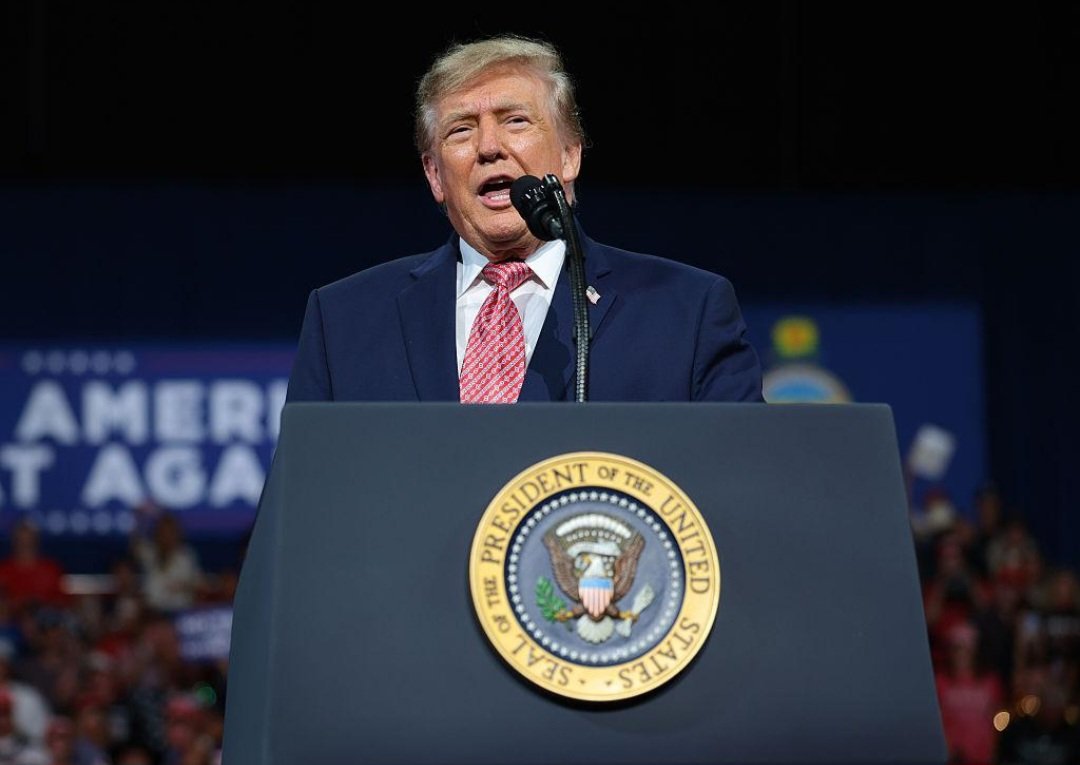
US President Donald Trump is facing growing political and financial pressure as diesel prices remain near record levels, despite a series of measures aimed at easing fuel costs ahead of the November 3 midterm elections.
The national average price of diesel rose by nearly 10 cents per gallon in the latest reporting week to $6.28, according to the US Energy Information Administration, reversing two weeks of declines. The increase is adding to the operating costs of farmers, truckers, construction companies and businesses that depend heavily on diesel-powered transport and machinery.
Trump’s response has included an additional $8 billion in assistance for farmers, temporary regulatory relief allowing certain red-dyed diesel fuel to be used in highway vehicles, eased sanctions on Russian diesel and pressure on European allies to release emergency oil stocks.
However, the initiatives have yet to produce a substantial reduction in prices, raising questions about whether the administration can deliver meaningful relief before voters head to the polls.
The new Harvest Fuel Relief Program is intended to help farmers cope with higher fuel expenses during the 2026 harvest season. While farm organisations have welcomed the assistance, some have argued that one-off payments cannot resolve the underlying problems driving up production costs.

The additional funding could push total US government payments to farmers to approximately $55.4 billion this year, according to estimates cited by Reuters. That would exceed the previous record, set in 2020 when farmers received extensive assistance during the COVID-19 pandemic.
The programme has also drawn criticism over its timing and long-term implications for public spending. National Farmers Union President Rob Larew said emergency payments were not a substitute for stable economic conditions, warning that trade disruptions and rising fuel costs were putting family farms under pressure.
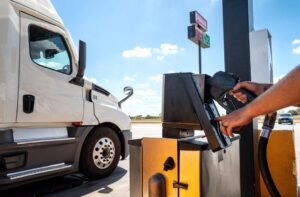
Trump has also attempted to reduce costs for truckers by temporarily easing restrictions on red-dyed diesel, which is ordinarily reserved for off-road uses such as agriculture and is generally subject to different tax treatment. But industry representatives have questioned whether the measure will significantly reduce pump prices, while uncertainty over tax reporting requirements has created concerns among fuel retailers.
Another controversial measure involves easing sanctions affecting Russian diesel supplies. The move has attracted bipartisan criticism in the United States because additional purchases could provide revenue to Moscow while its war against Ukraine continues. Analysts have also questioned whether the volumes involved would be large enough to make a meaningful difference to the American market.
Energy analysts have identified the conflict involving Iran and disruptions to global oil flows as major factors behind the increase in fuel prices. Damage to refining infrastructure and constrained supplies have further complicated efforts to bring costs down.
The rising cost of diesel has become a political liability for Republicans, who are seeking to retain narrow majorities in Congress. An October Reuters/Ipsos poll found that nearly 80 per cent of Americans blamed Trump for rising living costs, according to Reuters’ reporting.
The White House has defended the president’s actions, arguing that high fuel costs reflect problems that predate the current measures, including refinery closures and the effects of international conflicts. Administration officials say Trump is taking steps to protect farmers, truckers and workers from further financial pressure.
With the midterm elections approaching, the effectiveness of the relief measures could influence how voters assess the administration’s handling of the economy. For now, diesel prices remain elevated, and questions persist over whether costly interventions will deliver lasting relief or merely cushion some of the immediate effects.