
International
New York Moves to End 160-Year Horse-Drawn Carriage Tradition Over Safety, Animal Welfare Concerns


New York City has voted to phase out its historic horse-drawn carriage industry, bringing an end to a tradition dating back more than 160 years amid growing concerns over public safety and animal welfare.
The New York City Council approved the legislation, known as Romanch’s Law, on Thursday, October 22, with 40 votes in favour and seven against. The measure will prohibit horse-drawn carriages from operating on city streets by June 1, 2028, subject to the mayoral process.
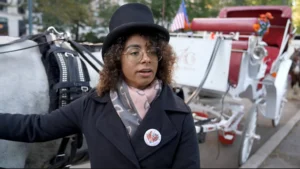
The decision follows renewed public pressure after the death of 18-year-old Indian tourist Romanch Mahajan, who was killed in June after being thrown from a carriage when a horse bolted in Central Park. The incident intensified calls from animal welfare advocates and public safety campaigners to end the practice.
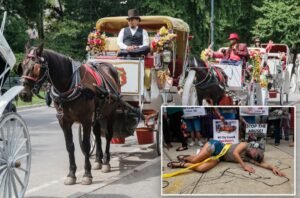
Supporters of the legislation argue that horse-drawn carriages are increasingly incompatible with the busy streets and crowded pedestrian areas of modern New York. They have also raised concerns about horses working in traffic, exposure to extreme weather and the risks associated with accidents involving frightened or runaway animals.
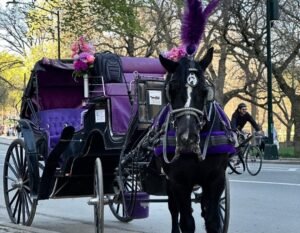
City Council Speaker Julie Menin backed the measure, arguing that the growing number of pedestrians, cyclists and other road users had made the existing arrangement increasingly dangerous. The Central Park Conservancy and animal welfare organisations also supported the move.
The legislation provides for a transition period intended to help carriage drivers and stable workers find alternative employment. The city is expected to develop a workforce transition programme that includes job placement assistance, training and career counselling. Officials are also to explore possible compensation for affected operators and arrangements for the horses’ future care.
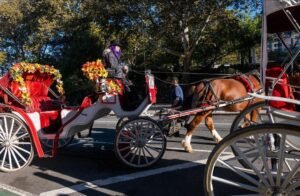
Animal welfare provisions are central to the measure, which prevents the horses from being sold for slaughter. Advocates say the transition should ensure that the animals are placed in safe and suitable homes once carriage operations end.
However, the decision has drawn opposition from carriage operators and their union, who argue that the industry represents a longstanding New York tradition and provides livelihoods for workers and family-run businesses. Some operators have questioned whether the proposed transition arrangements will adequately compensate them for their investments and help them secure alternative work.

The Transport Workers Union has threatened legal action, arguing that the ban unfairly threatens the livelihoods and businesses of licensed operators. Critics have also argued that stricter safety rules could address the risks without eliminating the industry entirely.
Horse-drawn carriages have operated in New York since the 19th century and have become a familiar feature of Central Park, attracting tourists seeking a traditional sightseeing experience. Previous efforts to ban the industry faced years of political resistance before the latest vote.
Mayor Zohran Mamdani has expressed support for ending the practice while emphasising the need to protect affected workers. The council’s decision marks a significant step towards ending the industry, although the transition period means the carriages are not expected to disappear immediately.
The debate reflects a wider international discussion over whether historic tourist attractions involving animals should continue when concerns about welfare, road safety and changing urban conditions increasingly challenge their place in modern cities.