
International
US Justice Department Sues to Block Possible Democratic Senate Victory in Alaska

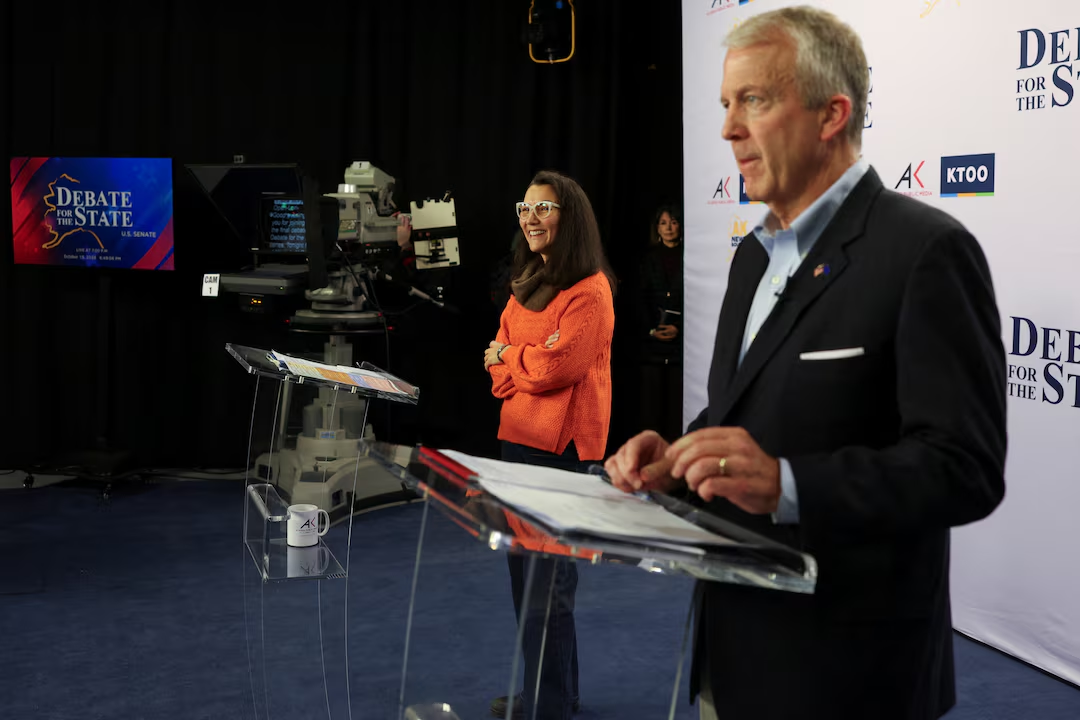
The United States Department of Justice has filed a lawsuit seeking to prevent Alaska from certifying the results of its November 3 Senate election if Republican incumbent Dan Sullivan loses under circumstances the administration believes may involve voter confusion over two candidates with similar names.
The lawsuit, filed in federal court in Anchorage on Thursday, October 22, could affect a closely watched contest between Sullivan and Democratic challenger Mary Peltola. The race is among those that could influence which party controls the US Senate after the midterm elections.
At the centre of the dispute is Daniel J. Sullivan Jr., another candidate whose name closely resembles that of the incumbent senator, Dan S. Sullivan. The Justice Department alleges that the second candidate’s presence on the ballot could mislead voters intending to support the sitting Republican senator.
The department has asked a federal judge to prevent Alaska election officials from certifying a result if Sullivan loses and the margin is smaller than the votes received by Daniel J. Sullivan Jr. It wants an investigation into whether votes cast for the latter were mistakenly intended for the incumbent.
President Donald Trump confirmed on Friday that he had directed the department to pursue the legal action, arguing that the two candidates’ similar names could create confusion among voters.
The administration says the lawsuit is intended to protect election integrity and ensure that the final result reflects voters’ intentions. It is relying partly on provisions of the National Voter Registration Act, a federal law that includes language about protecting the integrity of the electoral process.
However, the legal challenge has drawn criticism from election law experts and some Republicans. Alaska Senator Lisa Murkowski, a fellow Republican, said the Justice Department should not have filed the lawsuit.
Legal experts have also questioned whether the federal government has the authority to prevent a state from certifying its election results on the grounds outlined in the complaint. They argue that states have primary responsibility for administering elections and that the department has not adequately explained how officials could determine voters’ intentions after ballots have been cast secretly.
The dispute is not the first legal challenge to Daniel J. Sullivan Jr.’s candidacy. Alaska election officials previously attempted to remove him from the ballot, arguing that his candidacy could confuse voters. However, state courts ruled that he could remain in the race, with the Alaska Supreme Court upholding the decision in June.

The ballot distinguishes between the two candidates. The incumbent is listed as Dan S. Sullivan, a registered Republican and sitting senator, while Daniel J. Sullivan Jr. appears under his full name without a party designation. Alaska uses ranked-choice voting, which allows voters to rank candidates in order of preference.
Peltola’s campaign has condemned the federal lawsuit, describing it as an attempt to interfere with the election and undermine the voices of Alaskan voters. Daniel J. Sullivan Jr. has denied that he is working with Democrats or attempting to mislead voters, saying his candidacy reflects his own political views.
The case comes amid broader disputes over the Trump administration’s efforts to expand federal involvement in election administration. The Justice Department has pursued other legal actions concerning voter registration records and election procedures in several states, prompting concerns from election officials and voting-rights advocates.
With early voting already underway in Alaska, the lawsuit introduces additional uncertainty into a Senate race that could have national implications. The court’s decision will determine whether the state’s certification process faces the restrictions sought by the federal government, but the outcome of the election itself remains in the hands of voters.