
International
Trump’s Second Term Faces Major Test as US Midterm Elections Begin

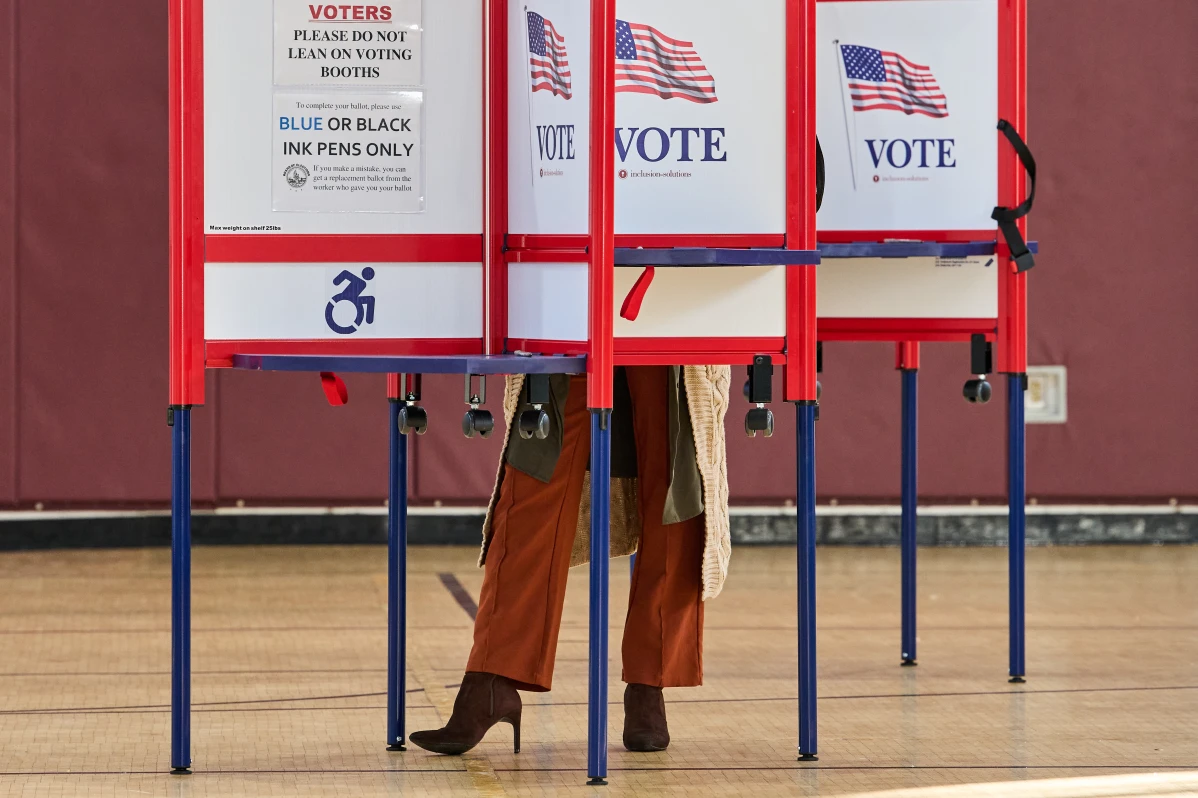
Millions of Americans are heading to polling stations as the United States holds its 2026 midterm elections, with control of Congress at stake in a major political test of President Donald Trump’s second term.
The elections, taking place on Tuesday, November 3, will determine the composition of the 435-member House of Representatives and 35 of the 100 seats in the Senate. Voters in 36 states are also choosing governors, alongside thousands of state legislative positions and several ballot measures.
Republicans currently control both chambers of Congress, but Democrats are seeking to regain the House and Senate, potentially limiting Trump’s ability to advance his legislative agenda during the final two years of his presidency.
To take control of the House, Democrats need to gain at least three seats, while they must secure a net gain of four seats to win a Senate majority.
The outcome of the congressional races will have significant implications for the administration. If Democrats take control of either chamber, they could use their majority to intensify congressional investigations, challenge aspects of the president’s policies and influence the passage of legislation. Control of the Senate would also give them greater power over presidential appointments.
The contest is unfolding against a backdrop of public concerns about the cost of living, rising fuel and food prices, immigration, foreign policy and the administration’s handling of the war involving Iran.
Affordability has emerged as a central campaign issue, with Democrats criticising the administration over the cost of everyday goods and the economic consequences of its tariff policies and military actions. Republicans, meanwhile, have focused on immigration and social issues, while defending the president’s record.

Trump has played an unusually prominent role in the campaigns, holding rallies and urging supporters to treat the elections as a referendum on his presidency. Although his name is not on the ballot, the results could determine how much political support his administration retains in Congress.
Several Senate contests are attracting particular attention, including races in Alaska, Iowa, Kansas, Maine, Michigan, Ohio and Texas. The outcomes in these states could prove decisive in determining which party controls the upper chamber.

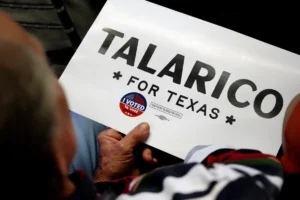
In Michigan, Democratic candidate Abdul El-Sayed is challenging Republican Mike Rogers, while Texas Democrat James Talarico is seeking to defeat Republican Ken Paxton. In Maine, Republican Senator Susan Collins is facing Democrat Troy Jackson.
The House contest is also expected to be closely fought, with dozens of competitive districts across the country. According to election analysts cited by Reuters, 47 House races are considered competitive, making the outcome dependent on a relatively small number of districts.
More than 57 million Americans had already voted early before Election Day, according to figures from the University of Florida’s Election Lab cited by CBS News.
Voting has also been affected by new election rules in several states. More than three dozen voting laws passed in Republican-controlled states are taking effect for the first time in this election, including new identification and citizenship-verification requirements. Critics argue that some of the measures could make voting more difficult for eligible citizens, while supporters say they are necessary to strengthen election security.
In Florida’s Broward County, voting at polling locations was briefly delayed after a technical problem involving a new ballot barcode safety feature. Election officials said the problem was resolved and that no votes had been counted on incorrect ballots.
The elections are also being closely watched for their potential implications beyond Washington. Democratic gains could strengthen the party’s position ahead of the 2028 presidential election, while a Republican victory would provide Trump with continued congressional backing for his remaining policy priorities.
With the House and Senate both in play, the results will offer an important indication of how Americans view the president’s leadership and the direction of the country halfway through his second term.