
International
US Midterms: Voters Reject Trump’s Favourite Candidates in Major Republican Setback

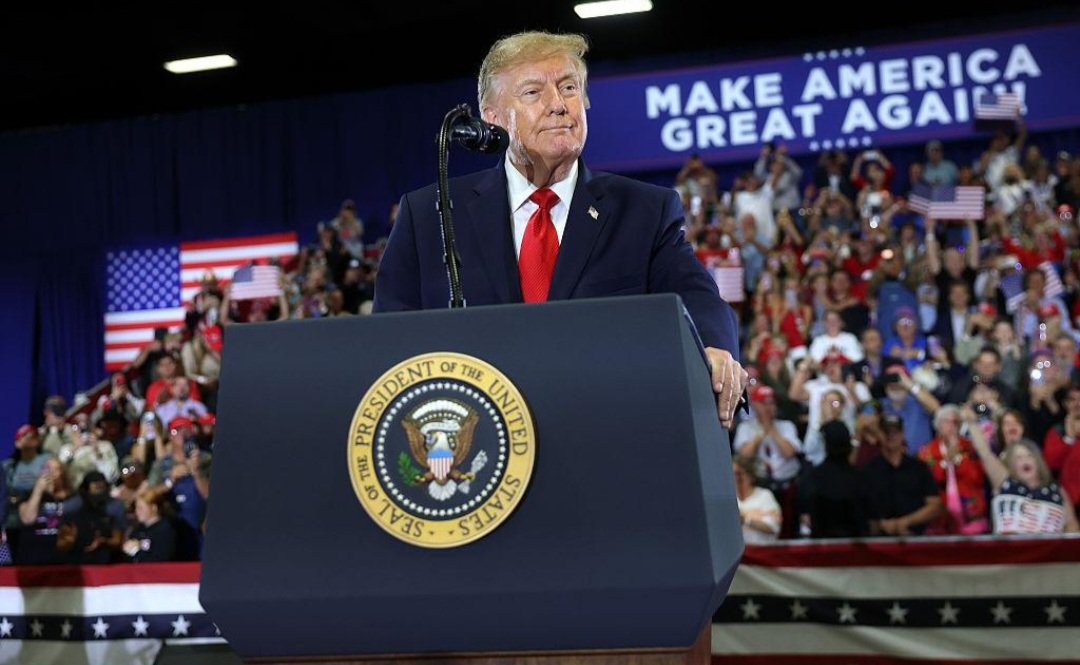
US President Donald Trump has suffered a major political setback after several Republican candidates he personally backed lost key Senate races in the 2026 midterm elections, contributing to a sweeping Democratic victory across the country.
Trump had spent weeks campaigning for Republican candidates, urging Americans to imagine that he was personally on the ballot and use their votes to endorse his administration’s policies.

However, the results on Tuesday, November 3, delivered a different verdict, with voters rejecting several of his preferred candidates in states where Republicans had expected to remain competitive or retain their dominance.
Among the most significant defeats were those of Republican Ken Paxton in Texas, Michael Whatley in North Carolina and Darline Graham in South Carolina.

In Texas, Democrat James Talarico defeated Paxton, the state’s attorney general, ending a 38-year period without a Democratic victory in a US Senate election in the state.
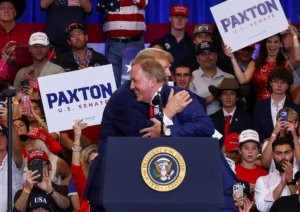
Paxton had received Trump’s endorsement during the Republican primary, helping him defeat incumbent Senator John Cornyn, despite concerns among party members about his political and legal controversies.
Talarico’s victory handed Democrats a major breakthrough in a state that has long been a Republican stronghold.
In North Carolina, former Democratic Governor Roy Cooper defeated Trump’s preferred candidate, Michael Whatley, who had previously served as chairman of the Republican National Committee.

Whatley entered the race with Trump’s backing after Republican Senator Thom Tillis decided not to seek re-election following disagreements with the president.
South Carolina also delivered a major upset, as Democrat Annie Andrews defeated Republican Darline Graham, the candidate supported by Trump.

Graham, the sister of the late Republican Senator Lindsey Graham, faced questions about her political experience during the campaign.
The defeats were particularly damaging because Trump had won all three states in the 2024 presidential election.
Democrats also secured a major victory in Ohio, where former Senator Sherrod Brown defeated Republican incumbent Jon Husted, further weakening the party’s position in the upper chamber.

The election results reflected broader dissatisfaction with the Trump administration, particularly over the economy, rising living costs and the direction of the country.
Reuters reported that nearly nine in 10 voters identified the cost of living as a major or crucial factor in their voting decisions, while nearly two-thirds blamed Trump for high prices.
The president’s handling of the economy, including tariffs on imported goods and the war involving Iran, also featured prominently in voters’ concerns.
Although Trump repeatedly urged supporters to treat the election as a personal endorsement of his presidency, the strategy appeared to backfire as Democrats made significant gains in traditionally Republican territory.
The Associated Press reported that about three-quarters of voters described themselves as angry or dissatisfied with the country’s direction, highlighting the extent of public frustration.
The losses have raised questions about Trump’s influence over the Republican Party and his ability to determine which candidates can successfully compete in general elections.
His preference for loyalists over more established Republican politicians appears to have created divisions within the party, particularly in states where some Republicans had warned that his preferred candidates could struggle with moderate and independent voters.
In Texas, Trump’s intervention helped Paxton defeat Cornyn, an established incumbent with a long record in statewide politics. In North Carolina, his backing of Whatley followed Tillis’ decision to step aside after his dispute with the president.
Political analysts have suggested that these decisions may have weakened Republican electoral prospects in races the party had previously expected to win.
Trump, however, rejected the suggestion that the results represented a personal defeat, writing on social media: “I wasn’t on the Ballot and if I was, we would have won IN A LANDSLIDE!”
He also indicated that he was prepared to accept the election results and work with Democrats.
The Republican defeats formed part of a broader Democratic wave that saw the opposition party capture control of both the US House of Representatives and Senate.
The results will significantly reshape the final two years of Trump’s presidency, giving Democrats greater power to scrutinise his administration, investigate government activities and challenge parts of his legislative agenda.

Democratic lawmakers have already indicated that they intend to use their congressional majorities to intensify oversight of the administration.
The change in congressional control could also create political confrontations over government spending, executive authority and major policy decisions.
For Republicans, the election has exposed weaknesses in their campaign strategy and raised questions about the consequences of allowing presidential loyalty to outweigh wider electoral considerations.
For Trump, the outcome represents a warning that personal endorsements and campaign appearances may not be enough to overcome voter dissatisfaction with the administration.
The 2026 midterms have therefore emerged as a significant test of his political standing and a defining moment for the Republican Party ahead of the 2028 presidential election.