
Disaster/Tragedy
Magnitude 6.05 Earthquake Strikes Mindanao, Philippines

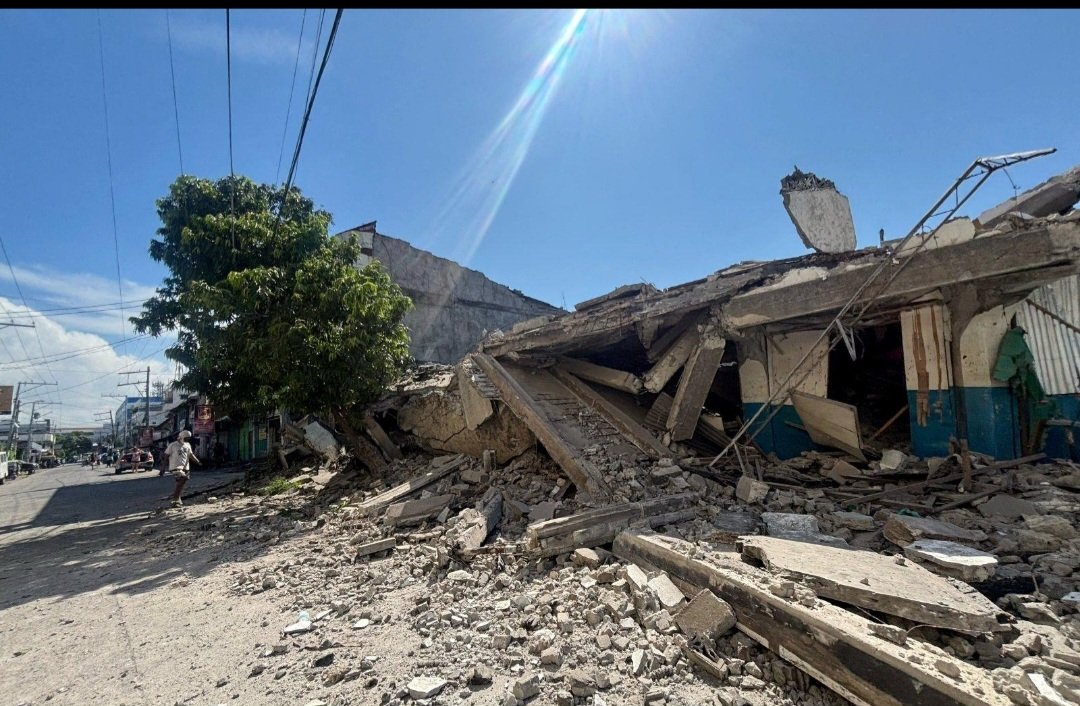
A magnitude 6.05 earthquake struck the southern Philippine island of Mindanao late Tuesday, sending tremors across several communities and prompting authorities to monitor the situation for possible aftershocks and damage. The earthquake was reported by the German Research Centre for Geosciences (GFZ), which said the quake occurred at a shallow depth of 10 kilometres (6.2 miles); a depth capable of producing strong ground shaking near the epicentre.
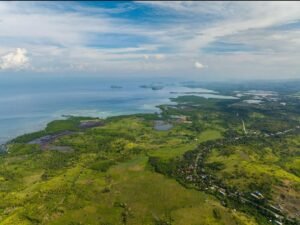
According to GFZ, the earthquake struck at approximately 11:49 p.m. local time. The agency said the epicentre was located in the Mindanao region, one of the Philippines’ most seismically active areas because it lies along the boundary of several major tectonic plates.
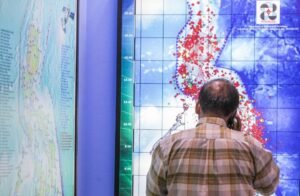
The Philippine Institute of Volcanology and Seismology (PHIVOLCS) also recorded the tremor and said that, although significant damage was not immediately expected, residents should prepare for possible aftershocks. Local authorities began assessing buildings, roads and public infrastructure in areas where the quake was strongly felt.
As of the latest official updates, there were no immediate reports of deaths, injuries or major structural damage. Emergency response agencies, however, remained on alert while local disaster management offices gathered information from affected communities.

The latest tremor comes just weeks after Mindanao experienced a devastating magnitude 7.8 earthquake, which caused widespread destruction, fatalities and thousands of aftershocks across southern Philippines. Seismologists note that the region remains geologically active, although it is not yet clear whether Tuesday’s quake is related to the earlier seismic event.
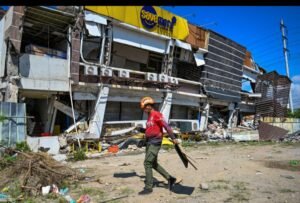
The Philippines is located on the Pacific Ring of Fire, a belt of intense seismic and volcanic activity where earthquakes are frequent due to the movement of several tectonic plates. The country experiences thousands of earthquakes each year, although most are too weak to be felt. Stronger earthquakes, however, can trigger landslides, infrastructure damage and, in some cases, tsunamis.

Authorities urged residents to remain vigilant, follow guidance from local disaster officials and avoid damaged buildings until inspections are completed. Disaster response teams are continuing to monitor the situation, while seismologists warn that aftershocks are likely in the hours and days following the quake.