
Disaster/Tragedy
Venezuela Begins Mass Burials as Thousands Remain Missing After Devastating Earthquakes

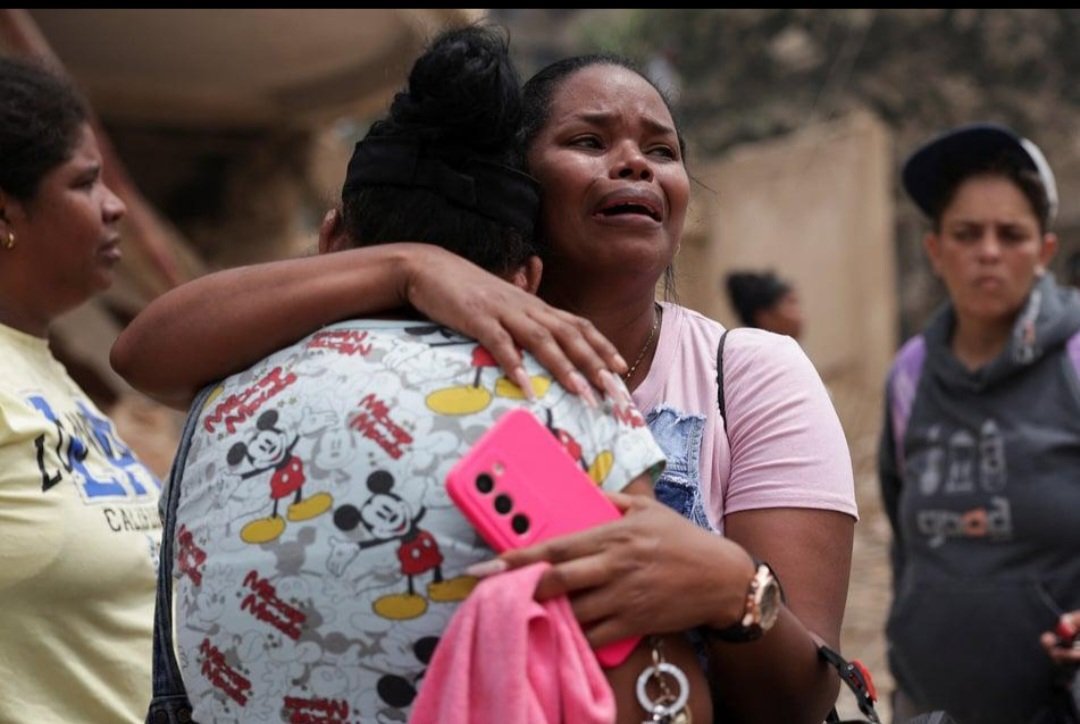
Venezuela has begun burying victims of the devastating twin earthquakes that struck the country in late June, as authorities and humanitarian agencies continue searching for thousands of people still missing beneath collapsed buildings and piles of rubble.
The disaster, triggered by back-to-back earthquakes measuring 7.2 and 7.5 magnitude, has evolved into one of the deadliest natural catastrophes in Venezuela’s modern history. According to the latest official figures, the death toll has risen to 3,535, while more than 16,700 people have been injured and nearly 18,000 residents displaced from their homes.
As hopes of finding more survivors continue to fade, authorities have shifted part of their focus to the solemn task of burying the dead. Images from affected areas showed rows of coffins and freshly dug graves, with some burial sites marked only by numbers because many victims have yet to be formally identified. Humanitarian organizations are assisting with body identification, temporary morgues and dignified burial procedures as families struggle to cope with overwhelming losses.
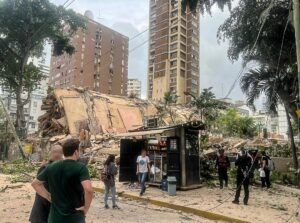
Despite the transition toward recovery, rescue teams are continuing operations in the hardest-hit coastal state of La Guaira and parts of Caracas, where thousands of people remain unaccounted for. Relatives of the missing continue to gather near collapsed buildings, hoping rescuers might still locate loved ones trapped beneath the debris.
Many survivors have expressed frustration over what they describe as a slow and inadequate government response. In several neighborhoods, families and volunteers have resorted to digging through rubble with their bare hands or renting heavy machinery themselves after waiting days for official assistance. Rescue workers say the lack of equipment has significantly complicated efforts to recover victims and search for survivors.
Hospitals and emergency shelters remain under intense pressure. Thousands of displaced residents are living in temporary camps where overcrowding, limited sanitation and shortages of clean water have raised concerns about potential outbreaks of infectious diseases. The Pan American Health Organization has warned that urgent public health measures, including vaccination campaigns and improved sanitation, are needed to prevent secondary health emergencies.
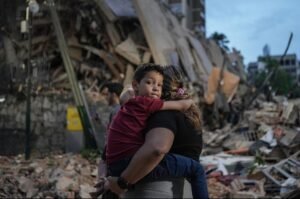
International assistance continues to arrive from multiple countries and aid organizations, providing medical teams, search-and-rescue specialists, relief supplies and engineering support. While several foreign rescue units have begun winding down operations after exhausting the critical search window, humanitarian agencies say long-term recovery efforts will require sustained international backing.
The earthquakes have also reignited debate over infrastructure standards in Venezuela. Survivors and experts have questioned why numerous residential buildings, including public housing projects, collapsed so catastrophically. Investigations into construction quality and building safety are expected as authorities begin assessing the full economic and human cost of the disaster.
Government officials have announced new emergency response initiatives and pledged to accelerate reconstruction, while humanitarian organizations stress that the immediate priority remains locating the missing, supporting grieving families and providing shelter and medical care to thousands left homeless by the catastrophe.