
General News
Nigerians Among Those Affected as US Unveils New Visa Regulations

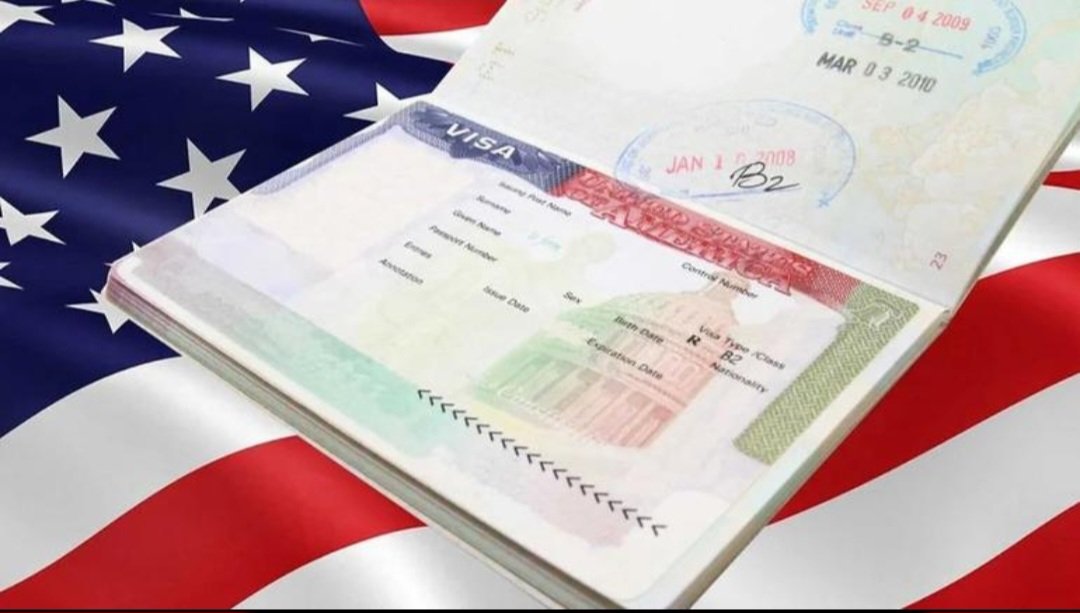
The United States has announced a fresh set of proposed visa policy changes that could significantly affect Nigerians and other foreign nationals seeking to study, participate in exchange programmes or work as journalists in the country.
The proposal, unveiled by the U.S. Department of Homeland Security and the Department of Justice, would replace the current “duration of status” system for several visa categories with fixed admission periods, as part of the Trump administration’s broader effort to tighten immigration controls and strengthen visa monitoring.
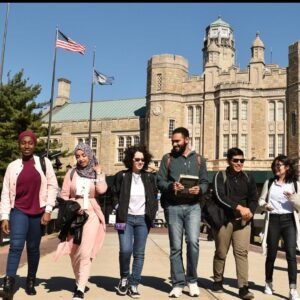
Under the proposed rules, holders of F visas (international students) and J visas (exchange visitors) would generally be admitted for a maximum period of four years. After that period, they would need to apply for an extension if they wish to remain in the United States.
Foreign journalists entering the U.S. on I visas would face an even shorter admission period of 240 days, after which they would also be required to seek an extension if they intend to continue their assignments.
At present, most students and exchange visitors are admitted under a “duration of status” arrangement, allowing them to remain in the United States for as long as they continue to comply with the conditions of their academic programme or exchange activity.
If adopted, the new policy would end that long-standing practice and instead require many visitors to renew their immigration status periodically, even if they remain enrolled in approved programmes. U.S. officials say the change is intended to improve oversight, reduce visa overstays and strengthen national security.
The proposal is expected to affect thousands of Nigerians who travel to the United States each year for university education, exchange programmes, research and media assignments.
Education consultants and immigration experts say the new rules could lead to additional paperwork, extension applications and costs for students whose courses extend beyond four years, such as doctoral candidates and some professional degree programmes. Journalists on long-term assignments may also face more frequent immigration reviews.
The proposal follows earlier U.S. measures affecting Nigerian travelers. In 2025, the U.S. revised its visa reciprocity policy for Nigeria, limiting most new non-immigrant visas issued to Nigerian citizens to single-entry visas valid for three months, while previously issued visas remained valid until their expiration.
The proposed regulation has been published for public comment before any final decision is made. U.S. authorities will review submissions from stakeholders before determining whether to adopt the rule in its current form or make revisions.
Immigration lawyers note that, until the rule is finalized and takes effect, the existing visa admission system remains in place.
The announcement comes as the Trump administration continues to pursue broader immigration reforms, including stricter vetting procedures, expanded social media screening for some visa applicants and tighter enforcement of visa compliance.
If approved, the new policy would represent one of the most significant changes to U.S. student and exchange visa administration in years and could reshape travel and educational planning for applicants from Nigeria and many other countries.