
General News
FG Aligns NABTE, ITF Roles to Boost Industrialisation, Youth Skills Development

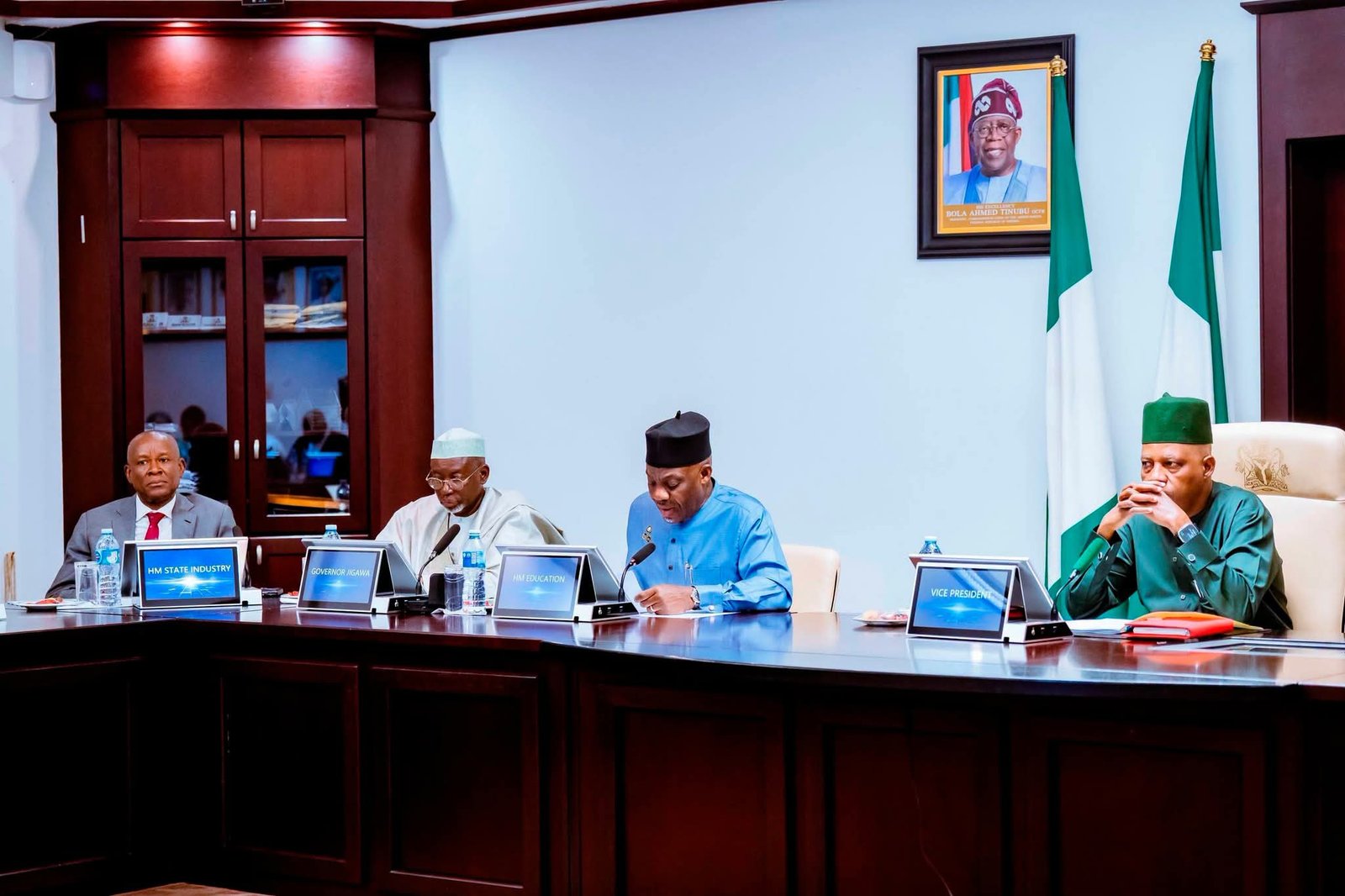
The National Council on Skills (NCS) has ratified the harmonisation of the mandates of the National Board for Technical Education (NABTE) and the Industrial Training Fund (ITF) as part of efforts to strengthen skills development and advance President Bola Tinubu’s industrialisation agenda.
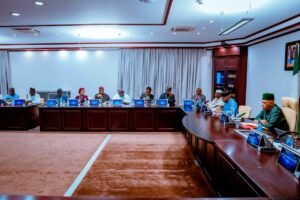
The decision was reached at the 9th meeting of the National Council on Skills, chaired by Vice President Kashim Shettima in Abuja.
The council also adopted the National Skills Observatory Platform as the foundation for evidence-based policymaking on skills development in Nigeria and constituted a committee to review policy recommendations aimed at aligning the country’s skills development framework with its industrialisation objectives.
Speaking at the meeting, Vice President Shettima stressed the need to align Nigeria’s training infrastructure with the needs of industry, saying the new framework is in line with the Renewed Hope Agenda of the Tinubu administration.

Addressing journalists after the meeting, Minister of Education, Dr. Tunji Alausa, said the reforms are designed to expand employment opportunities for young Nigerians through a more coordinated national skills development system.
According to him, the National Council on Skills has been revitalised under the current administration to deliver improved outcomes for youth employment and economic growth.
He explained that deliberations at the meeting centred on streamlining the National Skills Qualification Framework, defining the roles of awarding bodies and strengthening sector skills councils to improve coordination across the country’s vocational training system.
Alausa also disclosed that the council discussed plans for the transition of the Aliko Dangote Skills Acquisition Centre in Kano to the Aliko Dangote Foundation in partnership with the Kano State Government.
Also speaking, the Minister of State for Industry, John Enoh, said the Federal Government is intensifying efforts to drive industrialisation by investing in vocational education and technical skills training for young Nigerians.
He described the administration’s special skills programme as a critical component of Nigeria’s industrial development strategy, noting that a skilled workforce remains essential to achieving sustainable economic growth.
On his part, Jigawa State Governor Umar Namadi described the national skills programme as one of the most impactful initiatives introduced in the country, saying it has created opportunities for states to expand vocational training and youth empowerment.
He highlighted ongoing skills development programmes in Jigawa State and commended the Tinubu administration for creating an enabling environment for sub-national governments to equip young Nigerians with employable skills.
The resolutions of the council are expected to strengthen collaboration among key institutions responsible for technical education and vocational training while improving the quality of skills acquisition to support Nigeria’s industrialisation drive.