
Business
South Korean Trade Chief Heads to Washington as US Tariff Deadline Nears

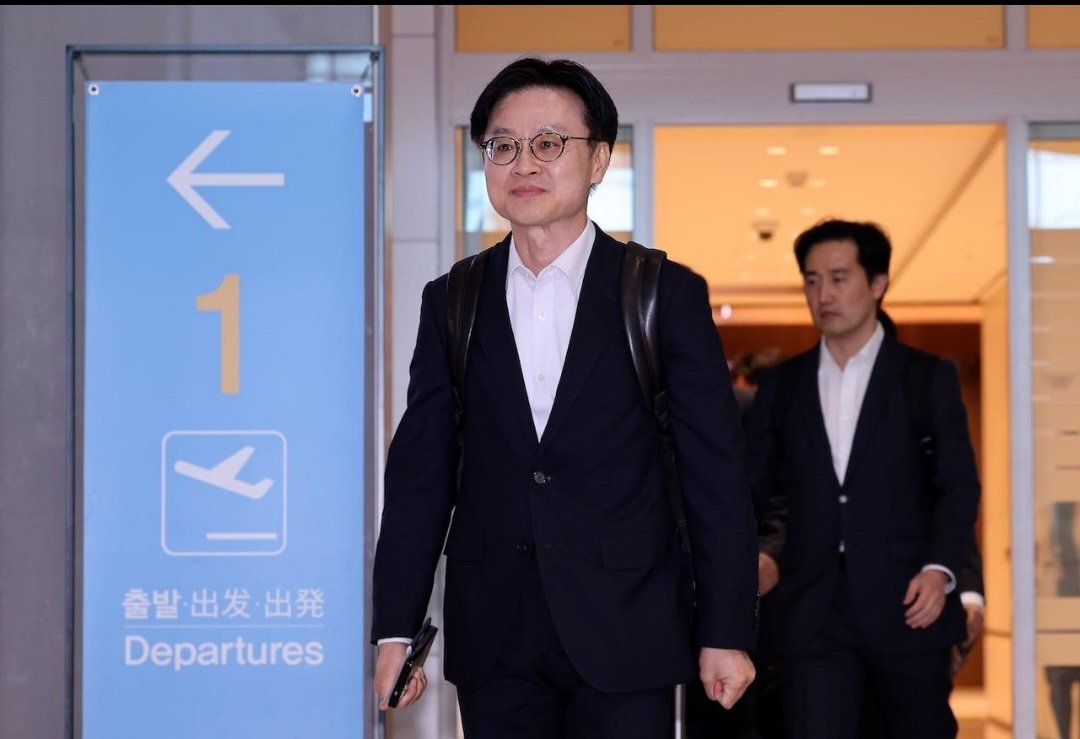
South Korea’s industry minister has traveled to Washington for a series of high-stakes meetings with U.S. officials as Seoul seeks to avoid potentially damaging tariffs that could affect billions of dollars in exports and further strain global trade relations.
The visit comes amid growing uncertainty over U.S. trade policy as the Trump administration reviews tariff measures affecting key trading partners. South Korean officials are hoping to secure exemptions or negotiate terms that would shield major industries, including automobiles, steel, batteries and technology products, from additional duties.
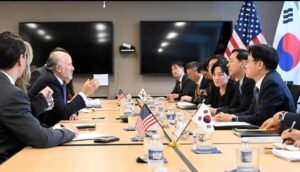
According to officials familiar with the discussions, the minister’s visit is aimed at emphasizing South Korea’s importance as a strategic economic and security partner of the United States. Seoul is expected to highlight the billions of dollars Korean companies have invested in American manufacturing facilities, particularly in the automotive, semiconductor and clean-energy sectors.
South Korea remains one of the United States’ largest trading partners, with bilateral trade reaching record levels in recent years. Major South Korean firms, including Hyundai Motor Company, Samsung Electronics and LG Energy Solution, have significantly expanded their investments in the United States, creating thousands of jobs across multiple states.
Trade analysts say the stakes are particularly high for South Korea’s export-driven economy. The country relies heavily on overseas markets, and new tariffs could increase costs for Korean manufacturers while reducing their competitiveness in the American market.
The Trump administration has argued that tariffs are necessary to protect domestic industries and address trade imbalances. Officials have repeatedly stated that countries benefiting from access to the U.S. market should provide greater concessions in return, particularly in sectors where Washington believes American businesses face unfair competition.
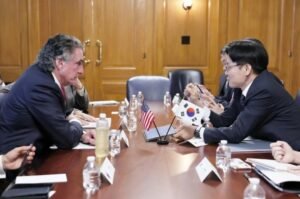
South Korean negotiators are expected to stress the broader strategic relationship between the two nations. Beyond trade, the United States and South Korea maintain a longstanding military alliance and cooperate closely on regional security issues, including challenges posed by North Korea and growing geopolitical competition in Asia.
Business groups in both countries have expressed concern that additional tariffs could disrupt supply chains at a time when manufacturers are already facing higher costs linked to global shipping disruptions and economic uncertainty. Economists warn that new duties could ripple through industries ranging from automobiles to consumer electronics.
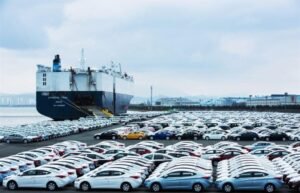
Financial markets have been closely monitoring the negotiations, with investors seeking clues about whether the two governments can reach a compromise before any new measures take effect. A favorable outcome could ease concerns about another escalation in global trade tensions, while failure to reach an agreement could trigger retaliatory measures and increase uncertainty for multinational companies.
The minister’s trip is expected to include meetings with senior U.S. trade officials, lawmakers and business leaders. While both sides have signaled a willingness to continue dialogue, significant differences remain over market access, industrial policy and tariff levels.
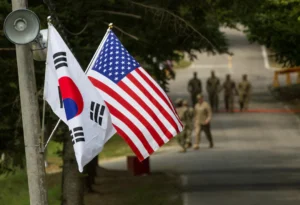
As the deadline approaches, Seoul faces mounting pressure to secure a deal that protects one of Asia’s most export-dependent economies. The outcome of the talks could influence not only South Korea’s economic outlook but also the future direction of trade relations between two of the world’s most important economic partners.