
Business
China’s New AI Model Halts New Subscriptions as Demand Swamps Capacity

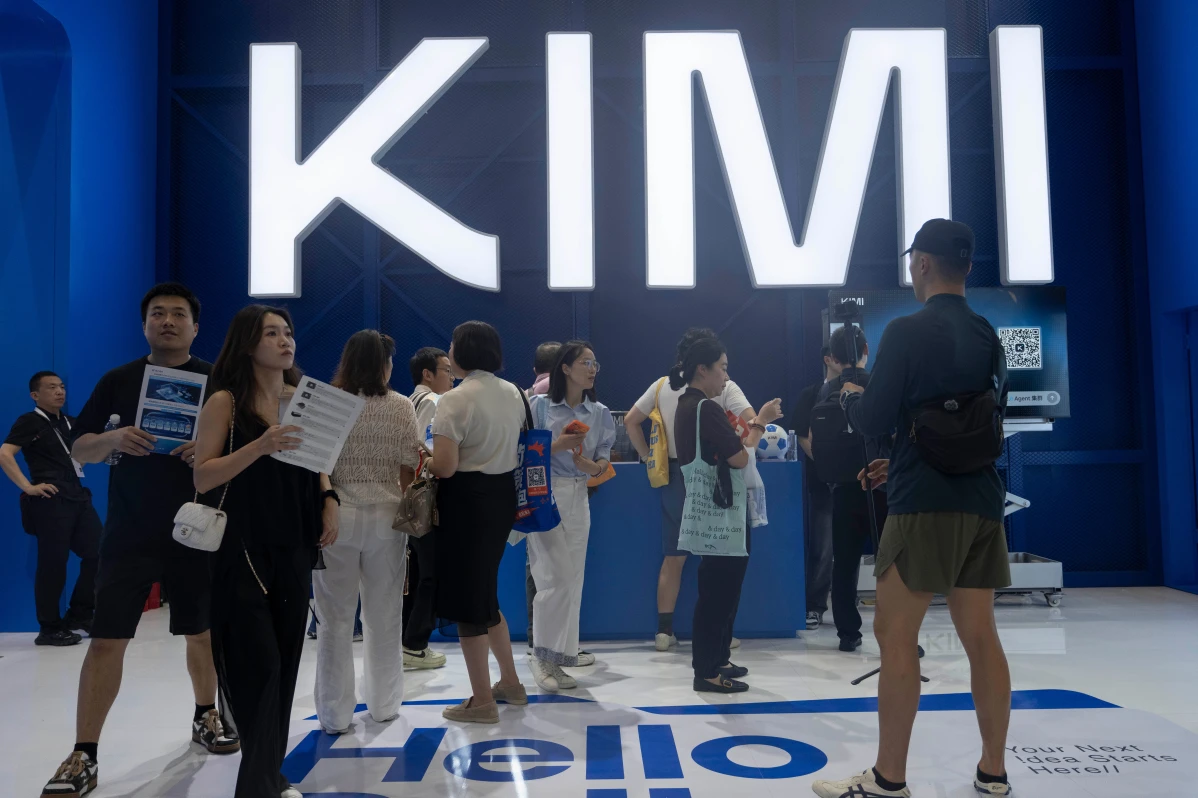
Chinese artificial intelligence startup Moonshot AI has temporarily suspended new subscriptions for its flagship Kimi K3 model after an overwhelming surge in demand pushed the company’s computing infrastructure to its limits just days after the model’s launch. The unexpected move has underscored both the growing global appetite for advanced AI systems and the mounting pressure on companies racing to build the next generation of large language models.
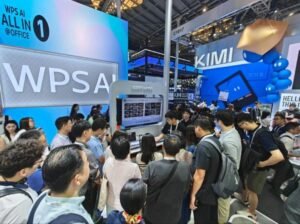
Moonshot AI announced that it would prioritize existing subscribers while rapidly expanding its computing capacity. In a statement posted on social media, the Beijing-based company said Kimi K3 had received “far more love than we expected,” adding that user demand over the first 48 hours had nearly exhausted its available GPU resources. The company said new subscription slots would be reopened gradually as additional capacity comes online.
The launch of Kimi K3 has attracted significant attention in the global AI industry because of its size and performance. With 2.8 trillion parameters, it is regarded as the world’s largest open-source AI model, designed to compete with cutting-edge systems from major U.S. developers such as OpenAI and Anthropic. Early benchmark results indicate the model performs particularly well in front-end coding, software development and AI agent tasks, helping it quickly climb performance rankings.
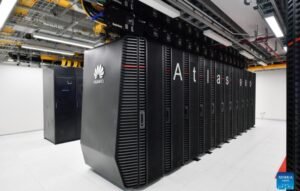
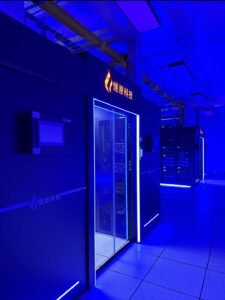
Industry analysts say the subscription pause reflects a common challenge facing frontier AI developers: demand often grows faster than available computing infrastructure. Large AI models require enormous processing power, and serving millions of users simultaneously demands extensive investments in graphics processing units (GPUs), data centres and electricity. Experts noted that strong initial demand is a positive sign for Moonshot AI, but scaling infrastructure quickly will be critical to maintaining momentum.

The success of Kimi K3 has also intensified competition in the global AI race. Chinese developers, including DeepSeek, Alibaba and Zhipu AI, have released increasingly capable open-source models over the past year, narrowing the technological gap with leading U.S. companies. Their rapid progress has come despite U.S. export restrictions on advanced semiconductor technology, which have complicated China’s access to high-end AI chips.
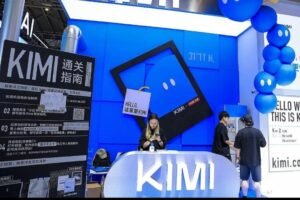
Moonshot AI said it is introducing two separate subscription plans; one for general users of its web, mobile and workplace applications, and another dedicated to coding workflows. The company believes this approach will help allocate computing resources more efficiently because programming-related tasks typically consume far more processing power than standard chatbot conversations.

The launch has also fueled debate within the U.S. technology sector. Some analysts believe the emergence of highly capable, lower-cost Chinese AI models could increase competitive pressure on American firms by offering powerful alternatives at significantly lower prices. Others argue that the episode highlights the enormous financial and technical challenges facing every major AI developer, regardless of country.
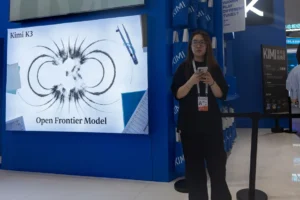
As Moonshot AI works to expand its infrastructure, industry observers say the company has already achieved one important milestone: proving that its latest model has generated enough global interest to overwhelm available capacity. The coming weeks will determine whether it can successfully scale operations while sustaining the performance that has made Kimi K3 one of the most talked-about AI releases of the year.