
Business
US Imposes Sweeping 50% Tariffs on Canadian Imports Over Auto, Dairy and Alcohol Disputes

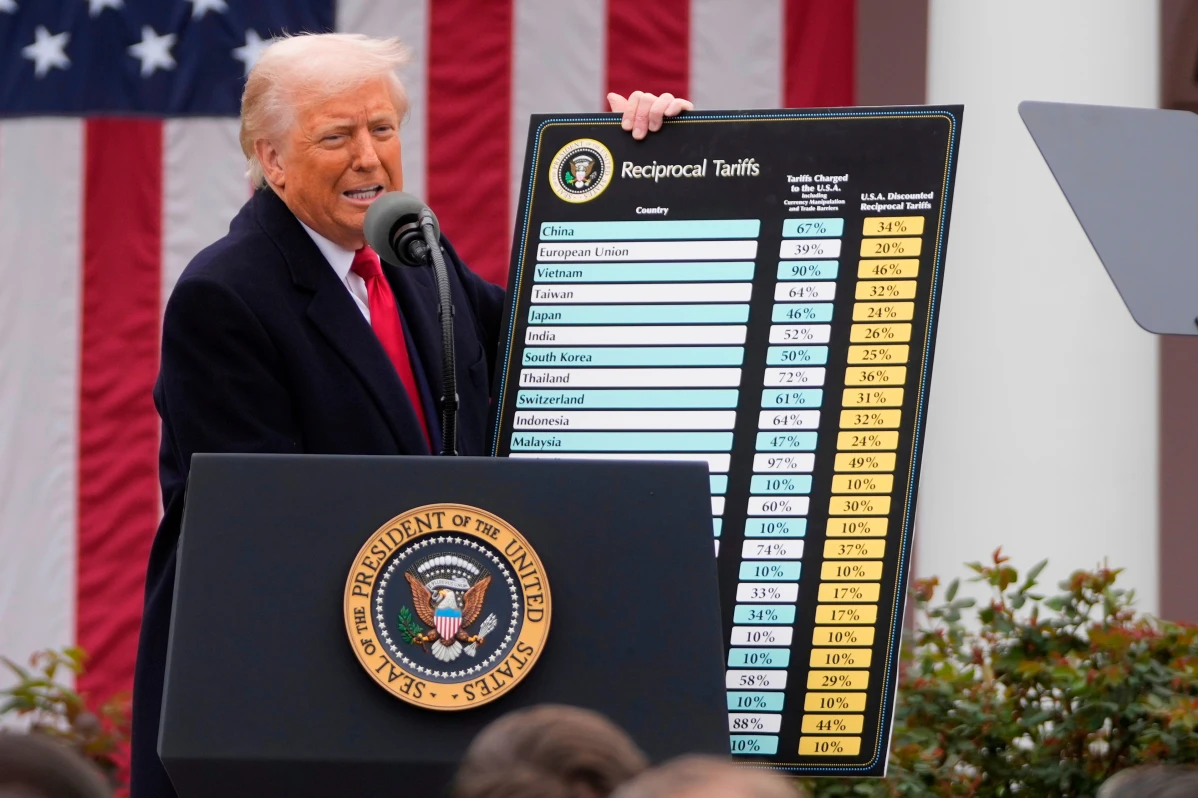
U.S. President Donald Trump has announced sweeping new 50% tariffs on approximately $20 billion worth of Canadian imports, sharply escalating trade tensions between the United States and Canada. The White House said the move is intended to counter what it described as Canada’s “discriminatory” treatment of American automobiles, alcoholic beverages and dairy products. The tariffs are scheduled to take effect on August 19, unless the two countries reach a resolution before then.

The measures were imposed under Section 338 of the Tariff Act of 1930, a little-used provision that allows the U.S. president to levy duties of up to 50% on imports from countries deemed to discriminate against American commerce. Trade experts say this is the first time the law has been used in nearly a century, making it one of the most significant unilateral U.S. trade actions in recent history.

According to the White House, Canada has unfairly restricted U.S. exports by limiting American vehicle access to its market, removing U.S. alcoholic beverages from provincial retail shelves, and granting more favorable treatment to European dairy products; including cheese, than to American producers. Administration officials argue the tariffs are necessary to “level the playing field” for U.S. workers, farmers and manufacturers.

The new tariffs will apply to a broad range of Canadian products, including paper goods, cement, wood products, clothing, sporting equipment, honey and several alcoholic beverages. However, key exports such as energy products, potash, fish and critical minerals have been exempted, reflecting their importance to U.S. industries and supply chains. The duties will also apply to many products that had previously enjoyed duty-free treatment under the United States-Mexico-Canada Agreement (USMCA).

Canadian Prime Minister Mark Carney condemned the move, describing it as inconsistent with the spirit of North American free trade. He said Canada remains committed to negotiations but will defend its economic interests and workers. Officials in several provinces, including Ontario, have indicated that retaliatory measures remain under consideration if the tariffs proceed as planned.
Business groups on both sides of the border have expressed concern that the tariffs could disrupt deeply integrated supply chains, particularly in the automotive and manufacturing sectors. Economists also warned that higher import costs could contribute to inflation, increase prices for consumers and businesses, and place additional strain on one of the world’s largest bilateral trading relationships.

The announcement marks another chapter in the increasingly strained trade relationship between Washington and Ottawa. In recent months, disputes over tariffs, market access and industrial policy have intensified, while broader negotiations over the future of North American trade have remained stalled. Analysts say the latest measures could further complicate diplomatic efforts and increase uncertainty for businesses operating across the U.S.-Canada border.

With the tariffs set to take effect in 30 days, attention is now focused on whether both governments can reach a compromise before the deadline. Failure to do so could trigger another round of retaliatory actions and deepen one of the most serious trade disputes between the two allies in decades.