
Business
Oil Decline Takes Pressure Off Dollar After Seven-Week Surge


The US dollar eased from a seven-week high on Thursday as investors assessed the Federal Reserve’s latest interest-rate decision alongside a continued decline in oil prices, while attention shifted to upcoming policy decisions from other major central banks.


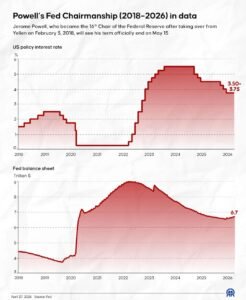
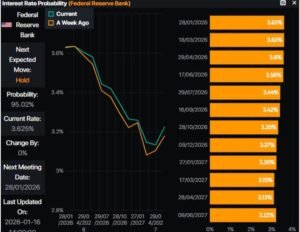
The dollar had strengthened sharply after the Federal Reserve raised interest rates by 25 basis points and signalled that another increase could come before the end of 2026. The move pushed US Treasury yields higher and initially gave the greenback additional support.

The dollar index, which measures the US currency against a basket of major currencies, was last around 100.3, close to its strongest level since July 31. The euro traded near $1.146, while the yen remained around 156.20 to the dollar.
However, the dollar later surrendered some of its gains as oil prices extended their decline. Lower energy prices can reduce some inflationary pressure, while easing concerns over Middle East supply disruptions have also changed market expectations.

Brent crude fell to around $104.59 a barrel, while US West Texas Intermediate crude dropped to about $101.29. Both benchmarks had declined by roughly $3 in the previous session.

The decline in oil prices followed reports that Saudi Arabia was offering additional crude cargoes to Asian refiners through ship-to-ship transfers off Oman’s Sohar port. The move is expected to help offset some of the disruption caused by attacks on Saudi Arabia’s East-West pipeline, easing immediate concerns about a major global supply shortfall.

Oil nevertheless remained above $100 a barrel as investors continued to monitor the wider conflict in the Middle East and the possibility of further attacks on energy infrastructure.
The US Energy Information Administration also reported that US crude inventories fell by about 640,000 barrels last week, considerably less than the 1.62 million-barrel decline analysts had expected in a Reuters poll.

With the Fed decision now behind them, investors have turned their attention to the Bank of England and Bank of Japan.
The Bank of England is due to announce its policy decision later Thursday, while the Bank of Japan is expected to make its decision on Friday. Markets are particularly interested in how policymakers assess persistent inflation pressures and the impact of elevated energy prices.
The dollar’s recent strength has also weighed on other major currencies. Sterling was around $1.3377 ahead of the Bank of England decision, while the yen remained close to a two-week low.

For global markets, the combination of US interest-rate expectations, oil prices and geopolitical developments is likely to remain important in determining currency movements in the coming sessions.