
Business
Samsung Forecasts Record $80bn Quarterly Operating Profit on AI Chip Boom

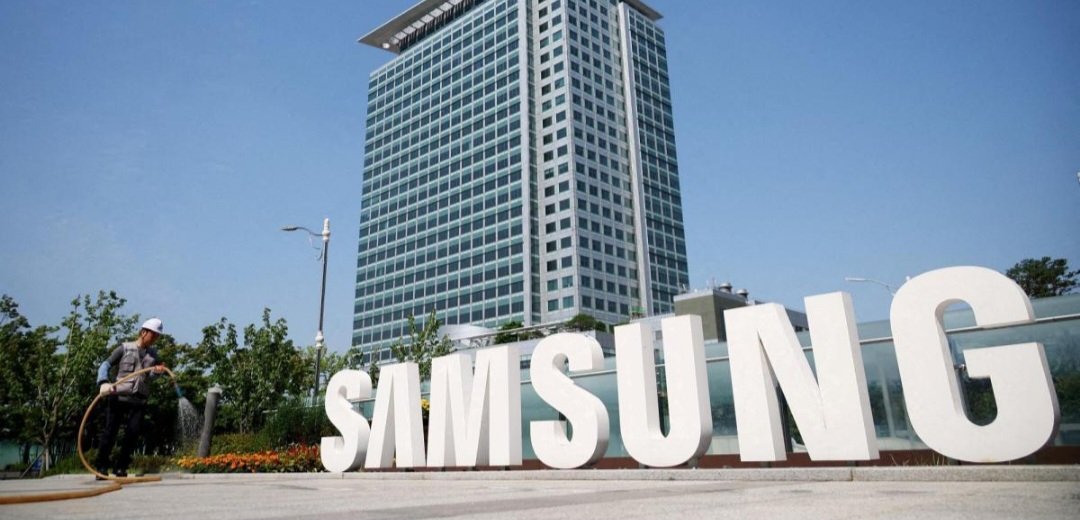
Samsung Electronics has forecast a record quarterly operating profit of 107.4 trillion won, equivalent to about $80.1 billion, as surging demand for memory chips used in artificial intelligence infrastructure continues to drive the semiconductor market.
The South Korean technology giant said its estimated operating profit for the July-to-September quarter represents a 782.5 per cent increase from the 12.2 trillion won recorded during the same period last year.
If confirmed in Samsung’s full earnings report later this month, the result would make it the first technology company to record more than 100 trillion won in quarterly operating profit. It would also represent Samsung’s fourth consecutive quarter of record operating profit.
The company estimated third-quarter revenue at 195 trillion won, up 126.6 per cent from a year earlier. Samsung did not provide a detailed breakdown of the figures in its preliminary earnings guidance, with the final results scheduled for release on October 29.

The strong performance has been driven largely by the global artificial intelligence boom, which has triggered huge investment in data centres and increased demand for advanced memory chips.

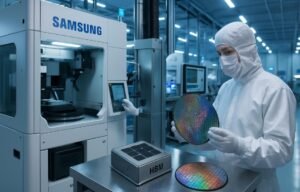
Samsung is the world’s largest memory-chip maker, while high-bandwidth memory, or HBM, has become increasingly important because of its use alongside powerful processors in AI data centres. Samsung, SK hynix and Micron are among the major suppliers of the technology.

The rapid expansion of AI infrastructure has also contributed to a shortage of memory chips, pushing prices higher and benefiting manufacturers.
Reuters reported that the shortage is expected to persist, with Samsung and other industry players anticipating tight supply conditions into 2028 as investment in AI infrastructure continues to outpace additions to chip production capacity.
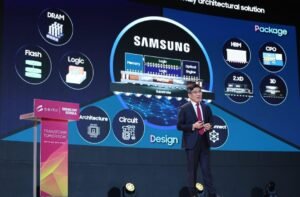
Samsung has also been working to strengthen its position in the high-bandwidth memory market. The company recently began mass production and shipments of its sixth-generation HBM4 chips, which are expected to make a more significant contribution to earnings next year.
However, the semiconductor boom is also creating challenges for businesses that buy memory chips.

Higher component prices are putting pressure on manufacturers of smartphones, computers and other electronics. Analysts cited by the Financial Times estimated that Samsung’s smartphone and home-appliance businesses could have suffered combined operating losses of more than 1 trillion won during the quarter.
Samsung’s record forecast has also not translated into an unqualified response from investors. Its shares fell on Thursday despite the earnings outlook, reflecting concerns over how long the AI-driven semiconductor boom can continue and whether the industry could eventually return to a boom-and-bust cycle.

The company is expected to provide a fuller picture of its performance when it publishes its third-quarter results on October 29.
For now, the preliminary figures underline the enormous financial impact that the AI expansion is having on the global semiconductor industry, with demand for the chips powering AI data centres reshaping the fortunes of some of the world’s biggest technology companies.