
General News
NBC Returns to Court in Fresh Attempt to Overturn Judgment on Broadcast Fines

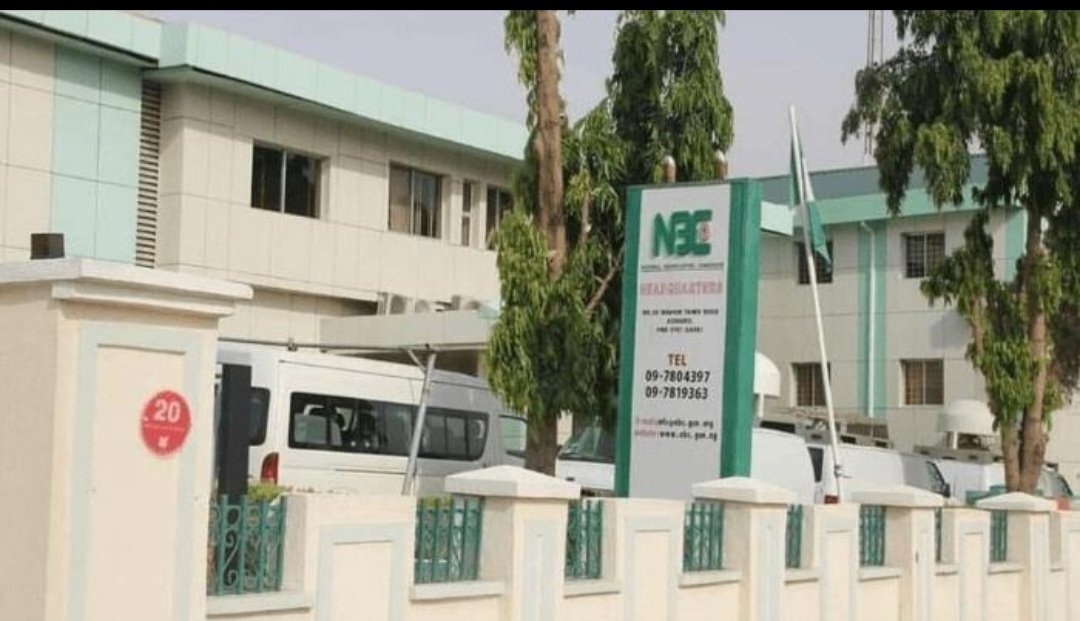
The legal battle over the powers of Nigeria’s National Broadcasting Commission (NBC) to sanction television and radio stations has taken a new turn, with the broadcast regulator filing another appeal in its bid to overturn court judgments that barred it from imposing fines on broadcasters.

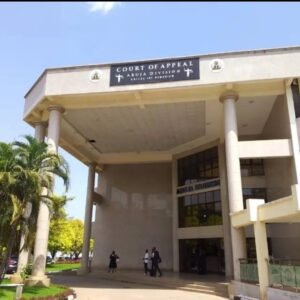
The latest move comes despite a series of judicial setbacks for the Commission, including recent decisions of the Court of Appeal affirming that the NBC lacks the legal authority to unilaterally impose monetary sanctions on broadcast organisations without recourse to the courts.
The fresh appeal stems from a Federal High Court ruling delivered in January 2024, which restrained the NBC from enforcing a ₦5 million fine imposed on several broadcast stations over the airing of documentaries on insecurity and alleged violations of the Nigeria Broadcasting Code. The affected broadcasters included Multichoice Nigeria (owners of DStv), Trust TV, TSTV and NTA StarTimes.
According to court filings, the NBC argues that the Federal High Court erred in restricting its statutory powers as the country’s broadcast regulator. The Commission is asking the appellate court to set aside the judgment and restore its authority to enforce provisions of the Nigeria Broadcasting Code, including the imposition of sanctions where necessary.
However, the Commission’s efforts have repeatedly been frustrated by the courts. In April 2026, the Court of Appeal unanimously dismissed an NBC appeal challenging a 2023 Federal High Court judgment that permanently restrained the regulator from imposing fines on 45 broadcast stations over alleged breaches of the Nigeria Broadcasting Code. The appellate court agreed with the lower court that only a court of law; not an administrative agency, has the constitutional authority to impose punitive fines.
The NBC suffered another setback in June when the Court of Appeal struck out a separate appeal relating to sanctions imposed on broadcasters in 2022. The appellate court described the Commission’s notice of appeal as “fundamentally defective” and legally incompetent after finding discrepancies in the identity of the appellant named in the court documents.
Civil society organisation Media Rights Agenda (MRA), which has spearheaded several legal challenges against the Commission, welcomed the earlier rulings, arguing that allowing the NBC to investigate, prosecute and punish broadcasters without judicial oversight violates constitutional guarantees of fair hearing and due process.
The dispute has become one of the most significant legal tests of media regulation in Nigeria. Broadcasters and press freedom advocates contend that the Commission’s fining powers have often been used to discourage critical reporting and suppress editorial independence, while the NBC insists that sanctions are necessary to maintain professional standards, ethical broadcasting and national security.
Legal analysts say the outcome of the Commission’s latest appeal could have far-reaching implications for the future of broadcast regulation in Nigeria. A decision in favour of the NBC would strengthen the regulator’s enforcement powers, while another defeat would further entrench judicial limits on its ability to impose administrative fines without court approval.