
Business
US Federal Reserve Raises Interest Rates for First Time in Three Years

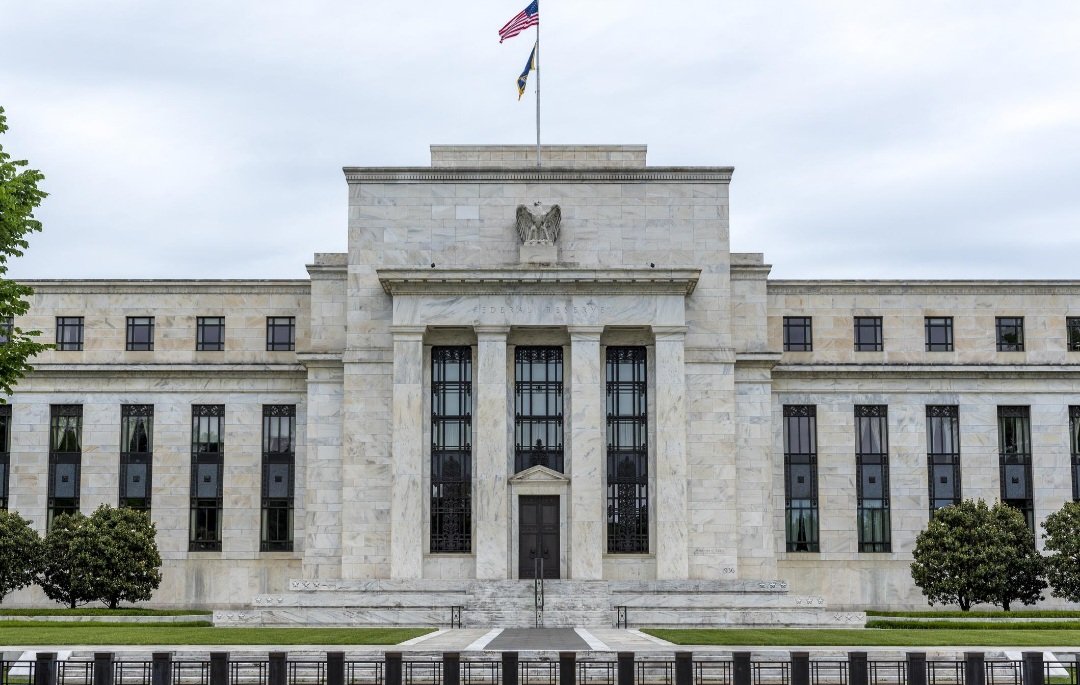
The US Federal Reserve has raised its benchmark interest rate for the first time in more than three years, increasing borrowing costs as policymakers respond to persistent inflation and rising energy prices.


The Federal Open Market Committee voted unanimously on Wednesday to increase the federal funds target range by 0.25 percentage points to 3.75%–4%. It is the first rate increase since July 2023.
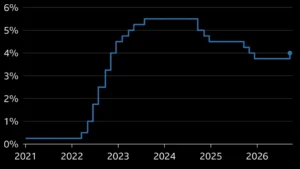
The decision marks a shift in US monetary policy after a prolonged period without a rate increase. Fed officials have been facing renewed inflation pressures while economic activity and consumer spending have remained relatively strong.
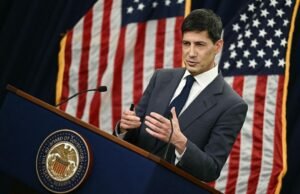
Fed Chair Kevin Warsh said inflation remained above the central bank’s 2% target and indicated that policymakers would continue to monitor economic developments closely. The Fed’s decision also signalled that another increase could come later this year.
Recent increases in energy prices, linked in part to the conflict involving the United States and Israel and Iran, have added to inflationary pressures. Higher oil prices can raise transportation and production costs, potentially pushing up prices across the wider economy.
The rate increase came despite President Donald Trump having called for lower borrowing costs. The Fed’s decision therefore puts the central bank at odds with the administration’s preference for cheaper credit.
Higher interest rates generally increase the cost of mortgages, credit cards, business loans and other forms of borrowing. They can also affect investment and consumer spending as households and companies adjust to higher financing costs.
Financial markets reacted sharply to the announcement, with stocks moving unevenly after the decision. The dollar also strengthened against a basket of major currencies following the rate increase, while investors assessed the prospect of additional hikes.
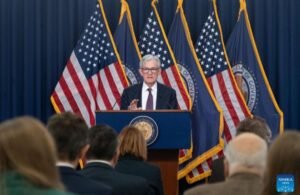
The Federal Reserve’s latest projections indicate that policymakers expect at least one more rate increase this year, although the future path of monetary policy will depend on inflation, employment, consumer spending and other economic indicators.
The decision comes as the US economy enters a politically sensitive period ahead of the 2026 midterm elections, with inflation and the cost of living remaining important economic issues.
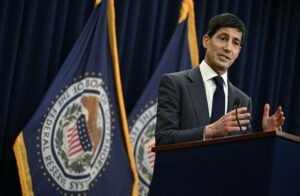
For households and businesses, the immediate effect of the Fed’s decision is likely to be continued pressure from higher borrowing costs, while policymakers are seeking to prevent persistent inflation from becoming entrenched.