
General News
NMDPRA: We Don’t Fix Petrol Prices, Market Forces Determine Pump Rates

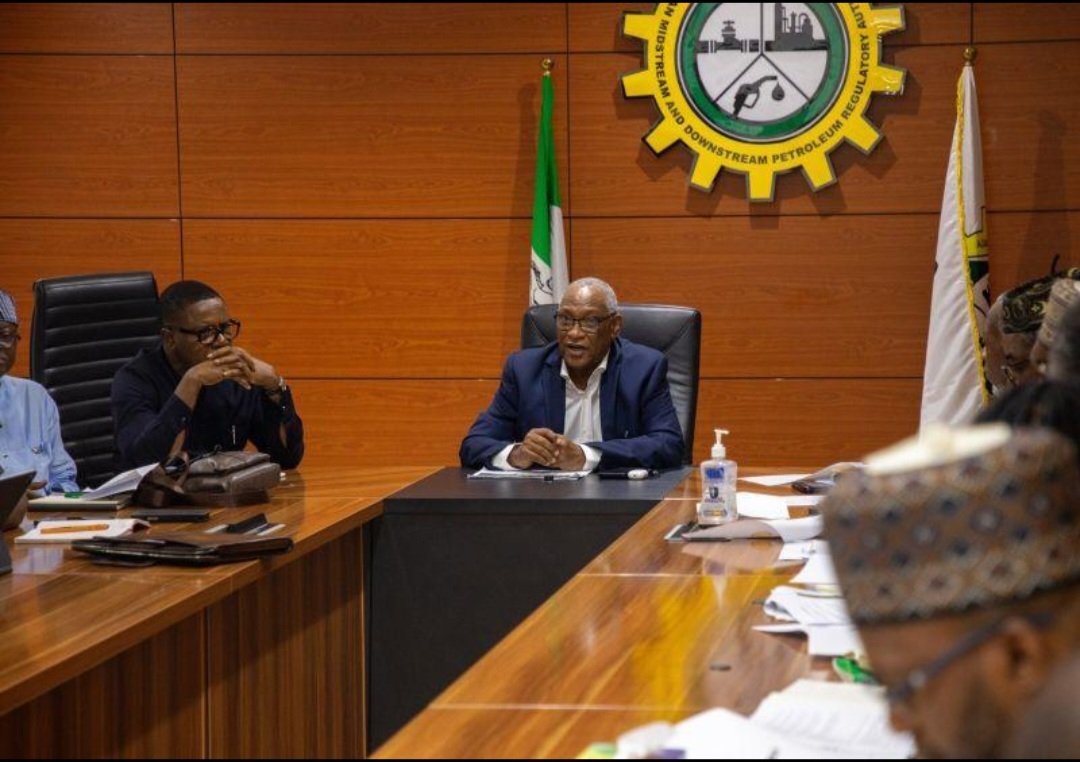
The Nigerian Midstream and Downstream Petroleum Regulatory Authority (NMDPRA) has clarified that it does not determine or fix the retail price of petrol, saying prices are governed by market forces under the Petroleum Industry Act (PIA) 2021.

The clarification comes amid renewed concerns over rising Premium Motor Spirit (PMS) prices and the financial pressure they are placing on households, transport operators and businesses across Nigeria.
In a statement on Saturday, the Authority said Section 205(1) of the PIA provides that wholesale and retail prices of petroleum products should be based on unrestricted free-market pricing conditions.

NMDPRA said it therefore does not set pump prices or issue administrative price templates. It added that Sections 205(2) to (4) allow government intervention only under exceptional circumstances where there is formal evidence of a declared market failure. According to the Authority, no such market failure has been declared.
The regulator, however, stressed that deregulation does not mean petroleum marketers can operate without oversight.
It said Section 216 of the PIA empowers it to prevent anti-competitive practices, price-fixing and abuse of market dominance.
As part of efforts to strengthen supply and protect consumers, the NMDPRA said it is working with the Nigeria Customs Service and other security agencies to intensify surveillance along border corridors and tackle the illegal diversion and smuggling of petroleum products.
The Authority also said it is collaborating with the Federal Competition and Consumer Protection Commission (FCCPC) to monitor the downstream petroleum market for practices including price gouging, collusion, under-dispensing and the sale of compromised products.
Under the arrangement, the agencies are expected to strengthen surveillance and enforcement across the downstream sector.
NMDPRA said it also plans to establish dedicated public feedback and reporting channels through which consumers and industry stakeholders can report irregular pricing and other exploitative practices for investigation.
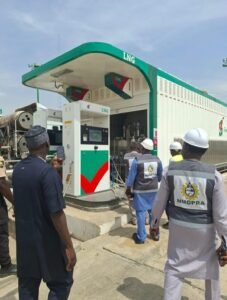
The regulator said the measures are intended to promote fair competition, protect consumers and support energy security within the framework of the PIA.
The latest clarification follows previous comments by NMDPRA’s Head of Public Affairs, George Ene-Ita, who said petrol price volatility was being influenced by factors including crude oil sourcing, domestic refining arrangements, transportation, logistics, landing costs and marine and inland taxes.
Ene-Ita had also said that a more competitive and sustainable domestic refining ecosystem could help make petrol pricing more stable and transparent.