
Crime
Flydubai Co-Pilot Who Nearly Crashed Plane Was Barred From Flying in Oman Over Extremism Concerns

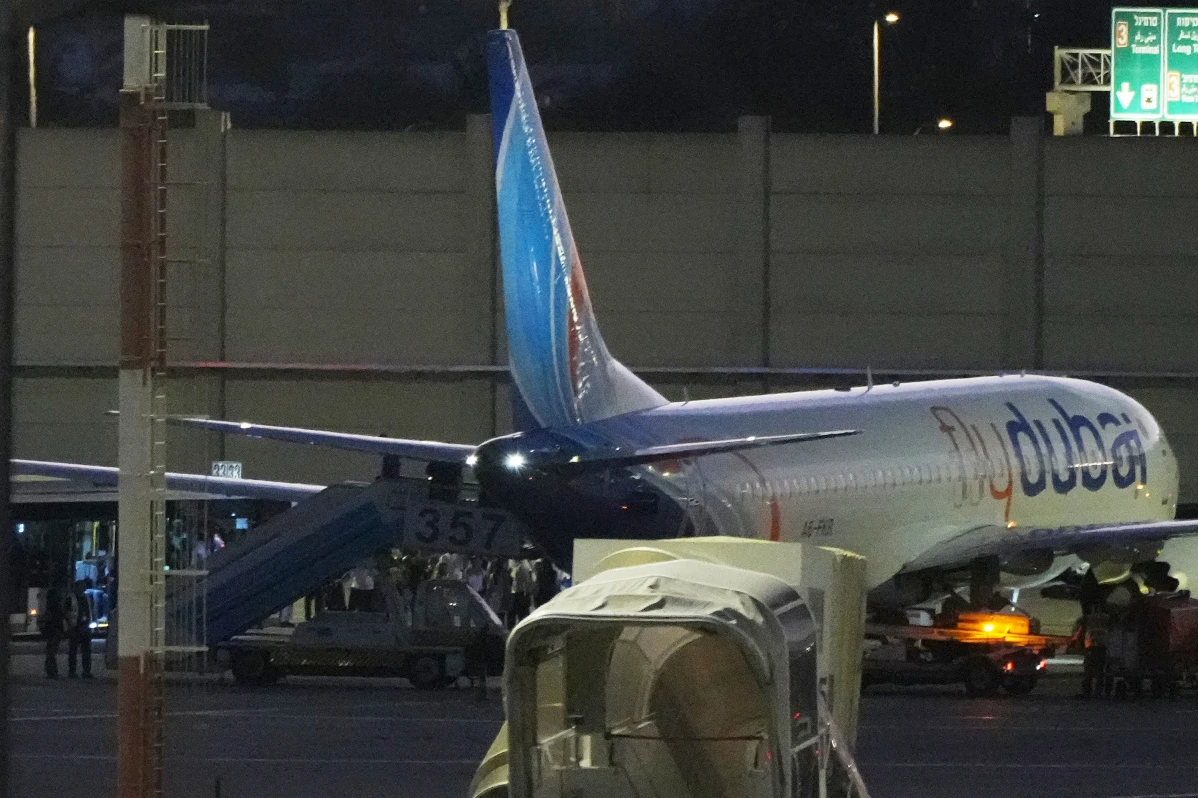
The Flydubai co-pilot accused of attacking the captain and sending a passenger aircraft into a sharp plunge had previously been barred from flying in Oman over concerns about extremist views, according to people familiar with the matter.
The revelation has intensified questions about how the pilot was subsequently able to secure employment with the UAE-based airline and operate a flight between Dubai and Tel Aviv.
The co-pilot has been identified in reports as Omani national Hamam al-Hammami. The Wall Street Journal reported that Omani authorities had previously prohibited him from flying after concerns emerged that he had adopted radical ideological views. The Associated Press separately reported that a person familiar with the matter confirmed the flying ban.
The incident occurred on Wednesday, September 30, aboard Flydubai flight FZ1073, which was carrying 182 people, including 174 passengers and eight crew members. According to investigators and passenger accounts, the co-pilot attacked Captain Smit Machchhar inside the cockpit as the Boeing 737 was flying towards Israel.
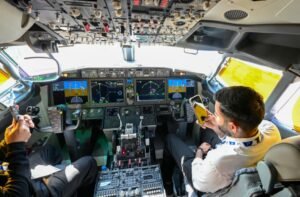
The aircraft subsequently went into a steep descent, falling to about 16,600 feet before climbing again and later dropping to around 15,000 feet. The captain, despite sustaining serious injuries, managed to open the cockpit door, allowing passengers to enter and restrain the attacker. The aircraft eventually made an emergency landing in Tabuk, Saudi Arabia.
The United Arab Emirates prosecutor general has since said the co-pilot used the aircraft’s emergency crash axe during what authorities described as an attempted terrorist attack. The UAE statement said he also attempted to take control of the aircraft before passengers and crew intervened.

The captain, who was seriously wounded, was later transferred to the UAE and is recovering in an Abu Dhabi hospital. He told Indian Prime Minister Narendra Modi during a televised video call that he had been fighting for his life and realised that passengers could die if he failed to regain control of the situation.
Reports about the co-pilot’s previous employment in Oman have raised further questions about the screening process that allowed him to continue flying. The Guardian reported that he had worked for Oman’s national airline but was removed from flying duties because of concerns that he displayed signs of extremist views. He was subsequently moved to an administrative position.

CBS News, citing people familiar with the investigation, reported that the pilot had entered training with Oman Air and that government surveillance had allegedly identified visits to radical websites. The report said he later resigned from the airline after being placed on desk duties. CBS also reported that Flydubai hired him after he moved to Dubai, without consulting the Omani government about the concerns previously raised about him.
The circumstances surrounding his hiring and the extent of the security checks conducted before he joined Flydubai are now expected to form part of the investigation.

Authorities have not established a definitive motive for the attack. Israeli Prime Minister Benjamin Netanyahu has said the co-pilot underwent what he described as Islamist radicalisation, but the Associated Press noted that Netanyahu had not provided evidence publicly supporting that assertion. Investigators are also examining whether the suspect acted alone or had links to an extremist organisation.
The investigation is being led by the UAE, with officials from Israel and other countries participating. The co-pilot and the injured captain were transferred from Saudi Arabia to the UAE following the emergency landing.
The incident has also disrupted air travel between the UAE and Israel. The UAE suspended flights to Israel following the attack, while repatriation flights were arranged to return passengers stranded in the region.
The case is likely to draw renewed attention to aviation security, particularly the sharing of security information between countries and airlines when a pilot has previously been removed from flying duties because of security concerns.