
Business
China Pushes for Equal Dialogue to Resolve Trade Differences With EU

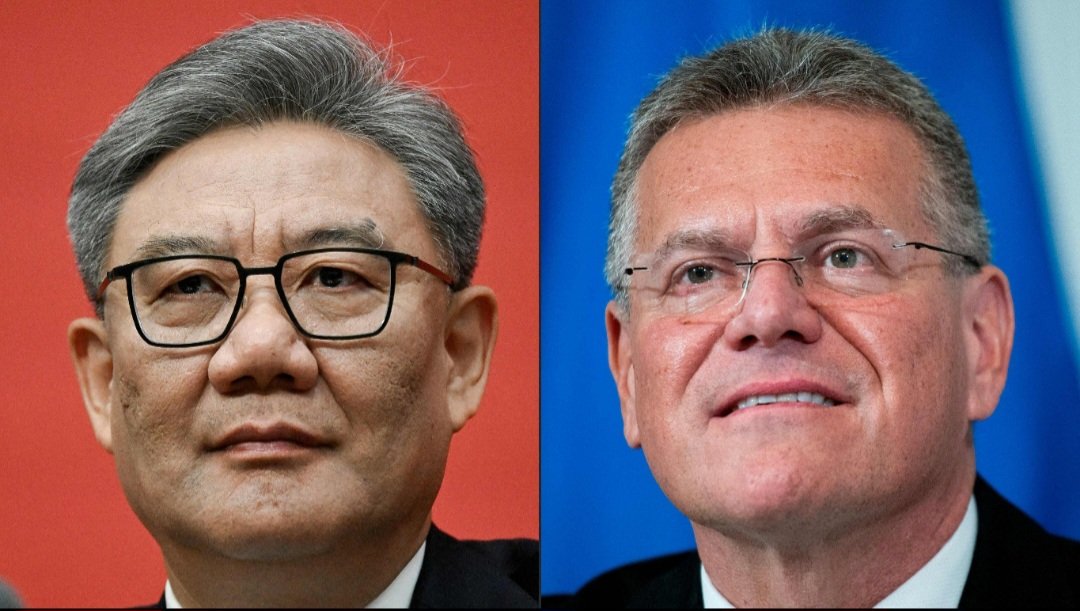
China has called for open cooperation and equal dialogue with the European Union as senior officials from both sides began crucial trade talks in Beijing amid growing tensions over the bloc’s widening trade deficit with China.
Chinese Foreign Ministry spokesperson Mao Ning said Thursday that Beijing believed economic and trade differences should be resolved through dialogue and consultation, stressing that stable and healthy trade relations were in the common interests of both sides.
“China has always believed that adhering to openness and cooperation and resolving economic and trade differences through equal dialogue and consultation is in the common interests of both China and the EU,” Mao said at a regular briefing.
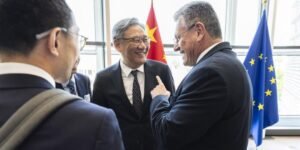
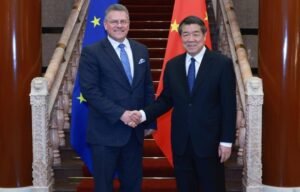
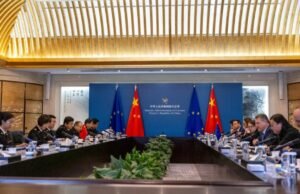
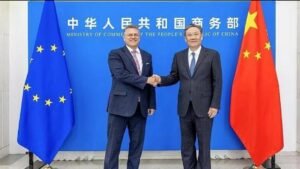
European Trade Commissioner Maroš Šefčovič is in Beijing for two days of discussions with Chinese Commerce Minister Wang Wentao. The meetings follow months of negotiations aimed at addressing the imbalance in trade between the two economic powers.
The European Union recorded a goods trade deficit with China of more than €1 billion ($1.12 billion) a day last year, according to European figures. Brussels has described the imbalance as increasingly difficult to sustain and wants greater access for European businesses to the Chinese market.
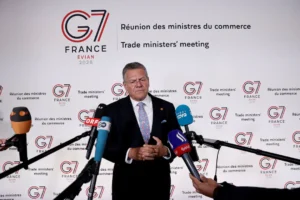
Šefčovič said the deficit was “unsustainable” and that Europe needed to rebalance its economic relationship with China. He has also identified improving market access for European companies, increasing European exports to China and securing access to critical raw materials as priorities for the talks.
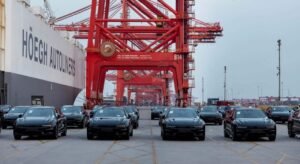
One of the major areas of disagreement is the growing volume of Chinese vehicles entering the European market. Imports of plug-in hybrid vehicles from China have risen sharply, while the EU has already imposed tariffs on Chinese-made battery electric vehicles following an anti-subsidy investigation. Brussels is considering additional measures to protect European manufacturers if the trade imbalance continues to grow.
The EU has also raised concerns about Chinese restrictions on exports of rare earths and other critical minerals that European industries rely on. Beijing, meanwhile, has rejected what it regards as protectionist efforts to restrict Chinese exports and has warned against measures that could further damage bilateral economic relations.
China’s position comes as France and Germany push for stronger European tools to respond quickly to what they describe as market distortions. The two countries have proposed a rapid-response mechanism that would allow the EU to take countermeasures against countries accused of practices such as dumping, subsidies and other forms of market distortion.
Beijing has urged European governments not to take a protectionist path. Chinese officials argue that cooperation and negotiation offer a better route for resolving disputes than additional trade barriers or unilateral restrictions.
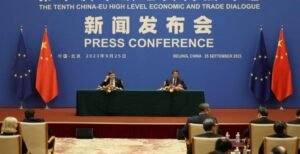
The talks also come as both sides face pressure to produce concrete results. Šefčovič has previously called for “tangible” progress by October, while EU leaders are expected to discuss relations with China at a summit later this month.
Despite the differences, both Beijing and Brussels have continued to keep diplomatic channels open. China has said it wants to work with the EU in the same direction and address each side’s concerns, while the European Commission says dialogue remains important to prevent the relationship from deteriorating into a wider trade confrontation.
The outcome of the Beijing meetings could therefore shape the next phase of China-EU economic relations, particularly in areas including automobiles, critical minerals, market access and trade restrictions.