
War
Kyiv Restaurant Owners Brace for Tough Winter as War Disrupts Businesses

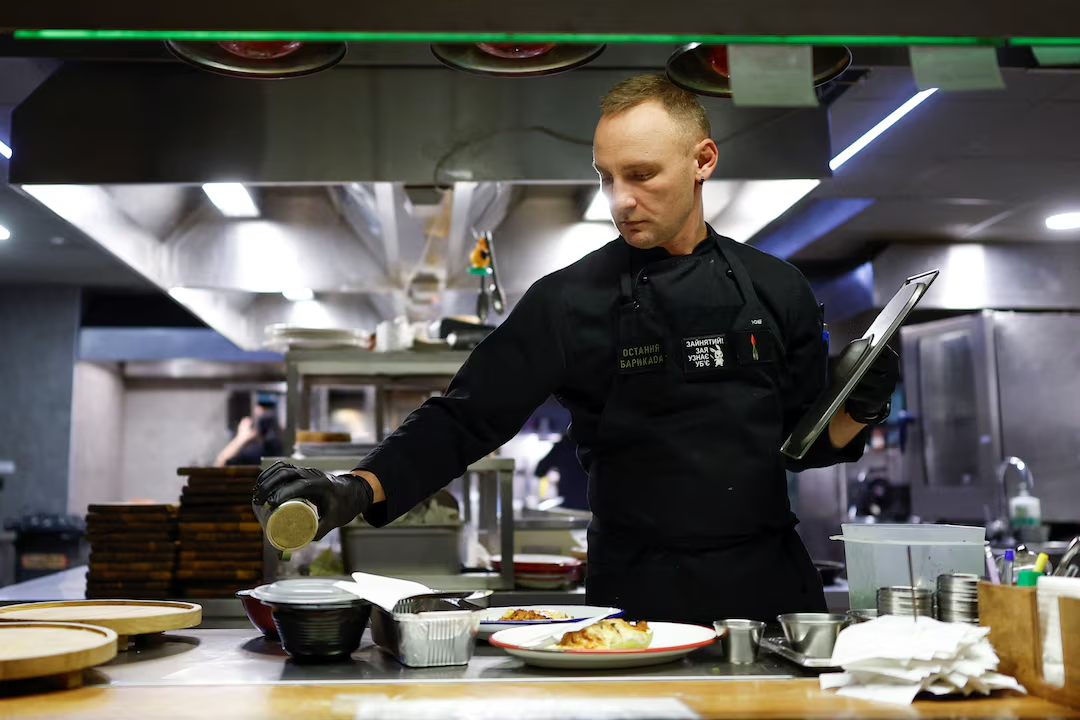
Restaurant owners in Kyiv are preparing for another difficult winter as intensified Russian attacks, frequent air-raid alerts and disruptions to essential services deepen the pressure on Ukraine’s hospitality industry.
The Ukrainian capital is approaching its fifth winter since Russia launched its full-scale invasion, with businesses struggling to retain customers amid security fears, prolonged electricity and water outages, rising fuel costs and staff shortages.
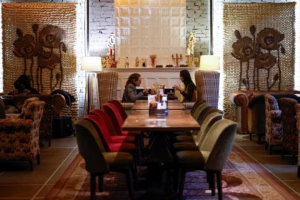
Once-busy Khreshchatyk, Kyiv’s main street, has become noticeably quieter, with several cafes and restaurants displaying “For Rent” signs as residents increasingly avoid the city centre during periods of heightened security alerts.
Olena Borysova, owner of Gastro Family, one of Ukraine’s leading restaurant groups, said operating conditions had become increasingly difficult. The company has closed two of its Kyiv restaurants and suspended operations at two others until April.
The difficulties are also affecting other major restaurant operators. Seafood chain Chornomorka has recorded an approximately 20 per cent decline in customer visits compared with last year. It has already closed two restaurants in Kyiv and plans to relocate them to western Ukraine, where some cities have attracted residents moving farther away from the front line.
Dmytro Kostrubin, the chain’s development director, said the priority for businesses was increasingly to remain financially afloat rather than generate profits.
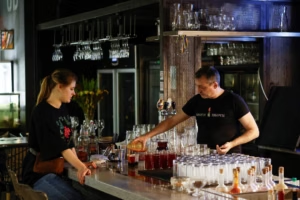
The Pesto Cafe chain has also temporarily closed seven of its 20 restaurants in Kyiv and the surrounding region because of frequent air raids and worsening security conditions.
According to data from Ukraine’s National Restaurant Association, some restaurant operators experienced a tenfold decline in sales in September.
The security situation in Kyiv deteriorated sharply from September as Russia intensified attacks on the capital and surrounding areas, targeting infrastructure including electricity facilities, railway stations, roads and shopping centres.
The city recorded 437 hours of air-raid alerts in September and October, according to the report. With warnings sometimes lasting for much of the day, restaurant operators say customers are increasingly reluctant to travel into the city centre.
The economic strain is adding to the industry’s difficulties. Inflation, which reached 11 per cent in October, has weakened consumers’ purchasing power, leaving many customers with less money to spend on dining out.
Borysova said customers were increasingly reducing their orders, with average purchases at her restaurants falling from three items to two as diners cut back on extras such as desserts and additional drinks.
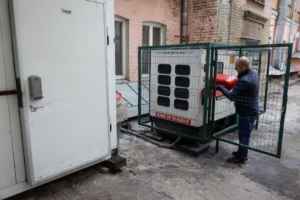
Despite the challenges, restaurant operators have introduced measures to keep their businesses running during power and water disruptions. Some have installed generators and large water storage tanks, while others have acquired water trucks to maintain supplies.
Chornomorka has also developed an emergency menu that can be prepared without running water or electricity. Some restaurants are considering cooking certain meals outdoors over open fires to cope with prolonged disruptions.
Other businesses are adapting by relocating outlets to western Ukraine or switching to cheaper restaurant formats to attract customers with reduced spending power.
Ukraine’s restaurant sector employs approximately 150,000 people and generated about 248 billion hryvnias, equivalent to around $5 billion, in sales last year, according to the National Restaurant Association.
However, Taras Kovalchuk, the association’s president, warned that some operators had already exhausted their financial reserves, making it increasingly difficult to withstand another challenging winter.
The pressure on restaurants reflects the wider economic consequences of Russia’s war in Ukraine, as businesses attempt to remain operational while dealing with insecurity, damaged infrastructure and declining consumer confidence.