
War
Israeli Settlers Attack Palestinians During Olive Harvest as Violence Spreads Across West Bank

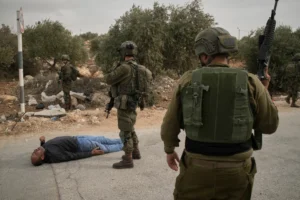
Israeli settlers attacked Palestinian farmers in several villages across the occupied West Bank on Friday, October 16, burning olive trees and cars, damaging property and injuring residents and a foreign journalist, as violence intensified during the annual olive harvest.
Local officials and the Palestine Red Crescent Society reported attacks in at least eight villages. The Red Crescent said its medical teams treated 14 wounded people, while other local accounts gave lower injury figures. Two people, including Washington Post photojournalist Heidi Levine, were reported injured in an attack in Abu Falah, near Ramallah. Levine was hospitalised after being beaten during the incident.
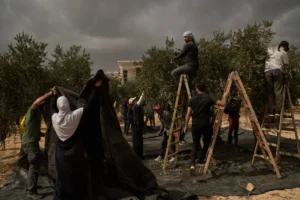
Witnesses said dozens of masked settlers descended on olive groves where Palestinian farmers had gathered to pick fruit. Some allegedly threw stones and set trees alight. Israeli military vehicles arrived during the violence, and soldiers fired tear gas in the direction of Palestinians, according to Reuters witnesses. Israel’s military condemned the violence and acknowledged that a journalist had been injured, while the circumstances surrounding the response by security forces remained disputed.
The annual olive harvest is an important source of income for Palestinian families, particularly in rural communities across the West Bank. Palestinian officials say at least four Palestinians have been killed and more than 100 injured since the harvest season began earlier this month, while thousands of olive trees have reportedly been damaged. The attacks have renewed concerns among residents and rights groups about settler violence and farmers’ access to agricultural land.
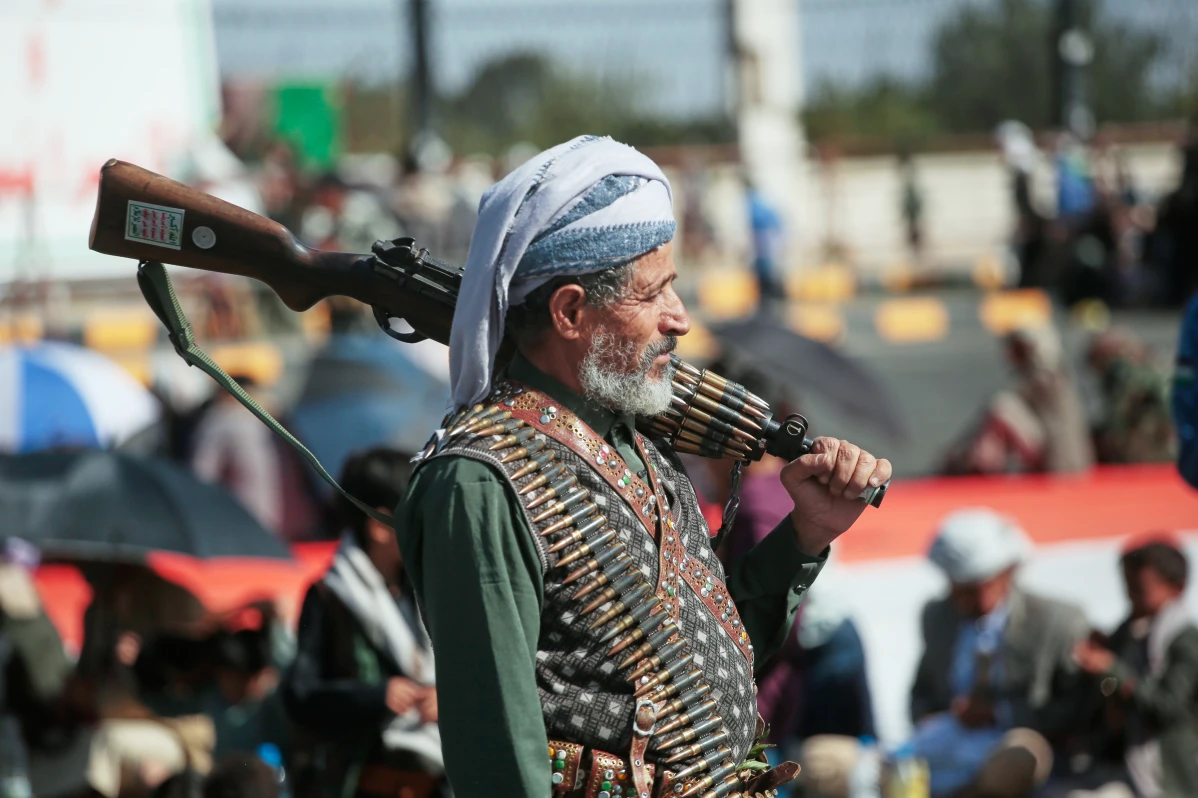
In Yemen, meanwhile, attacks on the Maashiq palace compound in the southern port city of Aden, which is used by the internationally recognised government, killed at least five people and wounded more than a dozen others, government officials said.
Yemen’s Health Minister Qasem Buhaibeh said security guards and other employees were among the casualties. The Iran-backed Houthi movement claimed responsibility, saying it had targeted a military operations headquarters associated with Saudi forces supporting the Yemeni government. A government official also said two missiles struck near the Saudi-backed coalition’s headquarters in the area, causing damage. No senior officials were reported to be at the site at the time.
Separately, the United Kingdom Maritime Trade Operations monitoring service reported a rise in attacks on shipping in the Strait of Hormuz, a key route for global oil supplies. Ten attacks were reported during the week ending Friday, and one ship sank. The agency warned that the true number of incidents may be higher because many vessels are no longer reporting attacks, making it harder to assess the full scale of the threat.
The increase in maritime incidents comes amid continuing regional hostilities and stalled diplomatic efforts to end the conflict involving Iran. The Strait of Hormuz remains strategically important because a significant share of global oil and gas shipments passes through the narrow waterway.
In another development, Yemen’s security department in Aden confirmed the arrest of journalist Murad Mohammed Saeed and other individuals. Authorities did not disclose how many people had been detained or specify the charges, but said the arrests were connected to warnings against circulating footage that could expose sensitive information or affect security operations.
The latest incidents underscore the breadth of security and humanitarian challenges facing the Middle East, from violence affecting Palestinian farming communities to attacks in Yemen and growing risks to commercial shipping. With investigations and diplomatic efforts continuing, the developments have added to concerns about further regional escalation.