
War
Russia-Ukraine War Escalates as Fresh Strikes Kill Civilians and Leaders Trade Threats

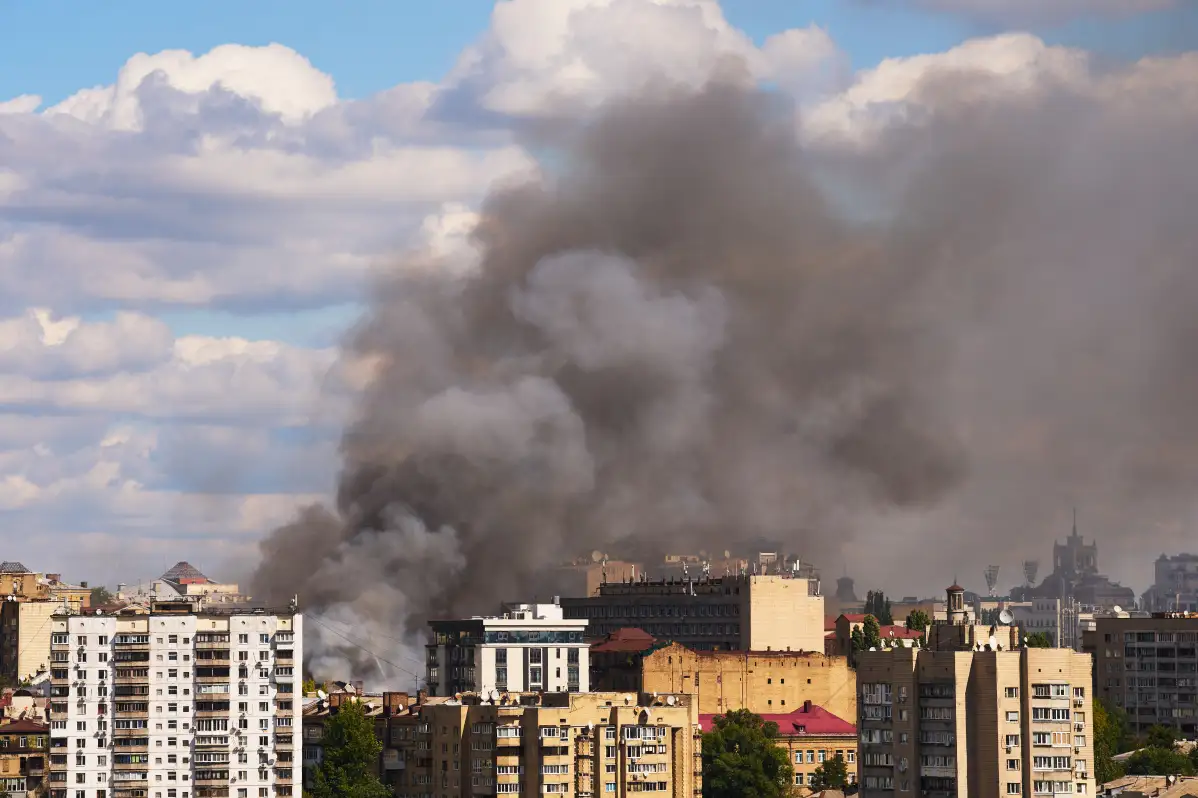
The war between Russia and Ukraine is entering another dangerous phase as Russian aerial attacks kill civilians in Ukraine while both Moscow and Kyiv signal that they are prepared to intensify long-range strikes.
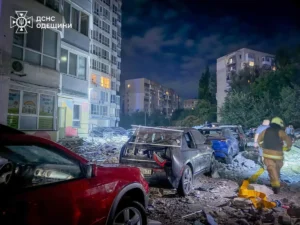
Russian attacks overnight and during the day on Wednesday killed two civilians and wounded six others in the central Ukrainian city of Dnipro, according to local officials cited by the Associated Press. The attacks also damaged civilian infrastructure, including food warehouses.
The latest casualties came as Kyiv endured another wave of Russian drone attacks. Russian drones struck central areas of the Ukrainian capital on Wednesday, injuring 11 people and damaging residential and university buildings, according to Reuters. The attacks marked the seventh consecutive day of strikes against Kyiv and surrounding areas.
The renewed bombardment follows an especially deadly attack on Kyiv and the surrounding region on Tuesday, when Ukrainian authorities said 12 people were killed and many others injured. The assault involved missiles and drones and struck several parts of the capital and surrounding Kyiv region.
The battlefield escalation is being accompanied by increasingly direct warnings from both governments.
Ukrainian President Volodymyr Zelenskyy has warned airlines and passengers that Russian airspace is becoming increasingly dangerous because of Ukraine’s expanding drone campaign against targets inside Russia.
Kyiv has also formally asked the International Civil Aviation Organization (ICAO) to support a global ban on civilian flights operating through Russian airspace, arguing that the growing number of Ukrainian drones poses a risk to commercial aviation.
Moscow has rejected the warning. Russian officials said they would take steps to protect civil aviation, while President Vladimir Putin described Zelenskyy’s comments as “state terrorism,” according to Reuters.
Putin has also warned that Russia could intensify its attacks on Ukraine’s energy infrastructure as winter approaches. He declined to rule out the possibility of Russia striking British military facilities in response to Western support for Ukraine, saying the issue was effectively a military matter.
Ukraine, meanwhile, has increasingly used long-range drones to strike Russian military, energy and oil infrastructure far from the front line.
The campaign has affected Russia’s energy infrastructure and contributed to disruptions in the country’s oil and fuel sector. Reuters reported Wednesday that the maritime threat has also grown in the Black Sea, where commercial ships have increasingly adopted improvised anti-drone protections amid attacks involving both Russian and Ukrainian forces.
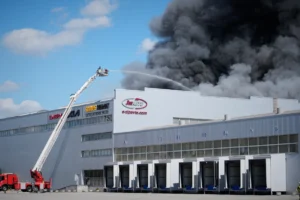
Kyiv maintains that its long-range strikes are aimed at weakening Russia’s ability to wage war rather than deliberately targeting civilians.
Moscow, however, has accused Ukraine of terrorism and repeatedly vowed to retaliate.
For ordinary Ukrainians, the escalating exchange has meant another cycle of air-raid sirens, damaged homes, disrupted transport and civilian deaths.
Reuters reported that Russia’s latest air campaign against Kyiv and the surrounding region has continued almost around the clock, placing further pressure on Ukraine’s air-defence systems and disrupting everyday life in the capital.
The escalation also comes despite continuing international efforts to end the war. Rather than producing a sustained reduction in hostilities, the battlefield has increasingly seen both sides expand the range and sophistication of their attacks.
With Russia threatening heavier strikes on Ukraine’s energy infrastructure and Kyiv warning that its drone campaign inside Russia will continue, fears are growing that the conflict could enter an even more dangerous stage as winter approaches.
For now, the diplomatic path remains uncertain while civilians on both sides continue to bear the consequences of the intensifying war.