
War
Iran Fires on Gulf Neighbours in Retaliation for Renewed US Strikes, Ending Monthlong Lull

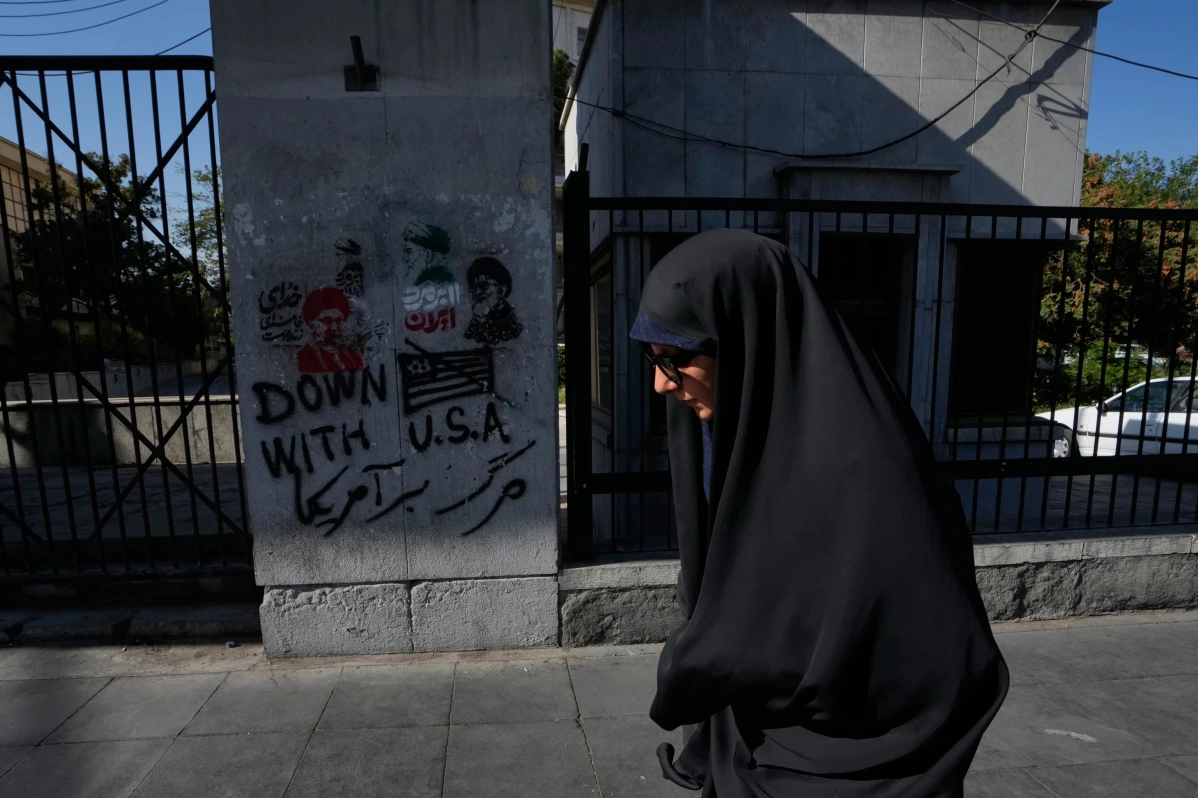
The conflict between the United States and Iran has erupted into its most serious escalation in weeks after Washington carried out fresh strikes on Iranian military targets and Tehran responded with missile and drone attacks against U.S. forces across the Middle East.
The renewed fighting ended a monthlong lull between the two sides and immediately raised fears that the conflict could once again spread across the Gulf. Reuters described Wednesday’s exchange as the largest direct U.S.-Iran exchange of fire since July.
Iranian forces launched attacks against U.S. military positions in Jordan, Bahrain, Kuwait and Iraq, according to reports from Reuters, the Associated Press and other international media. Several of the countries reported intercepting incoming missiles or drones.
The latest escalation began after U.S. forces carried out a new wave of strikes along Iran’s southern coast and around the Strait of Hormuz.
The U.S. military said it targeted Islamic Revolutionary Guard Corps assets, including air-defence systems, radar installations, maritime equipment, mine-laying capabilities and communications facilities. Washington said the operation was aimed at preventing threats to American forces and commercial shipping.
The strikes represented the first major U.S. military action against Iran in roughly a month, ending a period in which Washington and Tehran had largely avoided direct military exchanges.
Iran responded by firing missiles and drones at American military facilities in several countries hosting U.S. forces.
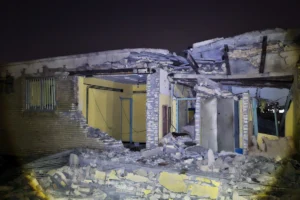
Jordan reported intercepting Iranian missiles, while Bahrain and Kuwait also reported Iranian attacks. Iraq’s Kurdistan region was also affected, with U.S. positions in and around Erbil coming under attack.
Iran has portrayed the attacks as retaliation for U.S. strikes on its territory and has said it was targeting American military interests rather than the governments of the Gulf states themselves.
However, the attacks have placed countries that host U.S. forces directly in the line of fire, despite their governments’ efforts to avoid being drawn deeper into the conflict.
The escalation has been further complicated by reports that a U.S. strike hit a residential area in Kuhestak, in southern Iran, where a wedding gathering was taking place.

Iranian officials said civilians were killed and dozens wounded. Reuters reported that the death toll had reached five, while other reports gave differing figures as authorities continued assessing the casualties.
Iran has condemned the incident as an attack on civilians and accused Washington of committing a war crime. The United States has not said it deliberately targeted a wedding and maintains that its strikes were directed at Iranian military infrastructure.
The competing accounts could make diplomatic efforts to halt the renewed fighting even more difficult.
The Strait of Hormuz remains at the centre of the confrontation.
The strategic waterway is crucial to global energy supplies, and the renewed fighting has already unsettled oil markets and shipping. Reuters reported that Gulf stock markets fell following the latest exchange of attacks, reflecting growing concerns about the economic consequences of a prolonged conflict.
The U.S. military has accused Iran of threatening commercial vessels and attempting to endanger American personnel operating around the strait. Iran, meanwhile, has accused Washington of escalating the conflict and violating its sovereignty.
Any prolonged disruption to shipping through Hormuz could have consequences far beyond the Middle East, potentially affecting oil prices, transportation costs and global markets.
U.S. President Donald Trump has warned that additional Iranian attacks could trigger an even stronger American response.
Iran, for its part, has shown no indication that it intends to absorb further U.S. strikes without retaliation.
The renewed confrontation therefore leaves the region facing a dangerous cycle: American strikes prompting Iranian retaliation, followed by threats of further U.S. military action.
With American forces spread across several Gulf states, the possibility of additional attacks has placed governments from Jordan to Bahrain and Kuwait on heightened alert.
For now, the monthlong lull is over, and fears of a much wider regional war are once again rising.