
General News
Ikiebe Warns of Deepening Ethnic Divisions as Insecurity Spreads Across Nigeria

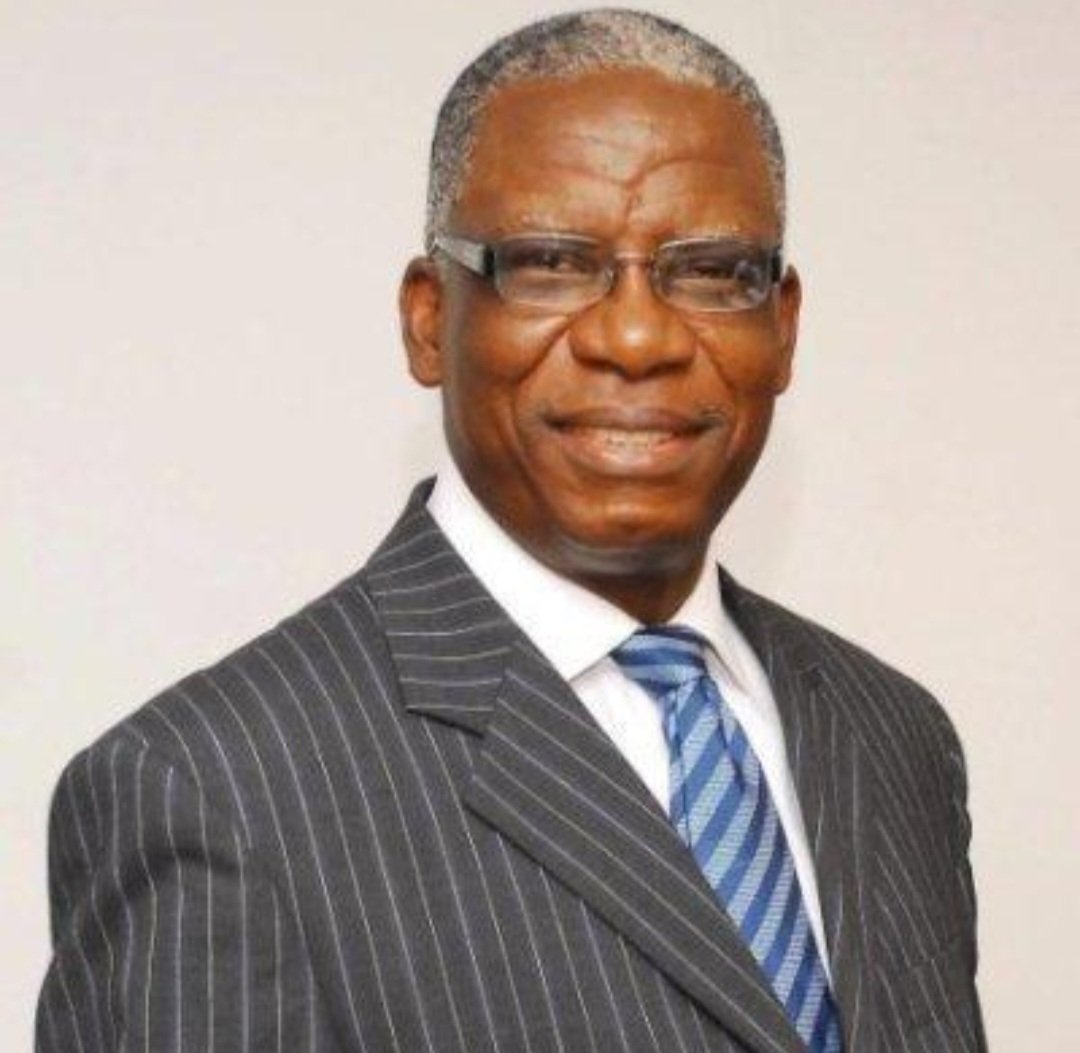
By Dr Richard Ikiebe
Media and management consultant, Dr Richard Ikiebe, has warned that Nigeria risks sliding into interconnected communal and ethnic conflicts as insecurity, historical grievances and political divisions continue to threaten national cohesion.
In an opinion article titled “Nigeria and the Gathering War of ‘All Against All’,” published on November 18, 2026, Ikiebe argued that the country’s growing security challenges extend beyond banditry, terrorism, kidnapping and communal clashes, pointing to deeper divisions over identity, political power and citizenship.
He warned that Nigeria could face multiple interconnected conflicts if ethnic hostility, collective blame and unresolved grievances are allowed to escalate.
Drawing attention to developments across the country’s geopolitical zones, Ikiebe examined how different communities are increasingly becoming entangled in disputes involving security, political representation, historical resentment and questions of belonging.
In the North-West, he highlighted tensions between predominantly Fulani armed groups and largely Hausa vigilantes, arguing that reprisals and collective punishment risk turning criminal violence into wider ethnic hostility.
He cautioned that neither armed groups nor vigilante organisations should be treated as representatives of entire ethnic communities, stressing that innocent people should not be made responsible for crimes committed by individuals sharing their identity.
In the North-East, Ikiebe examined the Boko Haram insurgency and its relationship with Kanuri identity, warning against the perception that the activities of the extremist group represent the interests or ambitions of the wider Kanuri population.
He also questioned the durability of political and cultural alliances in the region, particularly where historical differences and competing ambitions remain unresolved.
The article further raised concerns about growing Yoruba-Igbo antagonism in the South-West, particularly as political disagreements and ethnic accusations increasingly find expression on social media.

Ikiebe warned that repeated public hostility could normalise discrimination against people based on their ethnic background, making it easier for tensions to develop into physical attacks.
In the South-East, he linked separatist mobilisation to longstanding perceptions of exclusion and unresolved questions surrounding equal citizenship, while also acknowledging that violence associated with separatist enforcement has contributed to insecurity in the region.
He warned that hostility towards separatist movements could also spill over into discrimination against ordinary Igbo residents, traders and voters who have no involvement in such activities.
Across the Middle Belt and South-South, Ikiebe identified disputes involving land, natural resources, traditional authority and political representation as additional sources of tension.
He particularly questioned the indigene-settler distinction, arguing that Nigerians who have lived and contributed to communities for generations should not remain treated as permanent outsiders because of their ancestry.
According to him, the different conflicts may have distinct origins, but their consequences can reinforce one another when violence in one location becomes justification for hostility against people elsewhere.
His warning comes amid continuing security challenges across the country.
The Centre for Democracy and Development’s October 2026 Nigeria Election Security Tracker documented attacks on people, armed clashes, kidnappings and communal violence across different parts of the country.
Similarly, the Global Centre for the Responsibility to Protect, in its November 16 assessment, warned that escalating attacks by armed bandit groups, Boko Haram and the Islamic State West Africa Province continue to expose civilians to serious risks.
Fresh violence in Niger State has also highlighted the dangers of retaliatory attacks. Reuters reported on November 23 that Fulani representatives said 64 people were killed in attacks on communities around Wawa and Gada-Oli in Borgu Local Government Area over the weekend. The reported attacks were described as reprisals, although the perpetrators and death toll had not been independently verified.
The development has heightened concerns about collective punishment, with community representatives warning against blaming an entire ethnic group for the actions of suspected perpetrators.
Against this background, Ikiebe argued that Nigeria must confront its underlying divisions through an honest examination of historical grievances, armed groups, political interests and the factors sustaining violence.
He maintained that distributing political offices among different groups would not, on its own, resolve the country’s problems, insisting that genuine national unity requires equal citizenship and acceptance of every Nigerian’s right to enjoy the country’s opportunities without discrimination.
The article called for a more serious national conversation about belonging, justice and accountability, warning that Nigeria should not wait for formally declared ethnic conflicts before recognising the danger of its increasingly fragmented security situation.
Dr Richard Ikiebe is a media and management consultant, teacher and Chairman of the Board of BusinessDay Newspaper.