General News
Bwala, Shaibu, Moghalu Trade Words After Controversial Al Jazeera Interview

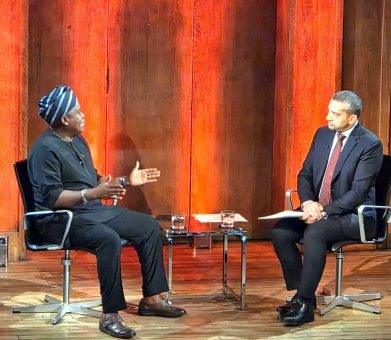
A heated debate has erupted in Nigeria’s political space following a controversial television interview involving presidential media aide Daniel Bwala on the global programme Head to Head hosted by Mehdi Hasan on Al Jazeera.
The interview has triggered a wave of reactions from political actors and commentators, with supporters praising Bwala’s willingness to defend the administration of President Bola Ahmed Tinubu, while critics argue that the exchange exposed contradictions in his political record.
Bwala Defends His Performance
In a press statement issued on March 7, Bwala, Special Adviser to the President on Media and Policy Communication, defended his appearance on the programme, saying he remains committed to promoting and defending the administration’s policies.
According to him, appearing before critical interviewers is part of his responsibility as a spokesperson.
Bwala said he accepted the interview, knowing it would focus on issues such as security, the economy, and corruption, but alleged that the host unexpectedly shifted the discussion to his past political statements.
He argued that the programme adopted what he described as “opposition research-style journalism” and claimed that some quotes attributed to organizations during the interview were inaccurate.
The presidential aide also addressed criticism regarding past remarks he made against President Tinubu before joining the administration.
He described the comments as part of political contestation at the time, noting that political realignments are common worldwide.
Bwala added that he remains open to future interviews and expressed respect for Hasan, whom he described as “arguably the best debater on the planet.”
Atiku Aide Fires Back
However, the statement quickly drew a sharp response from Phrank Shaibu, Senior Special Assistant on Public Communication, to former Vice President Atiku Abubakar.
In a separate press release titled “Weep Not for Bwala, Weep for Nigeria,” Shaibu dismissed Bwala’s defence of the interview, describing the exchange as embarrassing.
He accused Bwala of political opportunism and argued that the interview highlighted contradictions between the presidential aide’s past criticisms of the Tinubu administration and his current role defending it.
Shaibu also alleged that Bwala struggled to respond to questions during the programme and relied on dismissing criticisms as fake news rather than providing evidence.
The opposition spokesperson further argued that the episode reflected broader governance issues in Nigeria, accusing the administration of failing to adequately address insecurity and other national challenges.
Moghalu Calls Interview ‘Disastrous’
Former Deputy Governor of the Central Bank of Nigeria, Kingsley Moghalu, also weighed in on the controversy.
Writing on X (formerly Twitter), Moghalu described the interview as a “disaster of gargantuan proportions” for Nigeria’s image internationally.
According to him, the global audience present during the programme may have formed negative impressions about the country’s political leadership and governance standards.
Moghalu also criticised what he described as a political culture driven by opportunism rather than ideology or policy, questioning the decision to appoint former critics of the government as official spokespersons.
He suggested that the focus of the discussion shifted from the administration’s policies to Bwala’s past criticisms of the same government he now represents.
Broader Political Debate
The controversy; dubbed “Bwalagate” by commentators, has sparked wider discussions on Nigeria’s political communication, credibility of government spokespersons, and the impact of international media appearances on the country’s reputation.
Supporters of the administration argue that Bwala demonstrated willingness to engage critics on a global stage, while opponents maintain that the interview highlighted weaknesses in the government’s messaging.
As reactions continue across political circles and social media, analysts say the episode underscores the intense scrutiny facing government representatives when defending policy positions before international audiences.
Whether the debate will have lasting political consequences remains uncertain, but the exchange has already become one of the most talked-about media moments in Nigeria’s political discourse this year.