
International
EU faces fiscal showdown as Merz calls current budget outdated

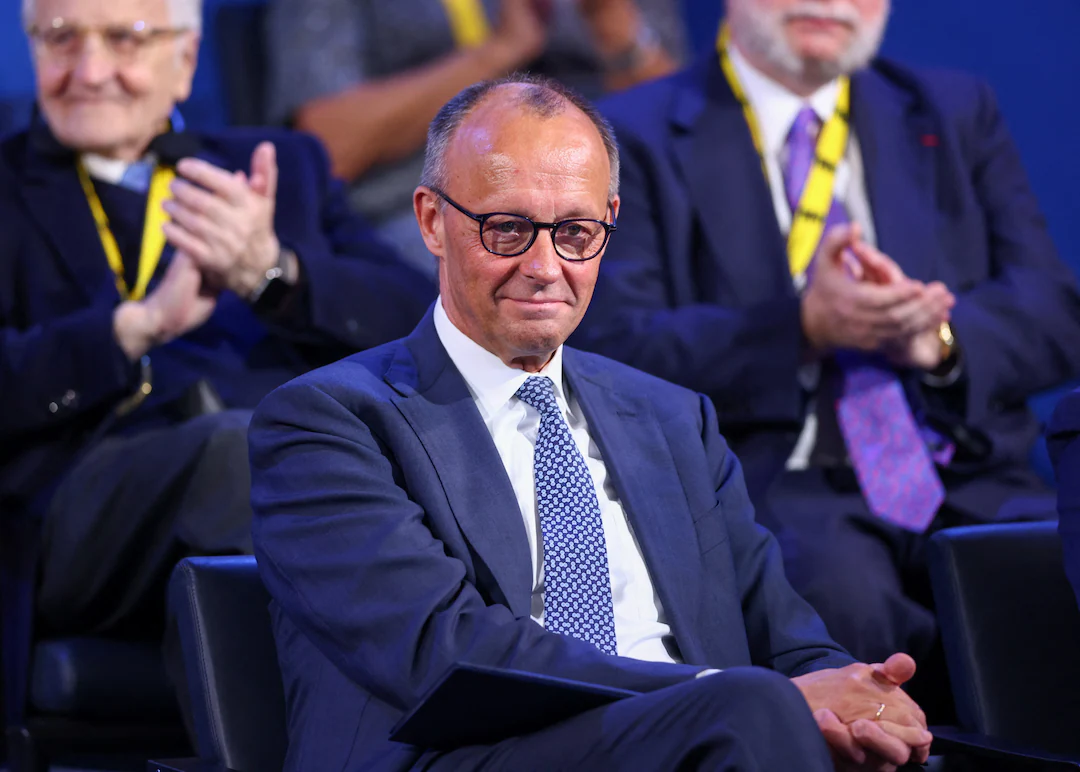
German Chancellor Friedrich Merz has called for a sweeping overhaul of the European Union’s long-term budget, warning that the bloc’s current financial structure is outdated and unfit to meet rising geopolitical and economic challenges.
Speaking at a high-profile ceremony in Aachen, Merz argued that the EU must shift its budget priorities toward defence, competitiveness, and strategic autonomy, as negotiations begin to intensify over the EU’s next seven-year spending framework covering 2028–2034.
He said the current system remains heavily weighted toward traditional spending areas such as agricultural subsidies and regional development, which he suggested no longer reflect Europe’s urgent needs in a more unstable global environment.
Merz also warned against proposals for new EU-level borrowing or additional shared debt instruments, insisting that Germany would not support expanding collective debt burdens. His position sets up a likely clash with countries including France, which has advocated for greater fiscal flexibility and potential joint borrowing to finance defence and industrial investment.
The remarks highlight growing divisions within the EU over how to fund its future priorities, with the European Commission and member states already at odds over the scale and structure of the next budget.
The European Parliament has pushed for a larger overall budget, while several member states are resisting increases in contributions, setting the stage for what analysts describe as a major political showdown over Europe’s fiscal direction.
Merz framed the debate as a question of survival for the EU’s global relevance, arguing that Europe cannot face modern challenges with outdated financial tools.