
World News
Europe Turns to Renewables as Iran War Sends Electricity Prices Soaring

The conflict, which has disrupted global oil and gas flows, has triggered sharp increases in electricity costs across much of Europe, particularly in countries heavily reliant on fossil fuels. Wholesale power prices have surged by more than 20% in countries like Italy and around 15% in Germany, reflecting their dependence on imported gas.


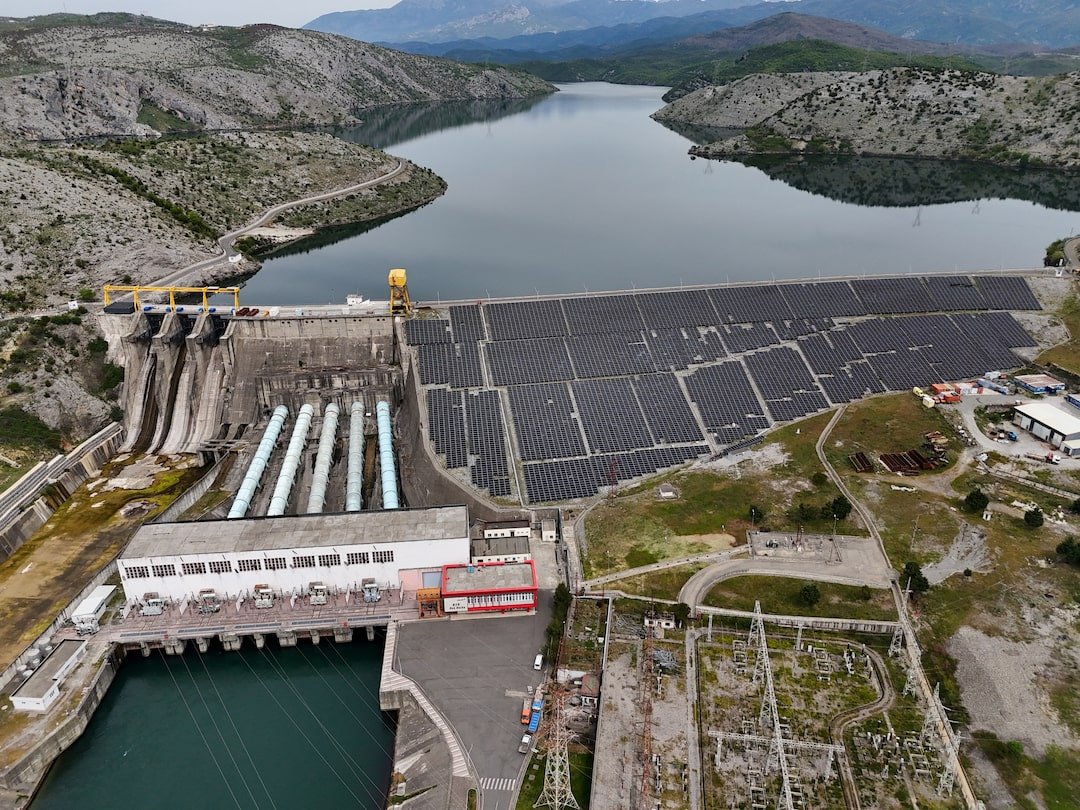
In contrast, nations with stronger renewable or nuclear energy capacity have shown greater resilience. Spain has even recorded a drop in electricity prices, while Albania; where hydropower accounts for over 90% of electricity generation, has largely shielded consumers from the worst of the crisis.
The energy shock stems from disruptions linked to the Iran conflict, including constrained oil shipments and instability in key supply routes such as the Strait of Hormuz, through which a significant share of global energy passes. The resulting supply crunch has driven oil prices higher and intensified pressure on gas-dependent economies.
As a result, renewable energy is rapidly gaining appeal across the continent. Demand for rooftop solar systems has surged as households seek to cut energy bills and reduce exposure to volatile fossil fuel markets.
Analysts say the crisis is reinforcing lessons from previous energy shocks, showing that countries investing in renewables are better positioned to withstand global supply disruptions. The European Union is already considering measures such as electricity tax cuts and coordinated energy policies to cushion consumers from rising costs.
However, the transition is not without complications. Some countries, including Greece, have delayed coal plant closures to maintain energy security, highlighting the tension between short-term stability and long-term climate goals.
Experts warn that while the current crisis may accelerate Europe’s shift toward clean energy, households and businesses are still likely to face higher bills in the near term as the effects of rising wholesale prices gradually filter through to consumers.