Security
Former Air Force Spokesperson Blames Budget Structure, Not Funding, for Nigeria’s Defence Failures

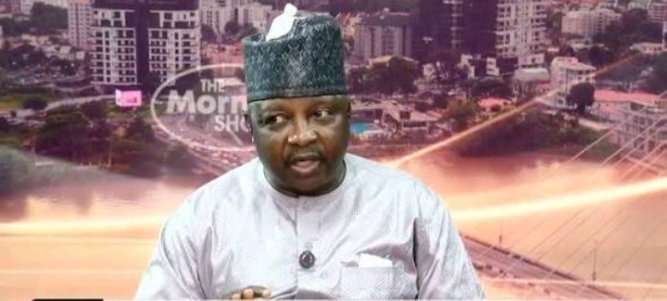
A former Nigerian Air Force spokesperson, Sadeeq Shehu, has identified a fundamental flaw in Nigeria’s multi-trillion naira defence budget, arguing that poor planning and governance rather than inadequate funding are undermining the country’s security operations.
Shehu, a retired group captain, made the assessment during an interview on ARISE News on Thursday while examining federal government security interventions and defence allocations between 2023 and 2026.
He said Nigeria was spending a reasonable proportion of its resources on defence but was failing to translate the expenditure into commensurate operational capacity.
“If you ask me, proportionate to what Nigeria is earning from its foreign trade and everything from petrol, I think we are spending right as far as amount is concerned. The problem is the plan and where do we put the money. The problem is also a governance issue,” he said.
Shehu identified the composition of the 2026 defence budget as evidence of the problem. According to him, the ₦3.154 trillion defence allocation provides ₦2.4 trillion, representing 75.9 per cent, for personnel costs, while overhead expenditure accounts for 9.4 per cent, or about ₦297 billion. Capital expenditure, which covers equipment, maintenance and procurement, receives only 14.7 per cent, amounting to approximately ₦464 billion.
He questioned how the military could adequately provide equipment, maintain existing platforms, train personnel and modernise its operations when such a substantial proportion of its budget was absorbed by personnel costs.
“This is where the major problem is. And I do not see either the executive branch or even the legislature attacking this,” he said.
The former air force spokesperson argued that Nigeria’s defence budget needed a more detailed classification to reveal how much was being committed to specific military requirements.
He said the existing practice of grouping expenditure under personnel, overhead and capital costs obscured the actual funding available for equipment procurement, maintenance, training, military infrastructure and research.
“What global best practice has shown us is that the only thing that comes out from this budget is personnel cost. You will wonder, where is equipment? Where is maintenance? Where is training? A paltry less than 25 per cent is allocated to the two of them. This is not good enough,” he said.
Shehu also questioned the capacity of the presidency and the National Assembly to effectively scrutinise defence expenditure, arguing that the existing budget structure did not provide sufficient details for informed oversight.
“If you just leave it into these three, you know, three subheads, personnel, capital and overhead, you will never get the proper picture. And I can assure you from my research, the National Assembly and even the presidency, they do not have really a clear picture of what the defence budget is all about,” he said.
He warned that without proper planning, Nigeria could continue spending substantial amounts on defence without adequately addressing the military’s most pressing operational needs. “If you don’t plan your defence budget properly, you are likely to leave things that are essential and put money where they are not essential. That is the point I want to make,” he said.
His assessment comes amid sustained security challenges across the country, including insurgency, banditry and other forms of violent crime, despite substantial government allocations to the defence and security sectors.