
Analysis
Freedom Day: Ramaphosa Warns Against Xenophobia as South Africa Balances Migration Fears with Pan-African Solidarity

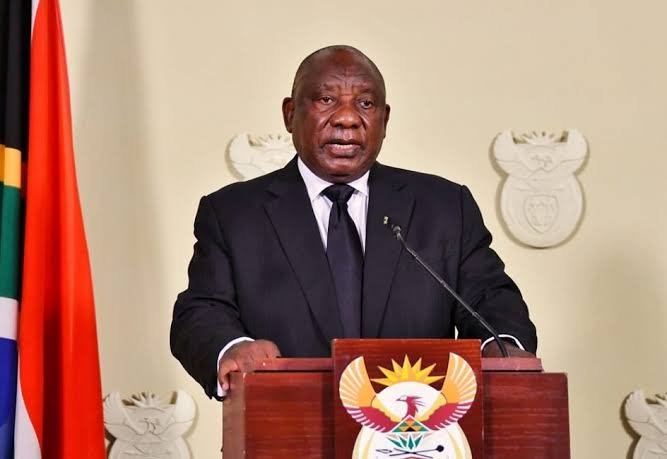
South African President Cyril Ramaphosa has cautioned citizens and policymakers against allowing concerns over illegal migration to degenerate into xenophobia, as the country marked its 2026 Freedom Day with renewed debate on identity, borders, and economic pressure.


Speaking at the national celebration in Bloemfontein on April 27, Ramaphosa acknowledged growing public frustration over irregular migration, but stressed that such concerns must be addressed through law enforcement and policy not prejudice or hostility toward other Africans.
“We should never allow the legitimate concerns of our communities about illegal migration to breed prejudice towards our fellow Africans,” he said, in a remark that framed migration as both a governance challenge and a moral test for post-apartheid South Africa.
Ramaphosa’s message comes at a time when South Africa continues to grapple with rising public anxiety over unemployment, strained public services, and informal economic competition issues often linked in public discourse to undocumented migration.
However, the president drew a clear distinction between legitimate governance concerns and xenophobic behaviour, warning that collective blame risks undermining South Africa’s constitutional values and its historical ties to the continent.
He reminded citizens that many African countries hosted South African liberation movements during apartheid, arguing that this history places a moral responsibility on South Africans to avoid hostility toward fellow Africans seeking opportunities within its borders.
While condemning xenophobia, Ramaphosa also reiterated government action against illegal immigration, including tighter border controls, enforcement against corrupt immigration practices, and penalties for employers who hire undocumented workers.
This dual message reflects a persistent policy tension: the state’s need to enforce immigration law while managing the social realities of a highly unequal economy where competition for jobs and services is intense.
Analysts note that South Africa’s migration debate is increasingly shaped by economic frustration rather than purely identity-based hostility, making it more volatile and politically sensitive.
Freedom Day, which commemorates South Africa’s first democratic elections in 1994, is traditionally used to reflect on constitutional values such as equality, dignity, and non-racialism. This year’s message placed particular emphasis on pan-African solidarity, even as domestic pressures continue to test those ideals.
Ramaphosa’s remarks highlight a broader governance challenge: maintaining constitutional commitments to human rights while addressing public demands for stricter immigration control.
South Africa’s migration discourse mirrors wider tensions across Africa, where rapid urbanisation, unemployment, and porous borders are reshaping intra-African mobility. The African Union’s push for freer movement of people contrasts with rising domestic pressures in several countries to tighten controls.
Ramaphosa’s intervention positions South Africa within this broader debate—attempting to uphold a balance between continental integration and domestic stability.
The Freedom Day address underscores that migration will remain a politically charged issue in South Africa ahead of future elections and policy reforms. The challenge for government, as reflected in Ramaphosa’s remarks, is not only enforcement but also preventing social divisions from hardening into entrenched xenophobic sentiment.