Analysis
M’East crisis: Gulf states bear brunt as Iran targets U.S. military bases

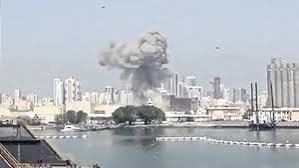
Countries hosting United States military bases in the Gulf region are increasingly facing the consequences of the escalating conflict between Iran and the United States, as missile and drone attacks spill into their territories.
Recent retaliatory strikes by Iran have targeted U.S. installations across the Middle East, including locations in the United Arab Emirates, Qatar, Bahrain, Kuwait and Saudi Arabia. These nations, though not direct participants in the conflict, have found themselves absorbing its impact due to their strategic hosting of American bases.
The crisis intensified following a February 28 offensive reportedly carried out by the United States in partnership with Israel against Iran, amid tensions over Tehran’s nuclear and missile programmes. In response, Iran launched widespread attacks on U.S. military assets and allied locations across the region.
In the UAE, air defence systems have intercepted hundreds of ballistic and cruise missiles, along with over a thousand drones since the conflict began. However, some strikes penetrated defences, hitting key locations in Dubai and causing casualties, infrastructure damage, and flight disruptions.
Similarly, Saudi Arabia has reported repeated drone and missile attacks targeting regions including Riyadh and the Eastern Province, with most threats intercepted.
Qatar also recorded multiple attacks, including a major strike on the Ras Laffan gas facility operated by QatarEnergy, which caused significant damage and triggered emergency response efforts.
Other Gulf states, including Bahrain, Kuwait, and Oman, have also intercepted numerous projectiles aimed at critical infrastructure such as airbases and airports.
Security experts say the attacks highlight the strategic risks associated with hosting foreign military bases. While such bases offer defence cooperation, training, and deterrence, they also make host nations potential targets during conflicts.
Professor Joshua Bolarinwa of the Nigerian Institute of International Affairs noted that powerful nations like the United States maintain overseas bases to project influence and strengthen alliances, with dozens located across the Middle East.
However, analysts warn that the presence of these installations creates a trade-off between enhanced security cooperation and increased exposure to geopolitical conflicts.
As tensions persist, Gulf states continue to maintain a delicate balance benefiting from military partnerships while managing the growing risks of being drawn deeper into a widening regional conflict.