
Agriculture
Global Food Crisis Looms as Iran Conflict Disrupts Fertiliser Trade

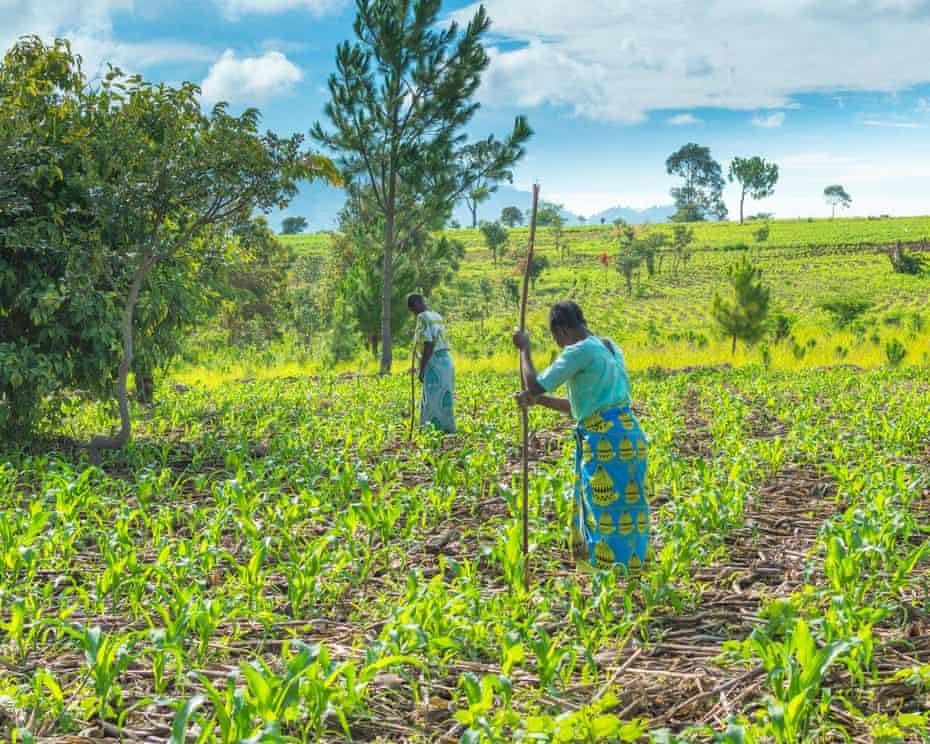
Global food security is under serious threat as the ongoing conflict involving Iran disrupts fertiliser supplies, with experts warning that up to 10 billion meals per week could be lost worldwide.

Svein Tore Holsether, CEO of Yara International; one of the world’s largest fertiliser producers, said the war has significantly impacted the availability of key agricultural inputs. According to him, reduced fertiliser supply could sharply cut crop yields, particularly in developing countries that depend heavily on imports.
The crisis is largely driven by disruptions in the Strait of Hormuz, a critical global shipping route through which a substantial portion of fertilisers and their raw materials pass. Blockages and insecurity in the region have slowed trade, limited production, and driven prices sharply higher.
Holsether warned that the shortage could trigger a global bidding war for food, where wealthier nations outcompete poorer countries, worsening hunger and inequality. “The most vulnerable will pay the highest price,” he said, noting that fertiliser shortages could reduce crop yields by up to 50% in some cases.
Recent data shows fertiliser prices have surged dramatically since the conflict escalated, with some key inputs rising by more than 50%. This has already begun to push up global food prices, adding pressure to households and farmers alike.
Experts say Africa and other developing regions face the greatest risk due to their reliance on imported fertilisers and limited financial capacity to absorb rising costs. Without urgent intervention, millions more people could be pushed into hunger in 2026.
Industry leaders are now calling on governments to act quickly to stabilise supply chains and prevent a full-scale global food crisis.