Agriculture
NIGERIA AND THE DOWNSTREAM EFFECTS OF WEAK AGRICULTURAL SYSTEMS


Food security is the missing link between infrastructure and the country’s development blueprint. In Nigeria, the time for marginal efforts in agricultural production is over, Nigeria government must back food security with serious investment, measurable targets and willingness to embrace local ideas and external innovations. If not, the largest black country in the world will grow up unprepared for the world they are meant to shape.
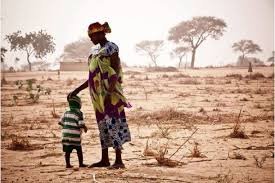
Africa is standing at a demographic and food security cross roads. This is because over the next 25 years, the continent population will swell past 2.5 billion with more than 40% under the age of 15. In countries such as Nigeria, the youth bulge is often cited as opportunity for innovation, growth and global relevance, but numbers dont feed themselves.



Unless there are urgent investments in agricultural sector, this demographic divide will become a debt. Although agricultural poverty and the attending food crisis is not isolated to Nigeria but it undercuts progress in every sector of the country. These shortages are not due to lack of farming population but the downstream effects of weak agricultural systems that have failed to modernise and equip the next generation with the tools to farm.

Since independence in Nigeria, government has poured billions into agricultural farms in order to achieve food security but the right combination of effectiveness, affordability and scale have proven stubbornly out of reach; a reminder that good intentions alone dont feed a country. The root of the problem run deeper, the country need to embark on some green shots that must begin to emerge.
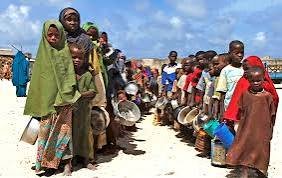
Beyond that declaration of emergency on food security, government efforts need to have the potential to ripple outward restrictions, boost farmers motivation, commitment, innovation and equip farmers with practical tools.
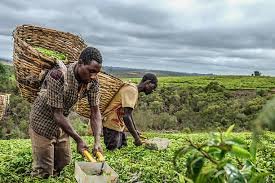
Additionally, local government need to integrate the emergency approaches to food production. Although the local experiment may not be the silver bullet but will signal a shift, a recognition that the food foundation is being rebuilt before we can speak of food sufficiency and agricultural transformation.

The country need to act with intent because feeding more than 250 million people may not grab headlines like new bridges or airports but It’s absence could be a recipe and panacea for crisis in health, governance and social security including employment.
This is because food security is not just about feeding the citizens, it is about security development and good governance. It represents government national obligations to citizens. That is why food security has to be taken seriously with strong cooperation among federal, state and local governments.

AVM (RTD) AKUGBE IYAMU
CONSULTANT ON CLIMATE CHANGE AND ENVIRONMENTAL POLICY ANALYST.
PRESIDENT ASSOCIATION OF ENVIRONMENTAL PROTECTION AND CLIMATE CHANGE PRACTITIONERS
You can also follow me on Twitter X @iyamuclimatechange1, Instagram iyamuclimatechange. You can send your views to 07057447442